Category: Persian Cuisine

  • رژیم مایند و شباهت آن با آشپزی ایرانی

    رژیم غذایی MIND (مایند) یک الگوی تغذیه‌ای است که هدف اصلی آن حفظ سلامت مغز و پیشگیری از بیماری‌هایی مانند آلزایمر است؛ این رژیم بر پایه مصرف مواد غذایی سالمی استوار شده که می‌تواند در تقویت حافظه و جلوگیری از اختلالات شناختی نقش موثری داشته باشد. اما ما معتقدیم این رژیم شباهت های بسیاری با آشپزی ایرانی دارد که در این مقاله از آب هویج پس از تعریف کامل رژیم مایند، به بررسی این شباهت ها میپردازیم. 

    علم تغذیه، امروز به‌خوبی توضیح داده که رژیم‌های غذایی غنی از مواد مغری فلاونوئیددار چطور می‌توانند روی کارکرد مغز ما تأثیر بگذارند. یکی از رژیم‌های جذاب و امروزی در دنیا، رژیم غذایی MIND است؛ رژیمی که برای سلامت مغز طراحی شده و جالب این‌که بی‌شباهت به سبک غذایی اصیل ایرانی نیست! در این مطلب، هم این رژیم را دقیق توضیح می‌دهیم و هم شباهت‌های جالبش با آشپزی ایرانی را بررسی می‌کنیم.

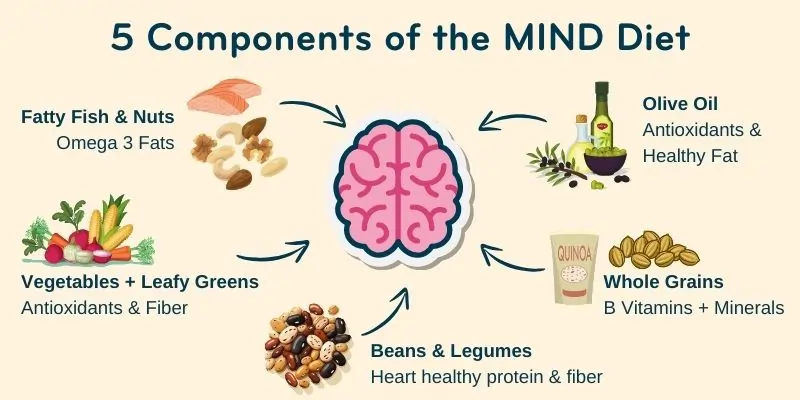
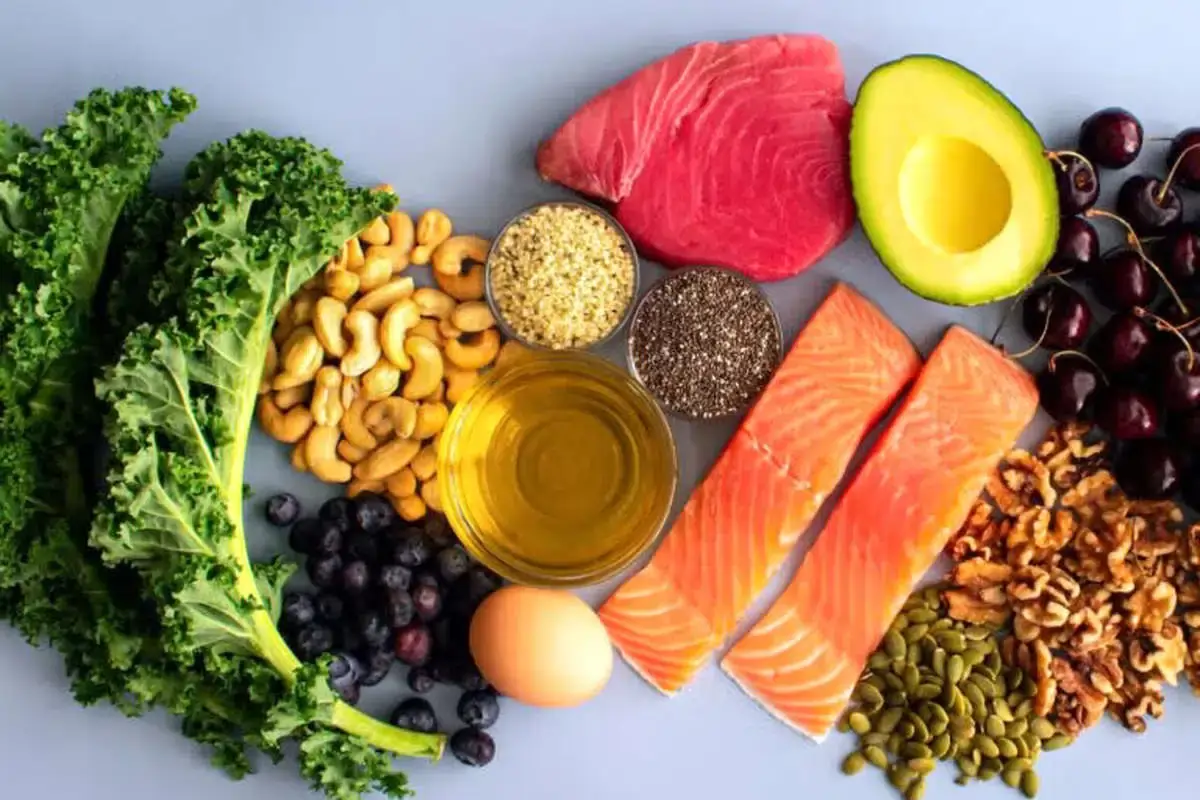
    MIND-Diet infographic

    رژیم غذایی MIND (Mediterranean-DASH Intervention for Neurodegenerative Delay) یک الگوی تغذیه‌ای علمی و مؤثر است که برای تقویت سلامت مغز و کاهش خطر ابتلا به بیماری‌های عصبی مانند آلزایمر طراحی شده است. این رژیم با ترکیب عناصر کلیدی دو رژیم معروف مدیترانه‌ای و DASH (رویکرد غذایی برای توقف فشار خون بالا)، بر مصرف گروهی از مواد غذایی که برای عملکرد شناختی مفید هستند، تاکید دارد.


    رژیم MIND (ترکیب Mediterranean-DASH Intervention for Neurodegenerative Delay) از ادغام دو رژیم مدیترانه‌ای و DASH به وجود آمده و تمرکزش بر پیشگیری و کاهش پیشرفت بیماری‌های مغزی، مخصوصاً آلزایمر است. ابتدا اجازه دهید هر کدام از این رژیم ها را به طور جدا بررسی کنیم: رژیم غذایی مدیترانه‌ای چیست؟

    رژیم غذایی مدیترانه‌ای (Mediterranean Diet) یک الگوی غذایی سالم است که برگرفته از عادات غذایی کشورهای حاشیه دریای مدیترانه مانند یونان، ایتالیا و جنوب فرانسه است؛ این رژیم به عنوان یکی از سالم‌ترین و موثرترین روش‌ها برای پیشگیری از بیماری‌های قلبی و همچنین حفظ سلامت مغز و بدن شناخته می‌شود.

    رژیم غذایی DASH (Dietary Approaches to Stop Hypertension) مخفف عبارت «رویکردهای تغذیه‌ای برای توقف فشار خون بالا» است. این رژیم توسط متخصصان برای کمک به کنترل و کاهش فشار خون بالا و ارتقای سلامت عمومی بدن طراحی شده و از سوی انجمن قلب آمریکا و سازمان‌های معتبر جهانی به شدت توصیه می‌شود.

    فواید رژیم غذایی MIND

    فواید رژیم مایند

    1. کاهش خطر ابتلا به آلزایمر

      • مطالعات نشان داده‌اند که این رژیم می‌تواند سرعت پیشرفت آلزایمر و زوال شناختی را کاهش دهد.
    2. تقویت حافظه و تمرکز

      • مصرف مداوم مواد مغذی در این رژیم روی عملکرد بهتر حافظه، یادگیری و توجه تاثیر مثبت دارد.
    3. کاهش التهاب و محافظت از سلول‌های مغز

      • غذاهای رژیم مایند سرشار از آنتی‌اکسیدان‌ و فلاونوئید‌ هستند که به کاهش التهابات مغزی و محافظت سلول‌های عصبی کمک می‌کنند.
    4. پیشگیری از سکته و بیماری‌های قلبی

      • به دلیل مصرف بالای مواد گیاهی، روغن‌های سالم و آجیل، این رژیم به سلامت قلب و عروق هم کمک می‌کند.
    5. حفظ وزن سالم

      • رعایت رژیم مایند به دلیل مصرف بیشتر مواد فیبردار و کمتر شدن غذای فرآوری‌شده، می‌تواند به کنترل وزن کمک کند.
    6. کاهش ریسک دیابت نوع ۲

      • مواد اولیه این رژیم، باعث کنترل قند خون و پیشگیری از دیابت می‌شوند.
    7. افزایش کیفیت زندگی در سنین بالا

      • این رژیم به سلامت کلی بدن و فعال ماندن ذهنی در سالمندی کمک شایانی می‌کند.

    رژیم غذایی MIND (مایند) چه اجزایی دارد؟
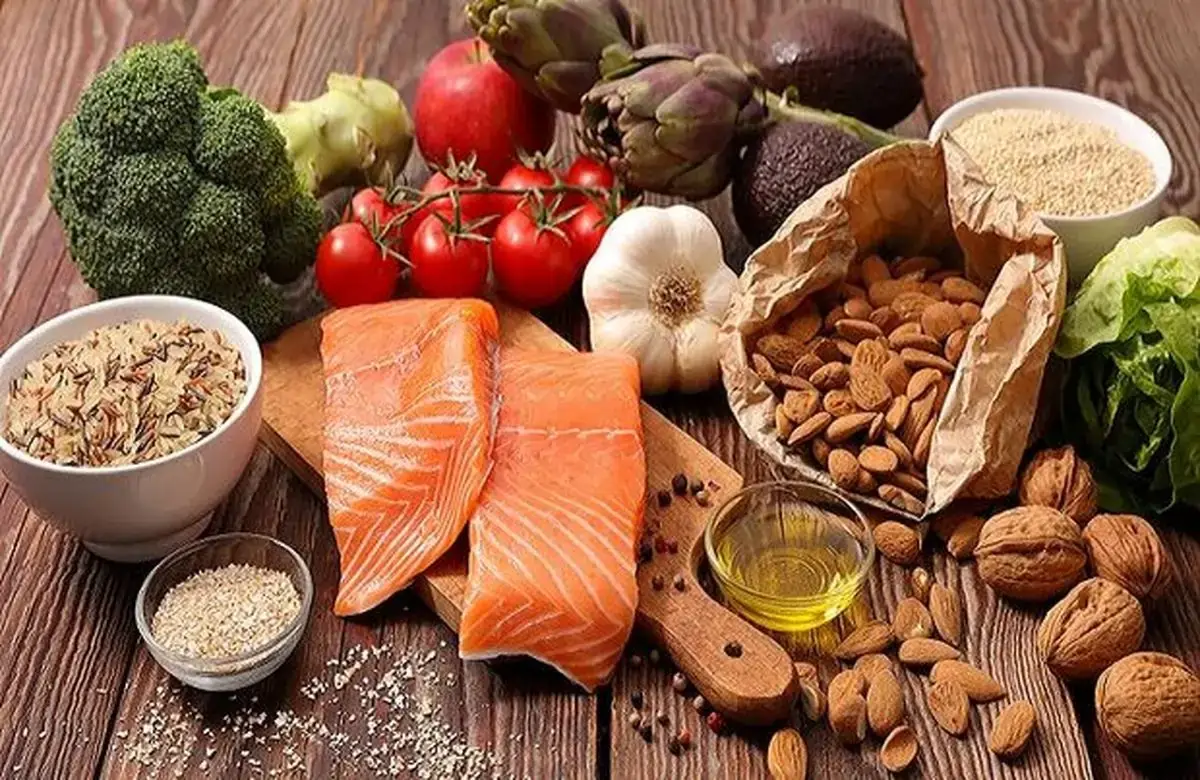
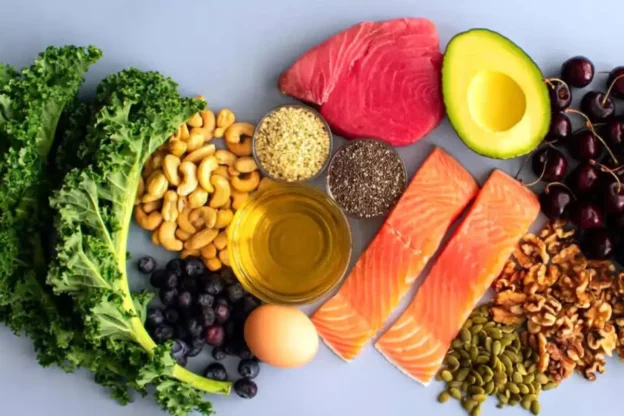
    اجزای رژیم مایند

    اجزای اصلی رژیم غذایی MIND شامل موارد زیر است:

    • سبزیجات سبز برگ (مثل اسفناج و کلم)
    • سبزیجات دیگر (مثل هویج، گوجه و کدو)
    • آجیل (گردو، بادام)
    • توت‌ها (توت فرنگی، بلوبری)
    • لوبیا و حبوبات (عدس، نخود، لوبیا چیتی)
    • غلات کامل (نان سنگک، برنج قهوه‌ای)
    • ماهی (یا سایر غذاهای دریایی)
    • مرغ (یا بوقلمون)
    • روغن زیتون و سایر چربی‌های سالم
    • مقدار کم گوشت قرمز و لبنیات پرچرب

    در این رژیم، پرهیز از مصرف زیاد کره، پنیر پرچرب، شیرینی، غذاهای سرخ‌کرده و فرآوری‌شده توصیه می‌شود تا سلامت مغز بیشتر حفظ گردد.

    5 ماده غذایی که در رژیم MIND باید از آنها اجتناب کرد:

    البته! در رژیم غذایی MIND برای حفظ سلامت مغز توصیه می‌شود مصرف بعضی مواد غذایی را تا حد امکان کاهش دهید. ۵ ماده غذایی که باید از آن‌ها اجتناب کنید یا مصرفشان را خیلی محدود نگه‌دارید عبارت‌اند از:

    کره و مارگارین

    مصرف کره و مارگارین به دلیل داشتن چربی‌های اشباع و چربی‌های ترانس، باید کاملاً محدود شود (کمتر از یک قاشق غذاخوری در روز).

    پنیر پرچرب

    پنیرهای پرچرب، مثل پنیر پیتزا یا پنیر‌های سفت (گودا، چدار، پارمزان)، به دلیل مقدار بالای چربی اشباع و نمک زیاد باید تا حد ممکن حذف یا خیلی محدود شوند.

    گوشت قرمز

    انواع گوشت قرمز (گوساله، گوسفند، سوسیس و کالباس) باید در رژیم MIND بسیار کم مصرف شود (کمتر از چهار وعده در هفته).

    غذاهای سرخ‌شده و فست‌فود

    غذاهایی مثل سیب‌زمینی سرخ‌شده، مرغ سوخاری، چیپس و فست‌فودها به دلیل مقدار زیاد چربی ناسالم و کالری بالا، جز مواد ممنوعه این رژیم هستند.

    شیرینی‌جات و دسرهای صنعتی

    شیرینی، کیک، بیسکوییت‌های صنعتی، شکلات و آب‌نبات باید به کمتر از پنج بار در هفته محدود شود؛ زیرا مصرف زیاد قند و مواد افزودنی به سلامت مغز آسیب می‌رساند.

    شباهت‌های رژیم MIND با رژیم غذایی ایرانی

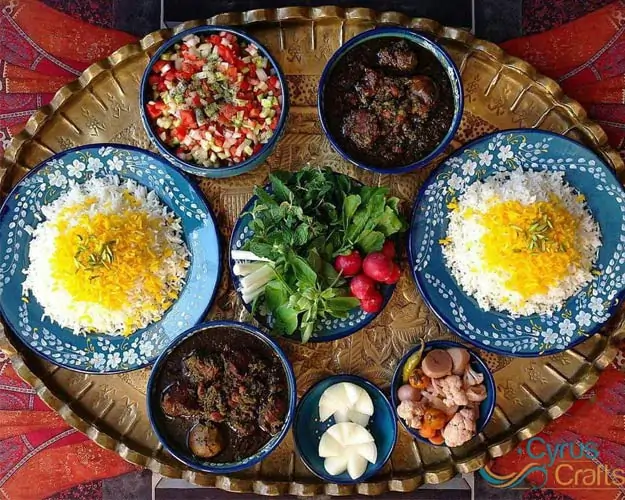
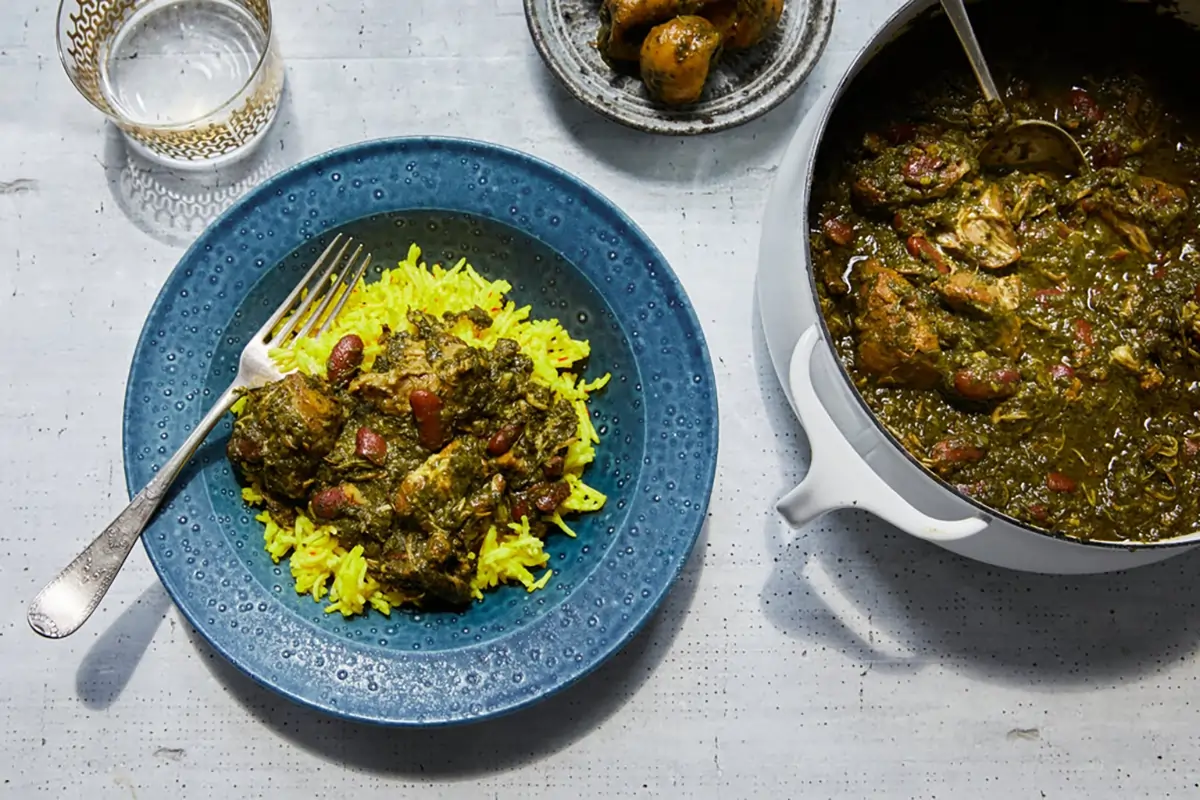
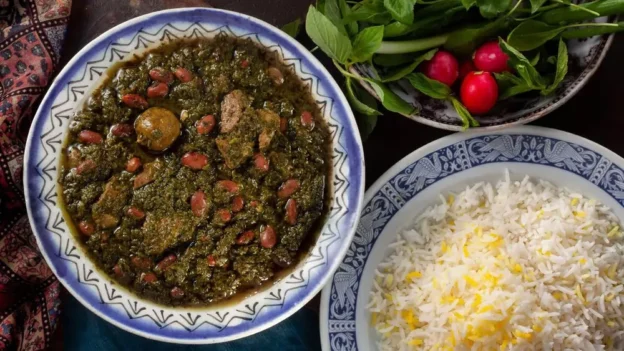
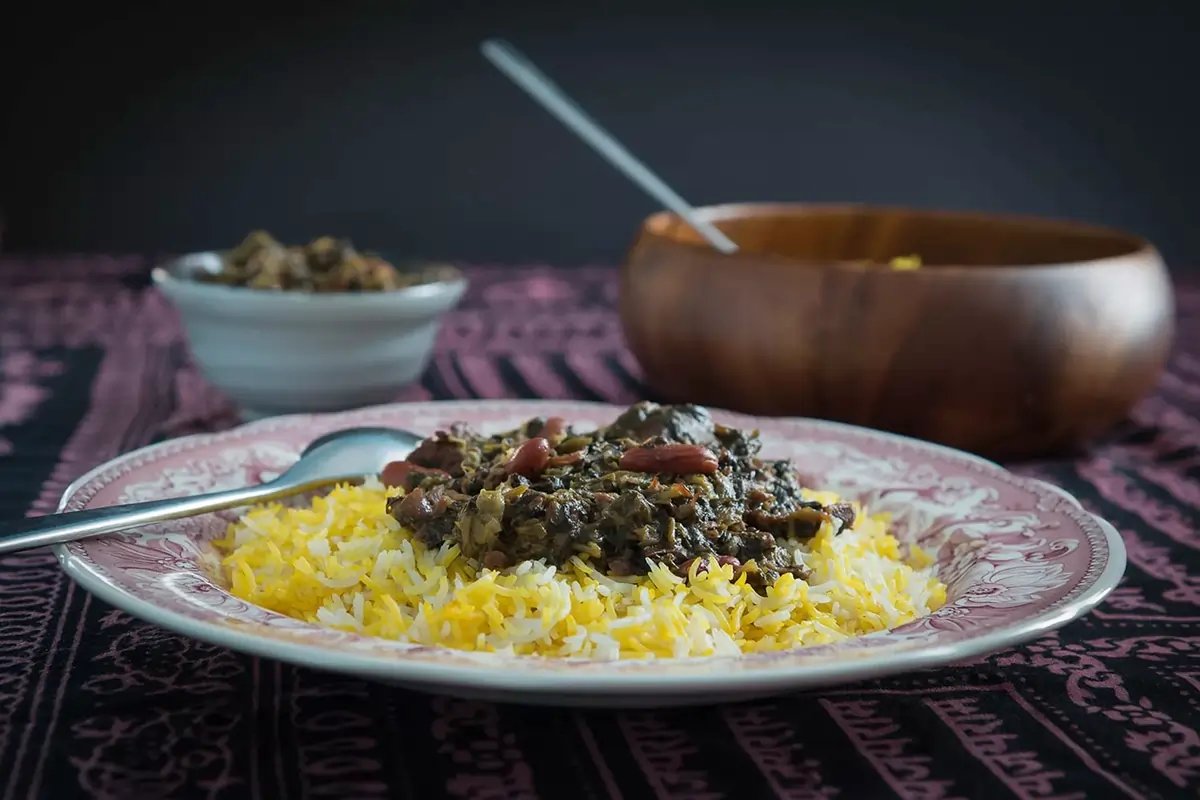
    How to cook Ghorme sabzi


    شگفت‌زده می‌شوید اگر بدانید که خیلی از غذاهای اصیل ایرانی ناخودآگاه عناصر اصلی رژیم MIND را در خود دارند.

    آش رشته: ترکیبی از حبوبات (لوبیا، عدس، نخود)، سبزیجات و رشته (غلات).

    • ته‌چین اسفناج با گردو و کشمش (سبزیجات، آجیل، غلات کامل)
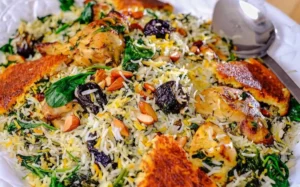
    tahchine esfenaj gerdoo

    • سالاد شیرازی (گوجه، خیار، پیاز، لیمو ترش – سبزیجات و فلاونوئیدها)
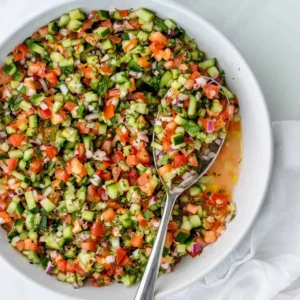
    سالاد شیرازی

    • سبزی‌پلو با ماهی: پر از سبزیجات معطر، برنج (غلات کامل)، و ماهی.
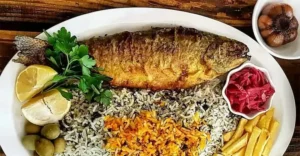
    sabzi polo ba mahi

    جدول مقایسه: اجزای کلیدی MIND و وجودشان در آشپزی ایرانی


    دسته غذایی

    نمونه در رژیم MIND

    مشابه ایرانی

    سبزیجات برگ سبز

    اسفناج، کلم

    سبزی آش، سبزی قورمه‌سبزی

    توت و میوه قرمز

    بلوبری، توت‌فرنگی

    زرشک، کشمش، توت سفید

    حبوبات و لوبیا

    عدس، لوبیا

    انواع آش، عدس‌پلو، لوبیاپلو

    غلات کامل

    جو، نان کامل

    نان سنگک، برنج قهوه‌ای

    ماهی و مرغ

    ماهی سالمون، مرغ

    ماهی شمال/جنوب، مرغ ته‌چین یا بریانی

    آجیل

    گردو، بادام

    گردو فسنجان، بادام در آجیل نوروز

    چربی سالم

    روغن زیتون

    روغن کنجد، روغن زیتون


    نتیجه‌گیری

    در نهایت، می‌بینیم اگرچه رژیم MIND در جهان غرب محبوب شده، ریشه‌های این نوع غذا خوردن را بارها در سفره مادربزرگ‌هایمان هم دیده‌ایم. اگر دوست دارید از مزایای یک رژیم غذایی فلاونوئید‌دار و سلامت مغز بهره ببرید، کافی است کمی انتخاب‌هایتان را به سمت اصالت ایرانی ببرید: سبزیجات، حبوبات، آجیل و ماهی بیشتر بخورید، روغن‌های گیاهی و غلات کامل را فراموش نکنید و خوراکی‌های فرآوری‌شده را محدود نمایید.

    سلامت مغز از سفره ایرانی دور نیست!

    ۱. رژیم غذایی MIND چیست؟

    رژیم MIND الگویی برای تغذیه سالم است که با تمرکز بر مصرف مواد غذایی خاص به حفظ سلامت مغز و پیشگیری از آلزایمر کمک می‌کند.

    ۲. این رژیم برای چه افرادی مناسب است؟

    برای همه افراد، به‌ویژه کسانی که می‌خواهند از افت حافظه و بیماری‌های مغزی جلوگیری کنند، مناسب است.

    ۳. اجزای اصلی رژیم غذایی MIND چیست؟

    سبزیجات برگ سبز، حبوبات، توت‌ها، آجیل، غلات کامل، ماهی، مرغ، روغن‌های سالم و مصرف محدود گوشت قرمز و لبنیات پرچرب.

    ۴. در رژیم MIND باید از چه مواد غذایی اجتناب کرد؟

    کره و مارگارین، پنیر پرچرب، گوشت قرمز، غذاهای سرخ‌شده و فست‌فود، شیرینی‌ها و دسرهای صنعتی.

    ۵. شباهت رژیم MIND با آشپزی ایرانی در چیست؟

    بسیاری از غذاهای ایرانی مانند سبزی‌پلو با ماهی، آش رشته و خورشت قورمه‌سبزی، عناصر اصلی رژیم MIND را دارند.

    ۶. آیا می‌توان با آشپزی ایرانی از مزایای این رژیم بهره‌مند شد؟

    بله؛ با انتخاب غذاهای سنتی حاوی سبزیجات، غلات کامل، حبوبات و روغن سالم می‌توانید سلامت مغز خود را حفظ کنید.

    ۷. تاثیر رژیم MIND روی حافظه چیست؟

    تحقیقات نشان داده است افرادی که به این رژیم پایبند هستند دیرتر دچار مشکلات حافظه و شناختی می‌شوند.

    ۸. آیا رژیم غذایی MIND یک رژیم غذایی فلاونوئید‌دار است؟

    بله؛ رژیم MIND سرشار از غذاهای فلاونوئید‌دار مانند سبزیجات، توت‌ها و خشکبار است که برای مغز مفیدند.
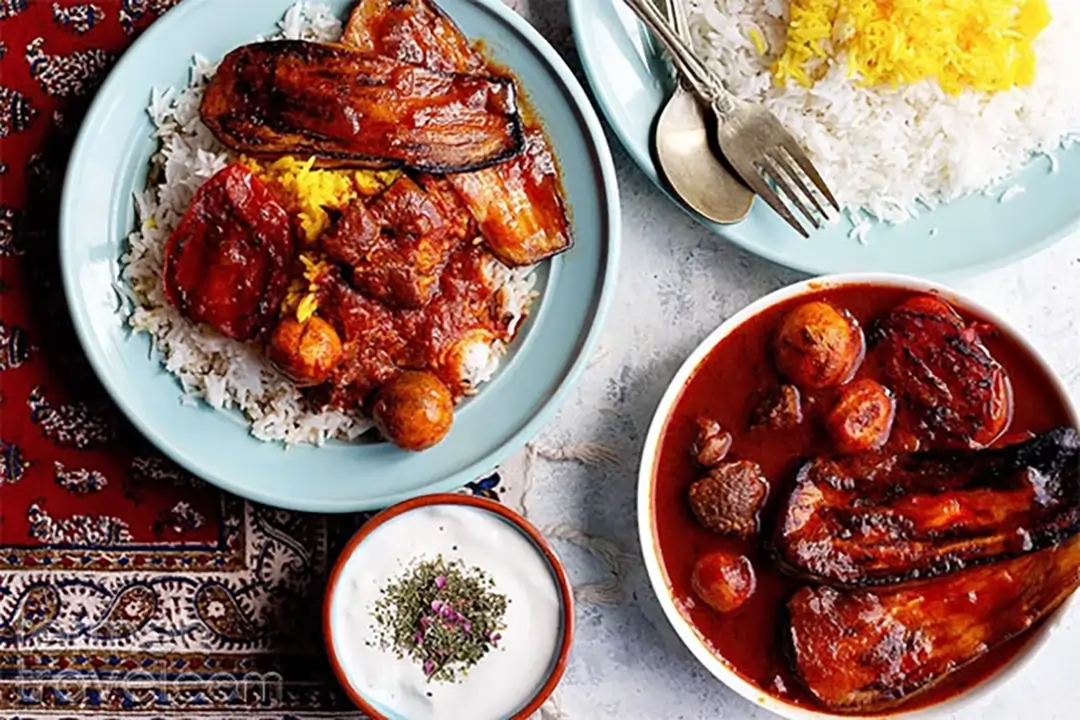
     

  • How to Cook Khoreshte Gheymeh

    If you’ve ever tasted Iranian cuisine, you know it’s a celebration of flavors, aromas, and centuries-old traditions. One of the dishes that regularly surprises and delights non-Iranians is Khoreshte Gheymeh Bademjan, or Persian Eggplant Stew. With its rich saffron-infused broth, tender chunks of lamb or beef, melt-in-your-mouth eggplants, and aromatic yellow split peas, Gheymeh Bademjan is a perfect ambassador for Persian hospitality and culinary artistry.

    Not only is this hearty stew a comforting main dish, but it also tells the story of Iran—the oldest country in the world—through its ingredients, flavors, and history. If you’re curious about popular Iranian dishes and have enjoyed Persian food in the past, here’s everything you need to know to bring this classic to your own kitchen.

    A Brief History of Khoreshte Gheymeh

    Khoreshte Gheymeh has long been part of Iranian home cooking, especially at gatherings and religious festivals. The word “Gheymeh” comes from the Persian word for “minced” or “cubed,” originally referring to the small pieces of meat prepared for this dish. Over time, cooks began to add yellow split peas, fragrant spices, dried Persian limes (limoo amani), and tomato, which give Gheymeh its bold, slightly tangy flavor.

    The addition of fried eggplants (bademjan) is a more modern touch but quickly turned Gheymeh Bademjan into a classic in its own right. Famous Iranian figures have praised this dish, and it remains a mainstay on festive tables throughout Iran, often served alongside crowd-pleasers like Ghorme sabzi recipe or Kabab Koobideh Persian style.

    Types of Gheymeh

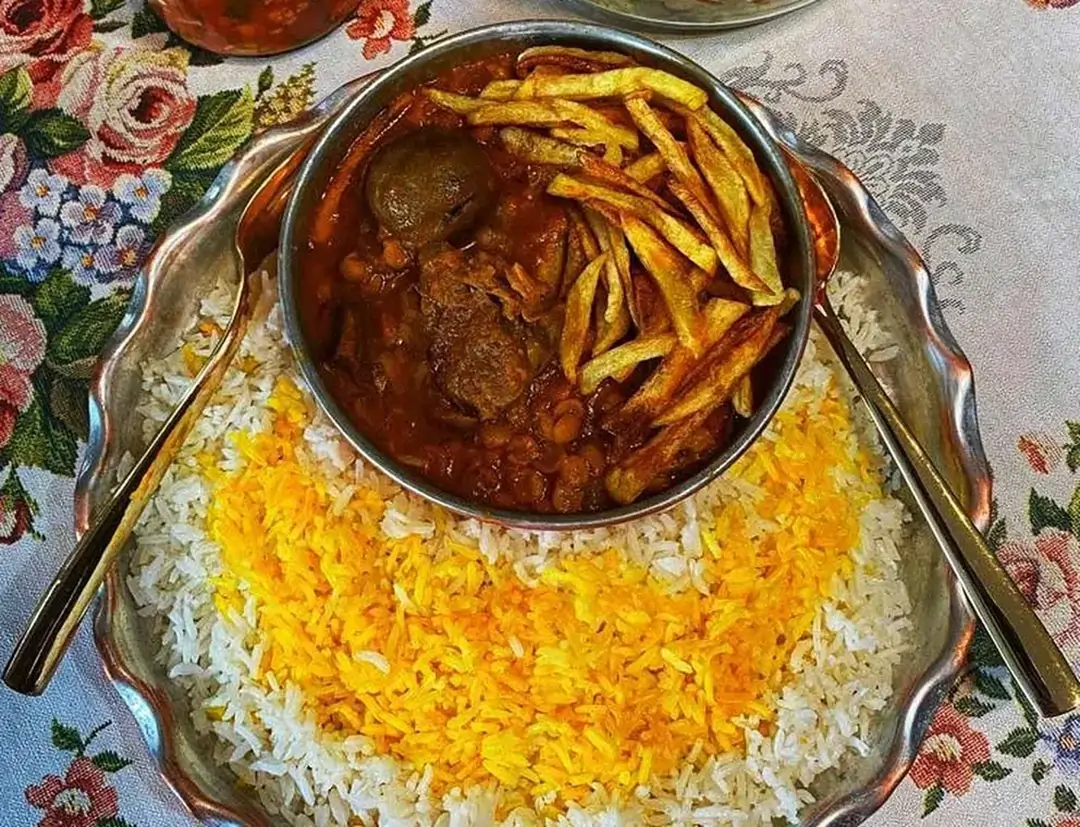
    khoresh-gheymeh sibzamini

    The base of Gheymeh is incredibly versatile and has given rise to several types:

    • Gheymeh Bademjan: The classic version, featuring fried or roasted eggplants.
    • Gheymeh Sibzamini: Topped with crispy French fries instead of eggplants, especially popular with children.

    No matter the type, this dish is often enjoyed with fluffy Persian rice and that coveted Persian crispy cake (Tahdig) at the bottom of the pot.

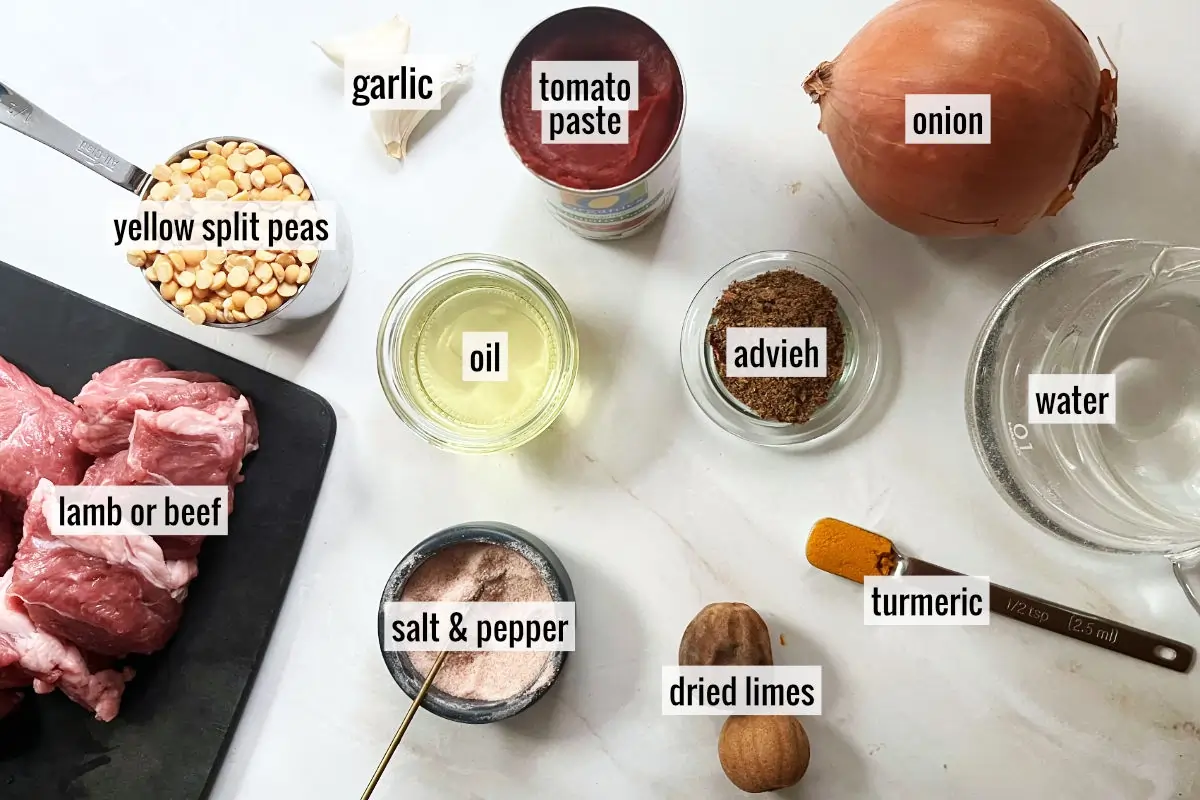
    Ingredients

    Khoresh-Gheymeh-Ingredients

    • 400 grams lamb or beef, cut into cubes
    • 1 cup yellow split peas (sometimes labeled as Chana dal)
    • 1 large onion, finely chopped
    • 2-3 medium eggplants, peeled and sliced lengthwise
    • 2 medium tomatoes, chopped (or 2 tablespoons tomato paste)
    • 2-3 dried Persian limes (limoo amani; available at specialty stores)
    • 1 teaspoon turmeric
    • ½ teaspoon ground cinnamon
    • ¼ teaspoon black pepper
    • 1 teaspoon salt (add more to taste)
    • 3-4 tablespoons vegetable oil
    • 2 cups water or beef stock
    • Optional: A pinch of saffron dissolved in hot water

    How to Cook: Step by Step

    1. Prepare the Eggplants:

    Peel and slice the eggplants lengthwise, about 1 cm thick. Sprinkle them with salt to help draw out any bitterness, and let them rest for about 30 minutes. Rinse the slices and pat dry. Lightly fry the eggplant slices in hot oil until golden brown on both sides. Remove and place on paper towels to absorb excess oil.

    1. Cook the Split Peas:

    Rinse the yellow split peas and simmer them in water for about 10 to 15 minutes so they begin to soften. Drain and set aside. (They’ll finish cooking in the stew.)

    1. Make the Meat Base:

    In a large stew pot, heat 2 tablespoons of oil. Sauté the chopped onions until translucent and starting to brown. Add the cubed meat, and cook until the outside is browned. Sprinkle in the turmeric, cinnamon, and pepper, and stir to release their fragrance.

    1. Add Tomato and Split Peas:

    Stir in the chopped tomatoes or tomato paste. Cook until the tomatoes are soft, and the oil begins to separate. Add in the pre-cooked split peas, mixing everything together.

    1. Add Liquid and Limes:

    Pour in just enough water or beef stock to cover the mixture. Pierce the dried limes with a fork and add them to the pot. Sprinkle with salt and bring the entire stew to a gentle boil, then reduce the heat, cover, and simmer for about 40 minutes to let the flavors blend and the meat become tender.

    1. Add the Eggplants:

    Gently add the fried eggplant slices to the top of the stew. If using saffron, add it now for an extra aromatic touch. Try not to stir too much, so the eggplant can keep its texture. Cover and simmer for another 20–30 minutes.

    1. Serve:

    Khoreshte Gheymeh Bademjan is ready to serve when the stew is thick, the oil has risen to the top, and the eggplant is meltingly tender. Spoon it over a bed of steamed Persian rice, ideally with crispy Tahdig!

    What to Serve Beside Khoreshte Gheymeh

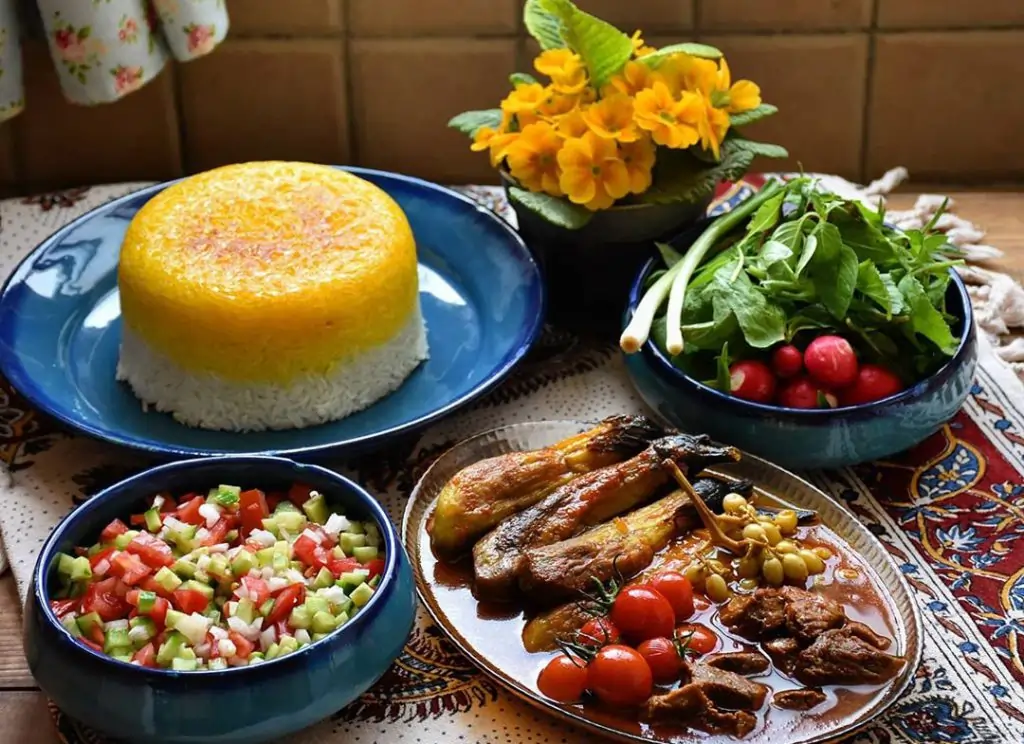
    Khoresh-Bademjan

    Traditionally, this stew is enjoyed with Persian-style steamed basmati rice, and almost always with Persian crispy cake (Tahdig)—the golden, crisp bottom crust of the rice pot. You can also serve it alongside fresh herbs (sabzi khordan), yogurt, pickled vegetables (torshi), or a refreshing cucumber and tomato Shirazi salad. It pairs beautifully with other popular Iranian dishes at any family gathering.

    Nutrition Facts (Per Serving)

    Nutrient

    Value

    Calories

    385 kcal

    Protein

    23 g

    Fat

    16 g

    Carbohydrates

    31 g

    Fiber

    8 g

    Sodium

    510 mg

    Cholesterol

    50 mg

    Iron

    3 mg

    These numbers are estimates. For a lighter dish, roast rather than fry the eggplants and use lean meat or a meatless substitute.

    Special Mom Tips for Richer Khoreshte Gheymeh

    Bademjoon khoresht

    • Use some bone-in meat for extra flavor, removing bones before serving.
    • Sauté the tomato paste until it’s a shade darker—this deepens the stew’s taste and gives a beautiful color.
    • Always use dried Persian limes and prick them with a fork, so their tangy flavor diffuses in the stew.
    • Layer the fried eggplant on top instead of mixing it in, which keeps it silky but intact.
    • Let your stew rest and reheat it before serving—like many Persian dishes, it tastes even better the next day as the flavors combine!

    Finally

    From the time of ancient Persian courts to today’s family kitchens, Khoreshte Gheymeh Bademjan showcases the heart of Iran’s culinary tradition. Whether you’re a new fan of Persian food or a regular at favorite Iranian restaurants, learning to cook this dish is a delicious way to connect with the vibrant culture of the oldest country in the world. Try it once, and it might just become the new favorite among your most beloved home-cooked meals!

    Frequently Asked Questions

    1. Can I make Khoreshte Gheymeh Bademjan vegetarian?

    Yes. Simply swap the meat for mushrooms, tofu, or another plant-based protein, and use vegetable stock.

    1. I can’t find dried Persian limes. What can I use instead?

    If you’re unable to find limoo amani, a squeeze of lemon juice or a little dried lime powder can add sourness, but limoo amani is essential for the authentic flavor.

    1. How far in advance can I make this stew?

    Khoreshte Gheymeh Bademjan keeps very well refrigerated for up to three days. It often tastes even better the next day!

    1. What kind of rice should I serve with it?

    Traditional Persian rice (steamed basmati) is best—don’t miss out on the Tahdig for a true Persian experience.

    1. Is this dish spicy?

    No, it’s aromatic and tangy but not hot. You can add a pinch of chili if you want a little heat.


  • The MIND Diet and Its Connection to Persian Cuisine

    The MIND diet is a brain-healthy eating plan that combines elements of the Mediterranean and DASH diets, emphasizing leafy greens, berries, nuts, whole grains, beans, fish, and olive oil to help reduce the risk of Alzheimer’s and support cognitive function.

    What’s particularly fascinating is how well many of the core principles align with aspects of Persian culture, especially when we consider the importance of fresh ingredients and traditional cooking methods. It is also worth noting the role that flavonoid diet can have to the health in overall as well as the brain.

    You don’t need to give up the colorful, flavorful traditions of Persian culture to embrace better brain health. The acclaimed MIND diet was designed to protect memory and reduce the risk of Alzheimer’s, and—surprisingly—shares much in common with classic Persian popular dishes. By blending modern nutrition science with time-honored Iranian meals, you get the best of both worlds: rich flavor, cultural roots, and improved wellness!

    What is Mediterranean Diet

    The Mediterranean diet is one of the two pillars of the MIND diet. Renowned for its emphasis on vegetables, fresh herbs, fruits, olive oil, whole grains, nuts, fish, and poultry, this way of eating is considered a true flavonoid diet, rich in antioxidants and anti-inflammatory nutrients.

    Many beloved Persian popular dishes such as Salad Shirazi, Ghormeh Sabzi, and Ash Reshteh naturally fit Mediterranean principles.

    Key Mediterranean Diet Features:

    • Includes lots of vegetables and fresh herbs
    • Focuses on heart-healthy fats (olive oil, nuts)
    • Promotes fish and poultry over red meat
    • Uses whole grains as a staple (like sangak bread)

    What is DASH (Dietary Approaches to Stop Hypertension)

    The DASH diet, developed to lower blood pressure, is the second building block of the MIND diet. It centers around

    • Eating more fruits, vegetables, beans, and whole grains
    • Cutting back on sodium
    • Favoring low-fat dairy, and
    • Limiting red meat and sweets

    In many ways, classic Persian culture is already DASH-friendly—herbs and spices add flavor instead of salt, and dishes like Adasi (lentil stew) and Khoresh Bamieh (okra stew) highlight vegetables and legumes.

    Benefits of the MIND Diet

    The MIND diet blends the best features of Mediterranean and DASH plans, with clear benefits for long-term health—particularly for the brain. Studies show people who closely follow the MIND diet can cut their Alzheimer’s risk by over 50%. That’s thanks to all the antioxidant- and flavonoid-rich foods at its core.

    Major Benefits:

    • May dramatically lower chances of Alzheimer’s or dementia
    • Supports memory, focus, and cognitive function
    • Improves heart health
    • Reduces inflammation
    • Easily adaptable for lovers of Persian popular dishes

    MIND Diet Benefits & Persian Cuisine Examples

    MIND Diet Benefit

    Persian Dish Example

    Key Ingredient (Flavonoid)

    Antioxidant-rich

    Ghormeh Sabzi

    Parsley, fenugreek, beans

    Heart-healthy fats

    Fesenjan

    Walnuts (in stew)

    Lots of vegetables

    Salad Shirazi

    Tomato, cucumber, herbs

    Focus on legumes

    Ash Reshteh, Adasi

    Beans, lentils, herbs

    Lower in red meat

    Chicken or fish kebabs

    Poultry, fish


    What Are the Components of the MIND Diet?

    The MIND diet is built on foods proven to fight aging and protect the mind. Many of these foods already appear in the most popular Persian dishes and snacks.

    Core Components:

    • Leafy Greens & Fresh Herbs: Spinach, parsley, sabzi khordan
    • Other Vegetables: Eggplant, squash, carrots
    • Berries: Strawberries, mulberries, barberries (used in Zereshk Polo)
    • Nuts: Walnuts, almonds, pistachios
    • Beans: Red beans, lentils, chickpeas
    • Whole Grains: Brown rice, sangak/barbari bread
    • Fish & Poultry: Fish or chicken (not red meat)
    • Olive Oil: For cooking and salads

    In Persian culture, many meals naturally feature lots of herbs, beans, nuts, and whole grains—essential for a true flavonoid diet.

    5 Foods to Avoid on the MIND Diet

    While many Persian favorites boost brain health, some should be limited.

    Avoid or Limit:

    1. Red meat: (kebab or lamb stews—eat rarely)
    2. Butter & Margarine: (swap for olive oil)
    3. Full-fat cheese & dairy: (use modestly in stews and Persian desserts)
    4. Pastries & Sweets: (traditional Persian desserts like baklava and zoolbia-bamieh should be special-occasion treats)
    5. Fried foods: (choose baked or grilled alternatives)

    Many delicious flavors in Persian cuisine come from herbs, spice, and citrus instead of less healthy fats or sugars. Updating recipes by adding nuts, berries, or switching to olive oil allows you to keep cultural traditions while enjoying the benefits of a flavonoid diet.

    Would you like a list of specific Persian recipes adapted for the MIND (flavonoid-rich) diet, or more tips for everyday swaps?

    Key Foods in the MIND Diet and Their Flavonoid Benefits

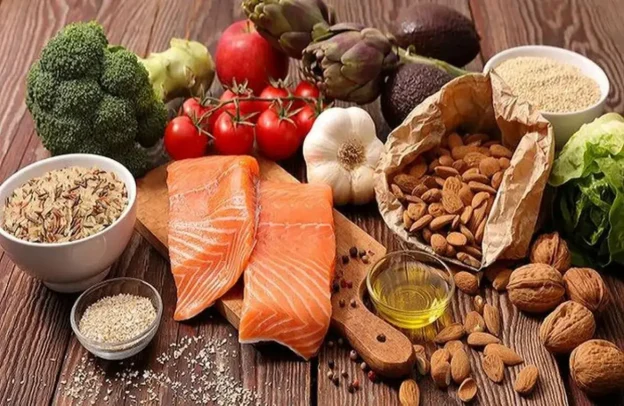
    MIND diet ingredients

    The MIND diet encourages a diet rich in specific foods, and many of these foods are also good sources of flavonoids, which are known for their antioxidant and anti-inflammatory properties. Here’s a breakdown:

    • The MIND diet’s focus on whole foods provides natural sources of essential nutrients and beneficial compounds like flavonoids. Consuming a variety of these foods can contribute to overall health and cognitive well-being.
    • Key Components:
      • Leafy Greens: Spinach, kale, lettuce
      • Vegetables: Broccoli, carrots, bell peppers
      • Nuts: Almonds, walnuts, pistachios
      • Berries: Strawberries, blueberries, raspberries
      • Beans: Kidney beans, chickpeas, lentils
      • Whole Grains: Brown rice, quinoa, oats
      • Fish: Salmon, tuna, trout
      • Olive Oil: Extra virgin olive oil

    Similarities Between the MIND Diet and Persian Popular Dishes

    Many Persian popular dishes naturally align with the MIND diet’s principles. Here’s how some of the most beloved Iranian foods complement this brain-healthy eating pattern:

    • Explanation: Traditional Persian cuisine often emphasizes fresh, whole ingredients, which is in line with the MIND diet’s focus. By understanding these connections, it’s easier to adapt Persian cuisine to further enhance its cognitive benefits.
    • Examples:

    Persian Popular Dish

    MIND Diet Alignment

    Ghormeh Sabzi

    Rich in leafy greens and herbs

    Ash Reshteh

    High in legumes and vegetables

    Zereshk Polo ba Morgh

    Poultry instead of red meat

    Salad Shirazi

    Fresh vegetables and herbs, olive oil dressing

    Adasi (Lentil Soup)

    Excellent source of legumes, spices and vegetables


    Adapting Persian Culture for a Flavonoid Diet

    Embracing a flavonoid diet within the framework of Persian culture can be both delicious and beneficial. It involves making thoughtful choices that emphasize flavonoid-rich ingredients:

    • Explanation: By focusing on foods naturally high in flavonoids, you can maximize the potential cognitive and overall health benefits of your diet while celebrating Persian culture through its culinary traditions.
    • Practical Steps:
      • Increase Herb Usage: Use more parsley, cilantro, and mint in salads and dishes.
      • Eat Colorful Fruits and Vegetables: Add bell peppers, tomatoes, and berries to your meals.
      • Use Olive Oil: Use extra virgin olive oil as the primary cooking oil for its antioxidant benefits.
      • Snack Smart: Choose nuts and seeds as healthy snacks.

    Ghormeh Sabzi: A MIND Diet-Friendly Persian Staple

    Ghorme sabzi

    Ghormeh Sabzi, a beloved Persian herb stew, is naturally aligned with the MIND diet:

    • Explanation: Ghormeh Sabzi features a wide variety of flavonoid-rich herbs and vegetables, making it a powerhouse of nutrition. Its combination of greens, beans, and lean meat (or vegetarian alternatives) makes it an ideal dish for brain health.
    • Key Ingredients & Benefits:
      • Parsley: High in vitamins and antioxidants
      • Spinach: Rich in iron and folate
      • Kidney Beans: Good source of protein and fiber
      • Fenugreek: Adds unique flavor and has anti-inflammatory properties

    Balancing Persian Desserts with the MIND Diet

    zoolbia bamieh


    While traditional Persian desserts like Baklava and Sholeh Zard are delightful, they are often high in sugar. Here’s how you can balance indulging in these treats while sticking to the MIND diet:

    • Explanation: Moderation is key when enjoying traditional Persian desserts. You can still enjoy them occasionally while making conscious choices to balance your overall diet with MIND-friendly options.
    • Strategies:
      • Portion Control: Enjoy small portions of desserts.
      • Frequency: Limit dessert consumption to special occasions.
      • Healthy Swaps: Choose desserts with nuts and fruits, such as fresh fruit platters or a small serving of Fesenjan (walnut stew).
      • Mindful Eating: Savor each bite of the dessert to feel more satisfied with less.

    FAQs

    Can I enjoy Persian cuisine while following the MIND diet?

    Yes! By making mindful choices, such as increasing vegetables, limiting red meat, and moderating sugary desserts, you can align Persian cuisine with the MIND diet’s principles.

    Which Persian dishes are most suitable for the MIND diet?

    Dishes like Ghormeh Sabzi, Ash Reshteh, Salad Shirazi, and Adasi (lentil soup) are excellent choices due to their high vegetable and legume content.

    How can I adapt Persian desserts to fit the MIND diet?

    Practice portion control, limit frequency, and opt for desserts that include nuts and fruits.

    How does a flavonoid diet contribute to brain health?

    Flavonoids have antioxidant and anti-inflammatory properties that protect brain cells and improve cognitive function.

    How does this version look to you? I can make further adjustments as needed.

  • رژیم غذایی فلوئید دار و سلامت قلب

    فلاونوئید یک گروه بزرگ از ترکیبات طبیعی است که به طور گسترده در میوه‌ها، سبزیجات، برگ‌ها، دانه‌ها، چای و حتی برخی ادویه‌ها یافت می‌شود و عامل اصلی رنگ‌های زیبا و متنوع بسیاری از گیاهان به شمار می‌آید. این ترکیبات به عنوان آنتی‌اکسیدان‌های قوی، به بدن کمک می‌کنند تا با رادیکال‌های آزاد و التهاب‌های مخرب مقابله کند و نقش مهمی در حفظ سلامت قلب، مغز، پوست و سیستم ایمنی دارند.
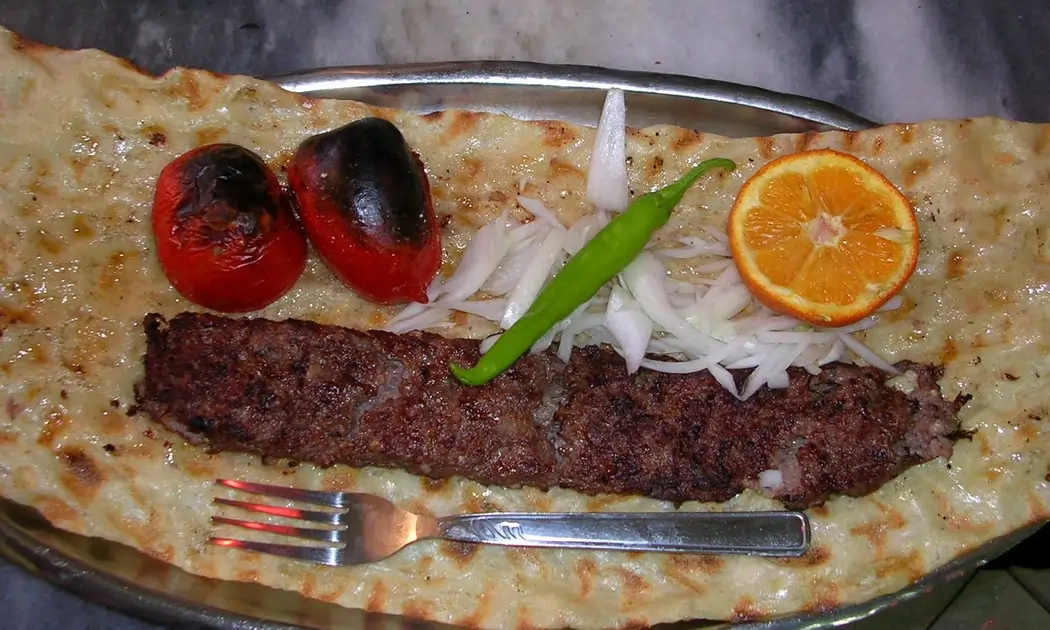
     

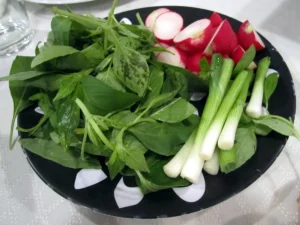
    فلاونوئیدها گروه بزرگی از ترکیبات طبیعی هستند که در دنیای گیاهان، همه جا حضور دارند. از قرمزی انار گرفته تا تلألو زرد زعفران یا سبزی جعفری نتیجه وجود فلاونوئیدهاست. 
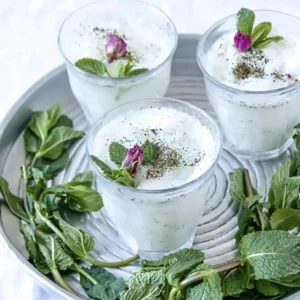
     

    نقش فلاونوئیدها در بدن چیست؟

    فلاونوئیدها را می‌توان به عنوان یک سپر دفاعی پرقدرت برای سلول‌های بدن نام برد. نقش‌های اصلی آن‌ها در بدن شامل موارد زیر است:

    آنتی‌اکسیدان قوی

    • فلاونوئیدها رادیکال‌های آزاد – موادی که عامل پیری زودرس، سرطان و بسیاری بیماری‌ها هستند – را خنثی می‌کنند.
    • مصرف مناسب آن‌ها آسیب به DNA سلول‌ها و پیری و مرگ سلولی را کاهش می‌دهد.

    ضد التهاب طبیعی

    • فلاونوئیدها جلوی التهاب‌های پنهان و مزمن بدن که پایه بسیاری بیماری‌ها (مانند آرتریت، دیابت نوع ۲، بیماری‌های قلبی) هستند را می‌گیرند.
    • به ترمیم بافت‌ها و کاهش دردهای التهابی کمک می‌کنند.

    محافظ قلب و رگ‌ها

    • فلاونوئیدها جریان خون را بهبود داده و از لخته‌شدن خون یا آسیب به جدار رگ‌ها جلوگیری می‌کنند.
    • فشار خون را متعادل‌تر نگه می‌دارند و احتمال سکته قلبی/مغزی را کاهش می‌دهند.

    حمایت از مغز و حافظه

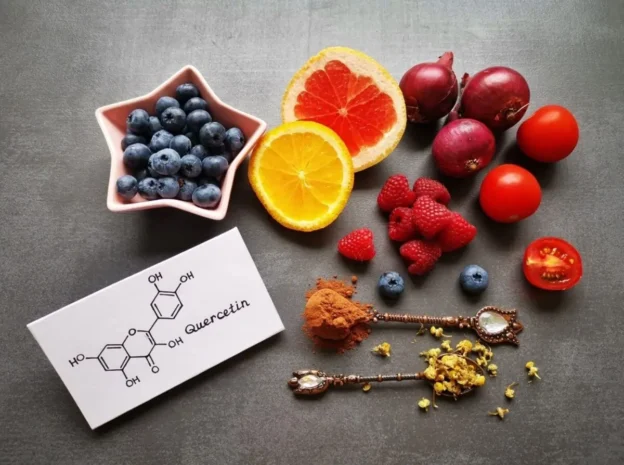
    • برخی فلاونوئیدها (مثلاً کاتچین در چای یا کوئرستین در سیب و پیاز) از سلول‌های عصبی محافظت کرده و ارتباط بین نورون‌ها را بهبود می‌دهند.
    • خطر ابتلا به آلزایمر و زوال عقل را پایین می‌آورند.

    تنظیم قند و چربی خون

    • مصرف خوراکی‌های سرشار از فلاونوئید، حساسیت سلول‌ها به انسولین را بیشتر و تجمع چربی در کبد و شکم را کمتر می‌کند.

    تقویت سیستم ایمنی

    • بدن با فلاونوئیدها راحت‌تر به میکروب‌ها، ویروس‌ها و تومورها حمله می‌کند.

    محافظت از پوست

    • باعث ترمیم بهتر پوست، کاهش عوارض اشعه خورشید و مقابله با چین‌وچروک می‌شوند.

    انواع شناخته‌شده فلاونوئیدها و نمونه‌های غذایی آن‌ها

    نقش فلاونوید ها

    فلاونوئیدها یک خانواده بزرگ و متنوع از ترکیبات گیاهی هستند که هر کدام ویژگی‌ها و اثرات منحصر‌به‌فردی در سلامت انسان دارند. تاکنون پژوهشگران شش گروه اصلی فلاونوئید را شناسایی کرده‌اند که هر کدام در گروه‌های خاصی از خوراکی‌ها یافت می‌شوند. مثلاً آنتوسیانین‌ها عامل رنگ قرمز و بنفش در میوه‌هایی مثل انار و انگور، کاتچین‌ها در چای سبز و شکلات تلخ، فلاون‌ها در سبزیجاتی مثل جعفری و کرفس، فلاوانون‌ها در مرکبات، فلاوونول‌ها در سیب و پیاز، و ایزوفلاون‌ها در حبوباتی مثل عدس و سویا حضور پررنگی دارند. این تنوع باعث شده که با مصرف روزانه میوه‌ها و سبزیجات متعدد، انواع مختلف فلاونوئیدها را وارد بدن کنیم و از تأثیر بی‌نظیر آن‌ها روی سلامت قلب، مغز و سیستم ایمنی بهره‌مند شویم. در جدول زیر برخی اصلی‌ترین گروه‌های فلاونوئید و رایج‌ترین منابع ایرانی‌شان را مشاهده می‌کنید:

    گروه فلاونوئید

    خاصیت اصلی

    منابع ایرانی اصلی

    فلاون‌ها

    ضد التهاب، ضد سرطان

    جعفری، کرفس، نعنا

    فلاوانون‌ها

    حفظ سلامت قلب

    لیمو شیرین، پرتقال، نارنگی

    آنتوسیانین‌ها

    آنتی‌اکسیدان قوی، محافظ مغز

    انار، انگور قرمز، زرشک، گیلاس

    ایزوفلاون‌ها

    تعادل هورمونی، حفاظت استخوان

    عدس، سویا (غیرایرانی)

    فلاوونول‌ها

    تنظیم قند خون، ضد التهاب

    سیب، پیاز، چای سبز، اسفناج

    کاتچین‌ها

    سلامت قلب و مغز

    چای سبز، شکلات تلخ، تمشک


    چرا بدن ما نمی‌تواند بدون فلاونوئیدها باشد؟

    بدن شما یک شهر بزرگ است و فلاونوئیدها نیروهای مراقبت و پلیس نامرئی این شهر هستند که هر روز بی‌صدا از سلول‌های شما مراقبت می‌کنند. اگر منابع غذایی فلاونوئیددار به طور منظم مصرف نشوند، احتمال ابتلا به بیماری‌های مزمن افزایش می‌یابد، روند پیری سریع‌تر می‌شود و همچنین ممکن است احساس خستگی، کاهش تمرکز و افزایش التهاب‌های پنهان را تجربه کنید.

    اصلی‌ترین منابع فلاونوئید در تغذیه ایرانی

    فلاونوئید ها در تغزیه ایرانی

    خوشبختانه سفره ایرانی به طور طبیعی سرشار از خوراکی‌های فلاونوئیددار است؛ یعنی اگر کمی دقت و تنوع در مصرف مواد غذایی داشته باشید، براحتی می‌توانید نیاز بدنتان به این مواد ارزشمند را تامین کنید.

    منابع غنی فلاونوئید در مواد غذایی ایرانی:

    • میوه‌ها: سیب، انار، پرتقال، نارنگی، انگور قرمز، آلبالو، گیلاس، زرشک
    • سبزیجات: جعفری، اسفناج، پیاز قرمز، گوجه‌فرنگی، شوید، تره، کلم بروکلی، هویج
    • نوشیدنی‌ها: چای سیاه و سبز، شربت زعفران، دم‌نوش گل‌گاوزبان و بابونه
    • مغزها و دانه‌ها: گردو، بادام، فندق، تخمه آفتابگردان
    • ادویه‌ها: زردچوبه، زیره، دارچین، زنجبیل، فلفل قرمز
    • غذاهای سنتی: خورشت فسنجان (گردو و انار)، آش رشته (سبزیجات زیاد)، آبگوشت با نخود و سبزی

    چرا باید رژیم غذایی فلوئید دار را جدی بگیریم؟

    strawberries

    رژیم سرشار از فلاونوئید نه فقط برای پیشگیری از یک بیماری خاص، بلکه راهی همه‌جانبه برای افزایش کیفیت زندگی، تقویت سیستم ایمنی و افزایش طول عمر است. چه می‌خواهید مغزی سالم و قدرتمند، چه قلبی جوان یا پوستی شاداب داشته باشید، باید به این مواد حیاتی توجه ویژه داشته باشید.

    چگونه رژیم غذایی فلوئید دار را در برنامه روزانه خود پیاده کنیم؟

    برای این‌که واقعاً از فواید بی‌نظیر فلاونوئیدها بهره‌مند شوید، لازم نیست دنبال برنامه‌های عجیب یا مواد غذایی خاص خارجی باشید. کافیست همان خوراکی‌های ایرانیِ رنگارنگ و طبیعی را هوشمندانه‌تر انتخاب و مصرف کنید. اجرای رژیم غذایی فلوئید دار، یعنی هر روز سهم مناسبی از میوه‌ها، سبزیجات، مغزها و نوشیدنی‌های گیاهی را وارد وعده‌های اصلی و میان‌وعده‌ها کنید. راز موفقیت این رژیم در تکرار، تنوع و استفاده از مواد غذایی کامل و فرآوری‌نشده است. با رعایت چند اصل ساده و جایگزینی برخی عادات روزمره، خواهید دید که چطور سلامت بدن و مغزتان متحول می‌شود!

    مراحل و نکات کلیدی برای پیاده‌سازی رژیم فلاونوئیددار:

    1. هر وعده غذایی را رنگی کنید!

    سعی کنید سه رنگ مختلف از میوه‌ها و سبزیجات تازه را در هر وعده، حتی صبحانه، مصرف کنید (مثلاً سیب، انار، یا خیار در کنار غذای اصلی).

    1. میان‌وعده‌های سالم انتخاب کنید.

    مغزها (بادام، پسته، گردو)، سبزیجات خام (هویج، فلفل دلمه‌ای) یا میوه‌های تازه بهترین انتخاب هستند.

    1. نوشیدنی‌هایتان را تغییر دهید.

    چای سبز، دم‌نوش بابونه، شربت زعفران یا آب آلبالو را جایگزین نوشابه، آبمیوه صنعتی و نوشیدنی‌های شیرین کنید.

    1. از ادویه‌های رنگی بیشتر بهره ببرید.

    زردچوبه، دارچین، زنجبیل و جعفری را به غذا و سالاد اضافه کنید.

    1. هفته‌ای یک تا دو بار غذای گیاهی یا سنتی حاوی مغزها و سبزیجات بپزید.

    مانند خورشت فسنجان، آش رشته یا خوراک سبزیجات.

    1. غذاهای فرآوری‌شده و پرچرب را کاهش دهید.

    سوسیس، کالباس، فست‌فود و شیرینی‌های صنعتی، دشمن فلاونوئیدها هستند.

    1. سالاد همیشه در سفره باشد!

    سالاد فصل یا سالاد سبزیجات برگ سبز را همیشه کنار غذای اصلی میل کنید.

    1. خیلی ساده: “یک روز، یک میوه یا سبزی جدید”!

    هر هفته یک میوه یا سبزی که کمتر مصرف می‌کنید به برنامه اضافه کنید (مثل تمشک، کلم بروکلی، زرشک یا لبو).

    چند جایگزین ساده و کاربردی:

    • به جای چیپس: خلال هویج یا ساقه کرفس با لیمو
    • به جای بیسکوییت صنعتی: یک سیب یا یک مشت مغز
    • به جای نوشابه: آب زرشک یا دم‌نوش گل‌گاوزبان
    • به جای خامه و کره زیاد: ماست کم‌چرب با سبزی خشک و گردو

    برای موفقیت در اجرای رژیم فلاونوئیددار، بهتر است لیست خرید خود را همیشه با میوه‌ها و سبزیجات متنوع تنظیم کنید و هر هفته یک نوع خوراکی جدید را امتحان کنید تا برنامه غذایی‌تان یکنواخت و خسته‌کننده نشود. اگر در خانه کودک یا سالمند دارید، می‌توانید سالاد و میوه را به شکل‌های جذاب تزیین کنید تا علاقه آن‌ها به مصرف این مواد بیشتر شود.

    فراموش نکنید که برای پیروی از این رژیم نیاز به هزینه بالا نیست، زیرا حتی ساده‌ترین سبزیجات و میوه‌های معمولی بازار نیز سرشار از فلاونوئیدها هستند. راز این رژیم، تنوع و استمرار است؛ نه سخت‌گیری و محدودیت. کافیست هر وعده‌، درصدی از بشقاب‌تان را به مواد رنگارنگ گیاهی اختصاص دهید تا بدن‌تان هر روز از فلاونوئیدها نیرو بگیرد!

    نمونه برنامه غذایی شبه‌رژیم فلاونوئیددار ایرانی (یک روز)

    وعده

    نمونه خوراکی‌های حاوی فلاونوئید

    صبحانه

    چای سبز + میوه (سیب و انار)

    میان‌وعده

    مغز بادام و گردو + شربت زعفران

    ناهار

    خورشت فسنجان یا سبزیجات پز

    عصرانه

    آب پرتقال طبیعی + چند دانه زرشک

    شام

    سالاد اسفناج و جعفری + ساندویچ فلافل خانگی با سبزیجات تازه


    جمع‌بندی

    رژیم غذایی فلاونوئیددار با تاکید بر میوه‌ها، سبزیجات، مغزها و ادویه‌جات رنگارنگ، کلیدی برای محافظت از قلب، مغز، پوست و حتی پیشگیری از سرطان است. اجرای این رژیم نیاز به هزینه یا فرمول پیچیده ندارد؛ کافیست طبیعت را وارد بشقاب خود کنید! برای دریافت یک راهنمای تخصصی و مغز محور، دعوت می‌کنیم مقاله کامل ما درباره‌ی رژیم MIND و شباهت‌هایش با سفره ایرانی را در آب هویج بخوانید. با این کار، سلامت بدن و مغز را در کنار هم تضمین می‌کنید.

    سوالات متداول

    رژیم فلاونوئیددار برای چه کسانی مفید است؟

    رژیم فلوئید دار برای همه گروه‌های سنی توصیه می‌شود؛ به‌ویژه برای سالمندان، بیماران قلبی-عروقی و افرادی که می‌خواهند سیستم ایمنی قوی‌تری داشته باشند.

    افراد مناسب:

    • سالمندان و کسانی که سابقه خانوادگی بیماری‌های مغزی و قلبی دارند
    • ورزشکاران
    • افرادی با زندگی پر استرس
    • بیماران دیابتی و کسانی که اضافه وزن دارند

    مصرف زیاد فلاونوئید می‌تواند ضرر داشته باشد؟

    وقتی فلاونوئیدها با غذا و طبیعی مصرف شوند (نه به صورت مکمل شیمیایی)، کاملاً بی‌ضرر و حتی مفید هستند. اما مکمل‌های صنعتی باید زیر نظر پزشک مصرف شوند.

    موارد احتیاط:

    • مکمل‌ها، در میزان زیاد و بی‌حساب، احتمال تداخل دارویی دارند
    • مصرف طبیعی تا هر مقدار، بی‌خطر است

    فلاونوئید دقیقا چه کمکی به مغز می‌کند؟

    فلاونوئیدها با بهبود جریان خون مغز، کاهش التهاب، تنظیم نوروترنسمیترها و کاهش آسیب استرس اکسیداتیو، تأثیر مستقیم در سلامت روان، حافظه و پیشگیری از آلزایمر دارند.

    تاثیرات روشن:

    • افزایش قدرت یادگیری و تمرکز
    • کاهش ریسک آلزایمر و زوال عقل
    • محافظت نورونی (Neuroprotection)

    نمونه‌ای از وعده غذایی سرشار از فلاونوئید چیست؟

    هر ترکیبی از خوراکی‌های رنگارنگ، سبزیجات تازه، مغزها و نوشیدنی‌های گیاهی مثل:

    • سالاد ایرانی (گوجه، جعفری، خیار)
    • چای سبز با دارچین
    • میوه‌هایی مثل تمشک، زرشک و انار
    • فلافل خانگی با تره و جعفری

    رژیم فلاونوئیددار با MIND چه فرقی دارد و آیا مکمل هم هستند؟

    بله، رژیم فلاونوئیددار کاملاً مکمل رژیم  MIND است؛ چون پایه و اساس هر دو استفاده از خوراکی‌های طبیعی، گیاهی و رنگی است با این تفاوت که MIND تمرکز بیشتری روی مواد موثر برای مغز دارد اما فلاونوئیدها طیف اثر وسیع‌تر روی تمام بدن دارند.


  • How to make Joojeh Kabab( Persian Saffron chicken Kabab)

    There’s something truly special about gathering around a grill with your loved ones, the scent of marinated chicken sizzling in the air, and the vibrant colors of saffron glistening on golden kabobs. If you’ve ever wanted to explore the flavors of Persian cuisine, starting with Joojeh Kabab—saffron and yogurt chicken kabobs—is the perfect way in.

    This beloved dish isn’t just a meal; it’s a celebration of Iran’s ancient food tradition and hospitality, capturing the essence of one of the oldest countries in the world. Whether you’re already a fan of famous Iranian popular dishes like Kabab Koobideh and Fesenjan, or you’re just beginning your adventure, learning how to cook Joojeh Kabab at home is a delicious step into Persian culture. This guide will take you through every detail, from blooming saffron to grilling juicy skewers—no experience required!

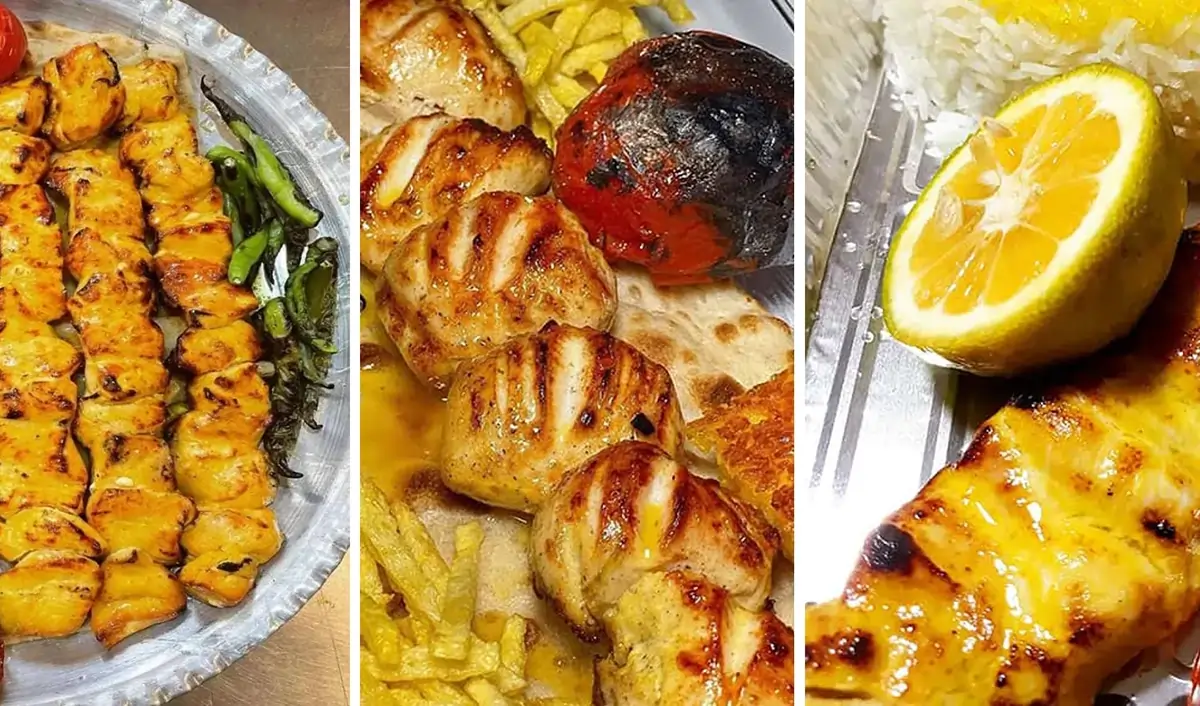
    Joojeh Kabab is a classic Persian dish made of tender chicken pieces marinated in saffron, yogurt, and citrus, then grilled to perfection and celebrated as one of Iran’s most beloved and flavorful kabobs.


    Ingredients for this Chicken Kabob Recipe

    Before we dive into the list of ingredients, it’s important to understand what makes Iranian cuisine so unique and beloved across the world. Iranian food is all about creating harmony between subtle fragrances, bright colors, and balanced flavors. Every ingredient in Joojeh Kabab is chosen to bring out natural aromas and textures—think fresh citrus, creamy yogurt, and, of course, the jeweled essence of saffron.

    These elements are not only common in Joojeh Kabab, but also in other Iranian popular dishes like Kabab Koobideh and Fesenjan, all of which speak to the deep culinary heritage of one of the oldest countries in the world. When you prepare this recipe, you’re not just making dinner—you’re bringing centuries of Persian hospitality and taste to your table.

    Before jumping in, let’s talk about what makes Joojeh Kabab so delicious. Each ingredient in this list plays a special role in creating those classic Persian flavors:

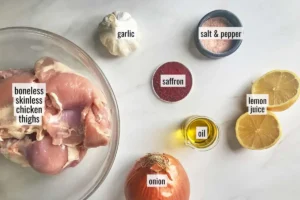
    Joojeh-Kabob-Ingredients

    • Chicken (1 kg / 2.2 lbs, boneless): You can use breast for tenderness or thighs for extra juiciness. Cutting the chicken into large chunks helps them stay moist and grill beautifully.
    • Onion (1 large, grated or sliced): Onion helps with both flavor and tenderizing the chicken.
    • Plain Yogurt (1/4 cup): This adds softness to the chicken and helps build a tasty marinade.
    • Olive Oil (3 tbsp): Adds a bit of healthy fat to lock in moisture and help infuse the marinade.
    • Lemon Juice (from 1 large lemon): Brings zing and balances flavors—marinating with acidic lemon is key to Persian kabobs.
    • Ground Saffron (1/2 tsp, bloomed): The main star! Saffron gives that iconic golden color and an unmistakable aroma, used in many dishes from the oldest country in the world.
    • Salt & Pepper (to taste): The essentials!
    • Optional: Garlic (2 cloves, minced) & Turmeric (1/2 tsp): For extra layers of flavor, often used in home recipes.

    Why all this? Each item is chosen to maximize both taste and tenderness. The combination is simple yet legendary in Iranian homes.

    How to Make Joojeh Kabab

    Cooking Joojeh Kabab at home is more than just following a recipe; it’s about embracing a piece of Iranian culture that values patience, attention to detail, and the art of marination. Persian cooking is famous for transforming everyday ingredients into dishes that taste both refined and comforting, using techniques that have been passed down in one of the oldest countries in the world. When it comes to making Joojeh Kabab, each step—from marinating in fragrant saffron and yogurt to grilling over hot coals—adds layers of flavor and tenderness that other cuisines might miss.

     Whether you’re already familiar with Iranian favorites like Kabab Koobideh or Fesenjan, or you’re exploring these classics for the first time, preparing Joojeh Kabab is a memorable way to capture the balance of tastes and textures that define Iranian popular dishes. Let’s walk through the process together, step by step, so you can create an authentic Persian feast in your own kitchen.

    Don’t worry—making Joojeh Kabab isn’t complicated, but it’s all about patience and layering flavor at every stage. Here’s a step-by-step rundown:

    Prepare the Marinade:

    Mix onion, yogurt, olive oil, lemon juice, bloomed saffron, salt and pepper in a bowl. If using, add garlic and turmeric now too.

    Marinate the Chicken:

    Add chicken pieces. Mix until everything’s nicely coated. Cover the bowl and let the mixture marinate for at least 3 hours (overnight gives even better flavor).

    Tip: The longer, the better!

    Skewering:

    Thread the marinated chicken onto skewers, making sure not to pack them too tightly. If you’re using wood skewers, soak them in water for 1 hour so they don’t burn.

    Grilling:

    Heat your grill or barbecue to medium-high. Cook skewers for about 10–15 minutes, turning every few minutes, until chicken is golden and slightly charred.

    Grilling this way brings out the smoky flavor typical to many Iranian dishes.

    Finish and Serve:

    Brush with a little melted butter or another splash of saffron water before serving, just like they do in Tehran’s authentic kabab houses.

    How to Bloom Saffron

    If you’ve ever wondered why Persian dishes like Joojeh Kabab, seem to glow with color and fragrance, the answer is almost always saffron. Known as the world’s most precious spice, saffron is used in many Iranian popular dishes to add both vibrant color and a subtle, luxurious aroma. But simply tossing saffron threads into a recipe won’t deliver the full experience!

    Instead, Iranians practice “blooming” saffron—a special technique that releases all the golden color and delicate flavor locked inside each tiny thread. Blooming is quick and easy, and mastering this step brings the true taste of one of the oldest cuisines in the world to your kitchen. Here’s how you can do it at home and elevate all your Persian recipes.

    Saffron is called red gold in Iran for a reason. Blooming (or steeping) saffron properly is a tradition for Iranian popular dishes—here’s how it’s done:

    • Grind it: Put saffron threads in a mortar and pestle; gently grind to a fine powder.
    • Add hot water: Pour in 2–3 tablespoons of hot (not boiling!) water.
    • Let it steep: Wait about 10–15 minutes. The color will turn vibrant yellow-orange.
    • Use it: This liquid is your secret weapon. Add it to the marinade and also brush it over the cooked kabob for extra aroma.

    Joojeh Kabab types

    jooje-kebab types

    One of the most exciting things about Joojeh Kabab—and really, about Iranian food as a whole—is how even the most classic dishes can take on new personalities depending on region, family tradition, or personal taste. While saffron, yogurt, and citrus are typically at the heart of every good Joojeh Kabab, cooks across one of the oldest countries in the world have always experimented with different marinades, grilling techniques, and even presentation styles.

    Some regions add pomegranate juice or sumac for brightness, others use bone-in chicken for extra juiciness, and there are even vegetarian or oven-baked versions gaining popularity outside Iran. Like Kabab Koobideh or Fesenjan, Joojeh Kabab can easily be adapted for special diets and modern kitchens—all while retaining those signature Persian flavors and aromas. Let’s take a look at some of the most popular variations you might want to try at home.

    Joojeh Kabab is flexible—over generations in the oldest country in the world, families have added their own twists. Here are a few you can try:

    • With Vegetables: Alternate pieces of chicken with bell peppers, tomatoes, or onions on each skewer for color and flavor.
    • Bone-in Chicken: Using bone-in pieces tastes richer and juicier, but add a few extra minutes on the grill.
    • Extra Saffron or Spices: Add more saffron or even a pinch of cardamom for a luxury version.
    • Mix with Kabab Koobideh: Serve your chicken kabobs next to ground meat kababs for a truly Iranian BBQ experience.
    • Butter Basting: Brushing the kabobs with melted butter as they grill makes them even more tempting.

    Experimentation is at the heart of Persian cooking!

    Equipment for cooking Joojeh Kabab

    You don’t need fancy tools to cook authentic Joojeh Kabab, but a few key pieces of equipment will help you get the best results. Most Iranians use metal skewers (known as “sikh”) for grilling, which hold the marinated chicken pieces firmly over the flame and help with even cooking.

    A charcoal or gas grill is ideal to achieve that classic smoky flavor, but you can also use an oven broiler or even a stovetop grill pan if that’s what you have. Don’t forget a large bowl for mixing the marinade and some tongs for turning the kabobs—simple kitchen equipment, but essential for capturing the real taste of this Persian favorite.

    You don’t need a fancy setup to prepare Joojeh Kabab, just a few basic tools:

    • Skewers: Either metal (traditional) or wooden.
    • Grill/Barbecue: Charcoal or gas both work great, or use your oven broiler.
    • Mixing Bowls: For marinating.
    • Mortar and Pestle: To grind saffron (or use a spice grinder).
    • Basting Brush: For butter or saffron at the end.

    Nutrition Facts Table

    Knowing what you eat matters! Here’s a nutrition snapshot for a typical serving of Joojeh Kabab (not including rice or bread):

    Nutrient

    Amount per Serving

    Calories

    260 kcal

    Protein

    26 g

    Fat

    14 g

    Carbs

    4 g

    Fiber

    0.5 g

    Sodium

    290 mg

    Cholesterol

    80 mg

    This makes Joojeh Kabab a healthy, high-protein meal, especially when compared with some other Iranian popular dishes like Fesenjan.

    What to Serve with Joojeh Kabab

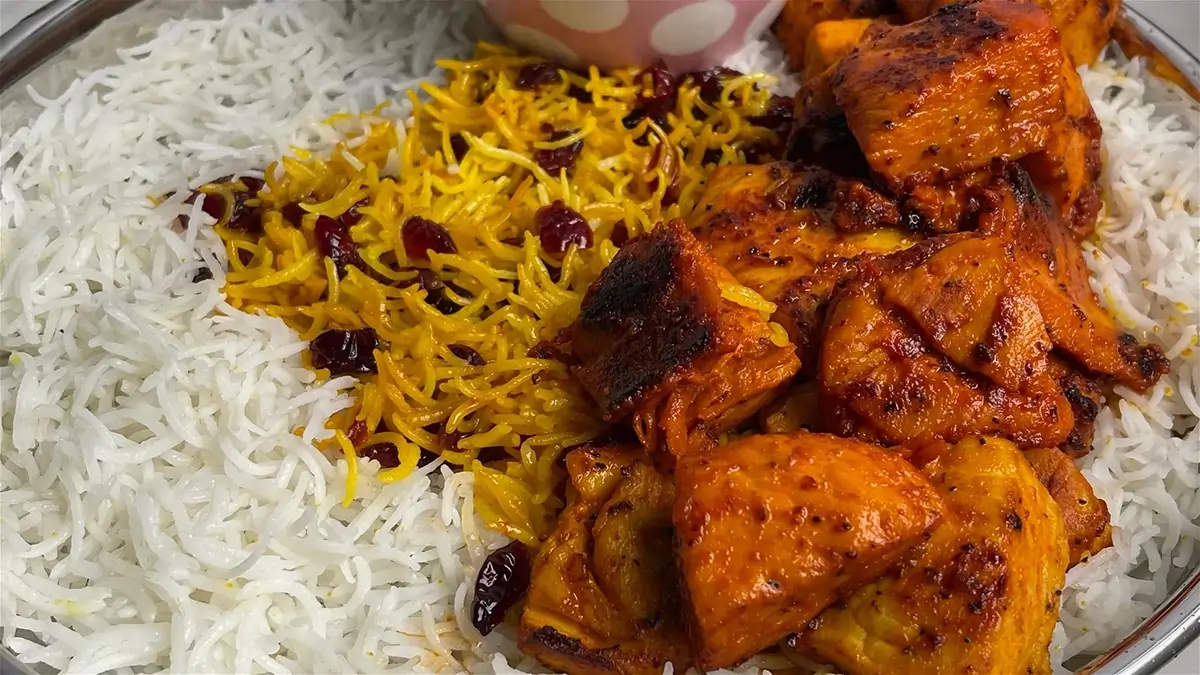
    what to serve with joojeh kabab

    Serving Joojeh Kabab isn’t just about the grilled chicken itself—it’s about creating a well-balanced Persian meal that highlights both flavor and tradition. In Iran, Joojeh Kabab is rarely served alone. It’s typically accompanied by fluffy saffron rice (chelo), grilled tomatoes, and a symphony of fresh herbs (sabzi khordan) for a truly authentic experience. Alongside, you might also find soft lavash or sangak bread, tangy pickled vegetables (torshi), and creamy yogurt.

    These sides add color, texture, and the famous balance of tastes that’s at the heart of Iranian cuisine, making your Joojeh Kabab meal feel like a celebration—just as it does in homes across one of the oldest countries in the world.

    In Iran, a meal is never just one dish. The sides and extras complete the experience and show why Persian hospitality is famous:

    • Persian Rice (Chelo): Fluffy, aromatic rice is the classic base for kabobs. For a treat, make “tahdig” (the crispy bottom layer).
    • Grilled Tomatoes and Green Peppers: Grill veggies alongside the chicken for extra color and smoky flavor.
    • Fresh Herbs (“Sabzi Khordan”): Basil, mint, tarragon, and parsley add freshness and cleanse the palate.
    • Yogurt Dip (Mast-o-Khiar): A cool dip with cucumber and mint keeps the meal refreshing.
    • Flatbreads: Serve with sangak or lavash, classic breads from the region.
    • Sumac: This tangy spice is sprinkled on kabobs right before eating—don’t skip it!
    • Mix and Match: Pair Joojeh Kabab with Kabab Koobideh or a serving of Fesenjan to explore the wide range of Iran’s most popular dishes.

    In conclusion…

    Making Joojeh Kabab at home is more than simply preparing a meal—it’s a chance to experience the warmth, flavors, and centuries-old traditions of Iranian cuisine right in your own kitchen. This beloved Persian dish, with its tender saffron- and yogurt-marinated chicken, invites you to savor every bite and share meaningful moments with friends or family, just as Iranians do around their tables.

    By learning the secrets of marination, blooming saffron, and grilling, you’re not just following a recipe—you’re welcoming the spirit of hospitality and cultural richness from the oldest countries in the world into your life. Whether you’re new to Persian food or a long-time fan of dishes like Kabab Koobideh and Fesenjan, Joojeh Kabab is a delicious way to begin, bringing people together and creating lasting, flavorful memories.

    FAQs

    1. Is Joojeh Kabab the same as Kabab Koobideh?

    No, Joojeh Kabab uses marinated chicken pieces, while Kabab Koobideh is made with seasoned ground meat, usually lamb or beef.

    1. Why does everyone talk about saffron in Persian cooking?

    Saffron is key in many famous dishes from one of the oldest countries in the world, giving food its beautiful color and unique aroma.

    1. Can I cook Joojeh Kabab in the oven if I don’t have a grill?

    Yes! Use your oven’s broiler or a grill pan for great results.

    1. Is Joojeh Kabab spicy?

    Not at all—its flavor comes from saffron, lemon, and onion, not hot chilies.

    1. What other Iranian popular dishes should I try?

    Definitely try Fesenjan, Ghormeh Sabzi, and Kabab Koobideh to explore the diversity of Persian cuisine.

    1. Can I make Joojeh Kabab ahead of time?

    Yes, you can marinate it a day ahead. Grill just before serving for the freshest taste!


  • 8 Persian deserts you don’t want to miss

    Iranian cuisine, deeply rooted in the traditions of one of the oldest countries in the world, is celebrated for its vibrant flavors, aromatic spices, and artful presentation. While savory dishes like Kabab Koobideh (grilled minced meat kebabs) and Ghorme Sabzi (herb and meat stew) often steal the spotlight, Persian desserts are an equally integral part of Iranian culture, offering a sensory experience that reflects the nation’s heritage, hospitality, and creativity.

    These sweets, infused with poetic elegance and historical significance, showcase the ingenuity of Iranian famous figures like chefs, poets, and artisans who have shaped the country’s culinary legacy. In this comprehensive exploration, we’ll dive into the history, ingredients, regional variations, cultural significance, and modern adaptations of Persian desserts, weaving in the essence of Iranian cuisine and the enduring spirit of one of the oldest countries in the world.

    A Historical Sweet Journey Rooted in Iranian Culture

    Iran’s culinary traditions trace back to the Achaemenid Empire (550–330 BCE), a period when Persia was a global hub along the Silk Road. This strategic position facilitated the exchange of ingredients like saffron, pistachios, and rosewater, which became cornerstones of Iranian cuisine.

    Persian desserts, were born from this rich cultural tapestry, blending local abundance with influences from India, China, and the Mediterranean. Iranian culture revered food as an art form, with sweets playing a central role in Zoroastrian rituals, seasonal festivals like Nowruz (Persian New Year), and royal banquets during the Safavid dynasty (1501–1736).

    Iranian famous figures like the poet Rumi, whose verses often drew parallels between food and spiritual nourishment, and medieval scholars like Avicenna, who documented the medicinal properties of ingredients like saffron, indirectly shaped the evolution of Persian desserts.

    These sweets were not just indulgences but symbols of abundance, joy, and community, served during celebrations, weddings, and even memorials. Today, they remain a testament to Iran’s enduring legacy as one of the oldest countries in the world, preserving recipes that have delighted palates for millennia.

    The Essence of Persian Desserts: Ingredients and Philosophy

    The philosophy of Iranian cuisine, including its desserts, emphasizes balance—flavors that harmonize without overwhelming, textures that contrast, and presentations that reflect the aesthetic sensibilities of Iranian culture. Persian desserts combine sweet, tart, and aromatic elements. Key ingredients include:

    • Saffron: Known as “red gold,” this spice, harvested in Iran’s Khorasan region, imparts a golden hue and earthy flavor, used in desserts.
    • Rosewater and Orange Blossom Water: Floral essences that evoke Persian gardens, adding a poetic touch to sweets.
    • Nuts: Pistachios, almonds, and walnuts provide crunch and richness, often ground or slivered, mirroring their use in savory Iranian dishes.
    • Spices: Cardamom and cinnamon add warmth
    • Sweeteners: Honey and sugar syrups, often infused with aromatics, create a glossy finish, akin to the glazes used in some Persian rice dishes.
    • Flours: Rice flour, chickpea flour, and wheat flour form delicate bases, similar to the starches in some Iranian cuisine recipes.
    • Fruits: Pomegranates, dates, and barberries add tartness.
    • Dairy: Milk and cream, often thickened with salaab (orchid root extract), lend creaminess, a nod to the richness of Persian stews.

    This balance reflects the ingenuity of Iranian famous figures like traditional chefs who perfected recipes over centuries, ensuring that desserts, like savory dishes, embody the harmony central to Iranian culture.

    Iconic Persian Desserts

    Let’s explore some of the most beloved Persian desserts, their preparation, regional variations, and their role in Iranian culture.

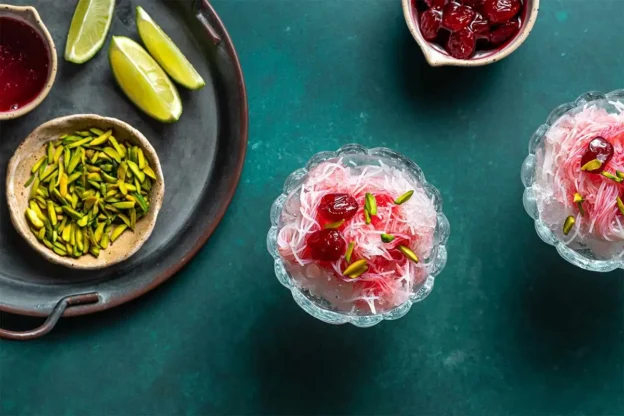
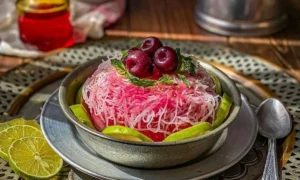
    1. Faloodeh: A Refreshing Legacy

    Faloodeh

    Faloodeh, one of the world’s oldest frozen desserts, hails from Shiraz, a city celebrated in Iranian culture for its poetry and gardens. This sorbet-like treat, predating ice cream, features thin rice or starch noodles soaked in a chilled syrup of sugar, rosewater, and saffron, often served with lime juice or sour cherry syrup.

    • Texture and Flavor: The chewy noodles contrast with the icy, floral-tart syrup, offering a lightness akin.
    • Cultural Significance: In Iranian culture, faloodeh is a summer favorite and a Nowruz staple, symbolizing renewal. Its ancient origins tie it to one of the oldest countries in the world.
    • Preparation: Rice vermicelli is cooked, chilled, and mixed with a syrup of sugar, water, rosewater, and saffron. The mixture is frozen until slushy and served with tangy toppings.
    • Regional Variations: Shiraz’s faloodeh is tart and minimalist, while Yazd’s may include mint or fruit infusions, reflecting the diversity of persian dishes.

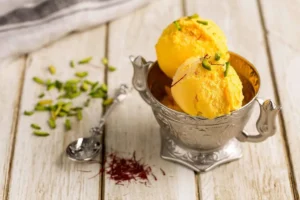
    Bastani Irani

    Bastani, or saffron ice cream, is a creamy delight infused with saffron, rosewater, and pistachios, with a stretchy texture from salaab. Often served with faloodeh or between wafers, it’s a luxurious treat.

    • Texture and Flavor: Creamy yet chewy, with saffron’s warmth and pistachios’ crunch.
    • Cultural Significance: Bastani is a nostalgic dessert in Iranian culture, evoking childhood memories and festive gatherings. Its saffron ties it to Iran’s agricultural heritage as the oldest country in the world.
    • Preparation: Milk is heated with sugar, saffron, rosewater, and salaab, then churned and folded with pistachios before freezing.
    • Modern Twists: Chefs inspired by Iranian famous figures like modern culinarians add flavors like cardamom or vanilla.
    1. Halva: A Symbolic Sweet

    Halva

    Persian halva, made from toasted wheat flour, butter, sugar, and rosewater, is a fudge-like confection distinct from sesame-based versions.

    • Texture and Flavor: Smooth and rich, with cardamom’s warmth.
    • Cultural Significance: In Iranian culture, halva is served at funerals and religious ceremonies, symbolizing remembrance. Its shared preparation reflects the communal spirit of the oldest country in the world.
    • Preparation: Flour is toasted in butter, mixed with a sugar-rosewater syrup, and garnished with nuts.
    • Regional Variations: Bushehr’s halva may include dates, while Tabriz’s is denser, showcasing Iranian cuisine’s diversity.
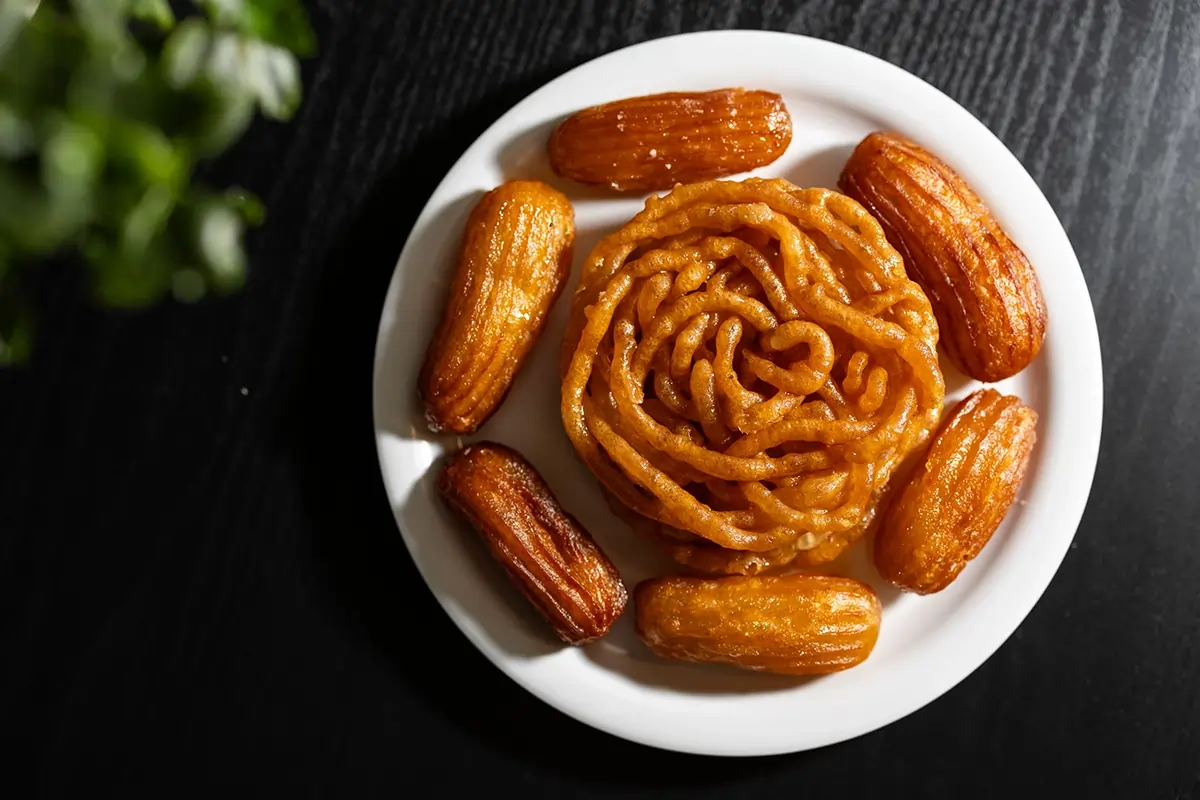
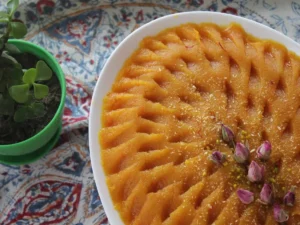
    1. Zoolbia and Bamieh: Festive Fritters

    zoolbia bamieh

    Zoolbia (lacy fritters) and bamieh (cylindrical doughnuts) are deep-fried pastries soaked in saffron-rosewater syrup, akin to the glossy finishes in some Iranian cuisine dishes.

    • Texture and Flavor: Crispy yet syrupy, with floral notes.
    • Cultural Significance: A Ramadan staple in Iranian culture, these sweets are shared during iftar, reflecting hospitality.
    • Preparation: A flour-starch-yogurt batter is fried in intricate shapes or logs, then soaked in warm syrup.
    • Regional Variations: Isfahan’s zoolbia is crispier, while Mashhad’s bamieh may include cardamom.
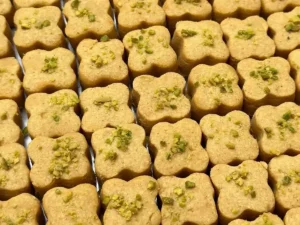
    1. Shirini Nokhodchi: Clover Cookies

    shirini-nokhodchi

    These chickpea flour cookies, flavored with cardamom and topped with pistachios, are a Nowruz favorite.

    • Texture and Flavor: Crumbly and nutty, with a delicate sweetness, they evoke the subtlety of Iranian cuisine.
    • Cultural Significance: Symbolizing prosperity in Iranian culture, these cookies are shared during Persian New Year, tying to the traditions of the oldest country in the world.
    • Preparation: Chickpea flour, sugar, butter, and cardamom are kneaded, shaped into clovers, baked, and garnished.
    • Modern Twists: Some add rosewater, inspired by Iranian famous figures in modern baking.
    1. Sohan: Qom’s Brittle

    Sohan

    Sohan, a toffee-like brittle from Qom, is made with wheat germ, butter, sugar, saffron, and pistachios. 

    • Texture and Flavor: Crisp and buttery, with saffron’s elegance, it’s a luxurious treat.
    • Cultural Significance: A pilgrimage souvenir in Iranian culture, sohan reflects Qom’s spiritual significance.
    • Preparation: Butter, sugar, wheat germ, and saffron are cooked, spread thin, and topped with nuts.
    • Variations: Sohan halva is chewier, showcasing Iranian cuisine’s versatility.
    1. Ranginak: Southern Sweetness

    Renginak

    Ranginak, from southern Iran, features dates stuffed with walnuts, layered in toasted flour and butter, and dusted with cinnamon.

    • Texture and Flavor: Soft dates, crunchy walnuts, and buttery flour create a rich balance.
    • Cultural Significance: A winter favorite in Iranian culture, ranginak fosters family connections.
    • Preparation: Dates are stuffed with walnuts, layered over a flour-butter mixture, and garnished.
    • Regional Variations: Khuzestan adds sesame, reflecting regional Persian cuisine.
    1. Lesser-Known Gems.

    koloocheh

    • Koloocheh: Stuffed cookies from Gilan, filled with walnuts and cinnamon.
    • Sheer Berenj: Rice pudding with rosewater and saffron.
    • Poolaki: Translucent sugar candies from Isfahan, served with tea in Persian culture.
    • Qottab: Yazd’s almond-filled pastries, showcasing the artistry of one of the oldest countries in the world.

    Cultural Significance in Iranian Culture

    Persian desserts are a cornerstone of Iranian culture, embodying hospitality and connection. Sweets like shirini nokhodchi and sohan grace Nowruz tables, symbolizing prosperity. During Ramadan, zoolbia and bamieh unite communities, while halva fosters remembrance at memorials.

    Iranian famous figures like Hafez, whose poetry inspired festive gatherings, indirectly elevated the role of desserts in cultural rituals. As the oldest country in the world, Iran’s dessert traditions reflect a deep respect for heritage and community.

    Regional Diversity and Iranian Cuisine

    Iran’s vast geography shapes its desserts, much like its savory dishes. Northern koloocheh uses local walnuts, southern ranginak highlights dates, and central Isfahan’s poolaki showcases precision. This diversity underscores Iranian cuisine’s richness and the cultural mosaic of one of the oldest countries in the world.

    Modern Adaptations and Global Influence

    Modern chefs, inspired by Iranian famous figures like cookbook authors Ariana Bundy and Najmieh Batmanglij, are reimagining Persian desserts. Faloodeh-inspired sorbets now feature mango, while bastani appears in gelato form. The Persian diaspora has introduced these sweets to cities like Los Angeles and Toronto, where bakeries serve zoolbia. Social media amplifies their global appeal, with vibrant images of saffron-hued sweets captivating foodies.

    Recipes to Try at Home

    Faloodeh

    • Ingredients: 1 cup rice vermicelli, 1 cup sugar, 2 cups water, 1/4 cup rosewater, 1 tsp saffron, lime juice.
    • Instructions:
    1. Cook vermicelli for 2–3 minutes, rinse in cold water.
    2. Boil sugar, water, rosewater, and saffron to make syrup; cool.
    3. Mix noodles with syrup, freeze for 2–3 hours, stirring for a slushy texture.
    4. Serve with lime juice, inspired by Iranian cuisine’s tangy notes.
    • Tip: Use a sieve for homemade noodles, a nod to the oldest country in the world.

    Shirini Nokhodchi

    • Ingredients: 2 cups chickpea flour, 1 cup powdered sugar, 1 cup butter, 1 tsp cardamom, pistachios.
    • Instructions:
    1. Mix flour, sugar, and cardamom.
    2. Knead in butter, shape into clovers, and top with pistachios.
    3. Bake at 325∘F325^\circ F325∘F (163∘C163^\circ C163∘C) for 15–20 minutes.
    4. Cool and serve, reflecting Iranian culture’s elegance.

    Note: Consult a professional for precise techniques, especially for deep-frying or saffron use, as in Iranian cuisine.

    Conclusion

    Persian desserts, are a vibrant expression of Iranian cuisine and Iranian culture. From faloodeh’s icy refreshment to sohan’s buttery crunch, they embody the artistry of the oldest country in the world. Influenced by Iranian famous figures and centuries of tradition, these sweets invite you to savor Iran’s heritage. Whether shared at a Nowruz feast or enjoyed globally, Persian desserts are a delicious bridge across time and culture.

    FAQs About Persian Desserts

    1. What makes Persian desserts unique in Iranian culture?

      They blend floral, nutty, and spiced flavors, reflecting Iran’s ancient culinary heritage and hospitality.

    2. What are common ingredients in Persian desserts?

      Saffron, rosewater, pistachios, almonds, cardamom, and dates are staples.

    3. What is Faloodeh, and why is it popular?

      Faloodeh is a chilled dessert of rice noodles in rosewater-saffron syrup, loved for its refreshing taste in Iranian cuisine.

    4. How do Persian desserts tie to Iranian festivals?

      Desserts like shirini nokhodchi are served during Nowruz, symbolizing prosperity in the oldest country in the world.

    5. Are there regional variations in Persian desserts?

      Yes, Shiraz’s faloodeh is tart, while Yazd’s qottab is nut-filled, showcasing Iranian cuisine’s diversity.

    6. How have Iranian famous figures influenced desserts?

      Poets like Rumi and modern chefs like Najmieh Batmanglij have inspired their cultural and culinary significance.


  • How to Cook Tahchin Morgh (Persian Saffron Rice Cake)

    Looking for a Persian dish that’s both impressive and comforting? Tahchin Morgh, the beloved Persian saffron rice cake filled with juicy chicken, is a culinary masterpiece that’s actually simple to make with a bit of patience and the right technique. If you’ve ever marveled at the golden, crunchy crust and fragrant layers served at Iranian celebrations, it’s time to bring that magic to your own kitchen! 

    In this guide from abhavij, we’ll explore not just how to prepare Tahchin Morgh, but also its background, tips for acing the famous “Tahdig” (that crispy crust!), serving suggestions, and troubleshooting common problems.

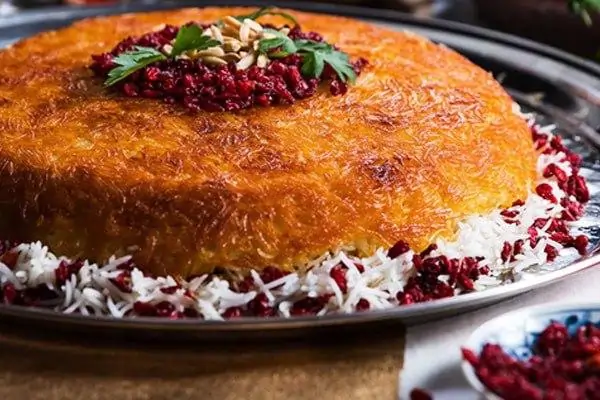
    Tahchin Morgh is a traditional Persian saffron rice cake layered with tender chicken, yogurt, and eggs, then baked to create a fragrant, golden crust (called tahdig). It’s celebrated for its beautiful appearance, aromatic flavors, and the signature crispy bottom that makes it a centerpiece of Iranian cuisine.

    What is Tahchin Morgh?

    Tahchin means “arranged at the bottom”—and what an arrangement it is! The dish is a striking golden rice “cake” layered with marinated chicken, all infused with saffron and baked until the bottom is crispy—a delicacy known as tahdig. The classic version, Tahchin Morgh, uses chicken (“morgh” in Persian), though there are variations with lamb, eggplant, and more.

    It’s both a main dish and a showpiece, perfect for sharing at family gatherings, parties, or special occasions. When you invert it onto a platter, the beautiful crispy layer on top is guaranteed to wow your guests.

    Ingredients (Serves 4–6)

    Tip: Quality matters! Persian cooking is all about subtle flavors, so use the freshest, best-quality ingredients you can find, especially saffron.

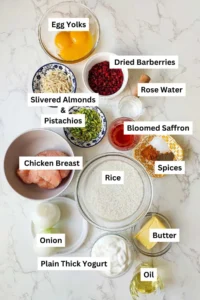
    Tahchin-Morgh-Ingredients

    For the Chicken:

    • 2 large boneless, skinless chicken breasts or thighs
    • 1 medium onion, roughly chopped
    • 1 tsp turmeric powder
    • 1 tsp salt
    • 1/2 tsp black pepper
    • 1/2 tsp ground cinnamon (optional)
    • 2 tbsp. vegetable oil

    For the Rice Cake:

    • 2 cups basmati rice (Persian or Indian)
    • 1 cup thick plain yogurt (Greek-style ideal)
    • 2 large eggs (room temperature)
    • 1/2 tsp ground saffron, crumbled and dissolved in 2–3 tbsp hot water
    • 4 tbsp. vegetable oil or melted unsalted butter (or a combination)
    • Salt, to taste

    Optional Garnish:

    • 2–3 tbsp. dried barberries (zereshk) or dried cranberries, rinsed
    • 1 tbsp. butter
    • 1 tsp sugar
    • Slivered pistachios or almonds

    Equipment You’ll Need

    • Nonstick round baking dish or cake pan (9-inch/23-cm works well), or a nonstick pot with a lid
    • Large mixing bowls
    • Saucepan for boiling rice
    • Fine-mesh strainer or colander
    • Skillet (for chicken and garnishes)

    Step 1: Prepare the Chicken

    1. Marinate and Cook Chicken

    In a skillet or saucepan, heat 2 tbsp. oil and sauté the onions until soft and golden. Add the chicken, turmeric, cinnamon (if using), salt, and pepper. Sear both sides for a few minutes.

    Add enough water to cover halfway, cover with a lid, and let simmer gently for 25–30 minutes, until the chicken is tender and nearly all liquid absorbed.

    1. Shred & Save Broth

    Remove chicken to a plate and shred or cut into bite-sized strips. Reserve about 3 tbsp. of the cooking liquid (the broth) for later.

    Pro Tip: You can prepare the chicken a day in advance; chilled, shredded chicken works perfectly.

    Step 2: Parboil the Rice

    1. Rinse the Rice

    Place rice in a large bowl. Wash under cold water, swirling gently and draining, until water runs clear (this removes excess starch and prevents sticky rice).

    1. Parboil the Rice

    In a large pot, bring at least 6 cups of salted water to a rolling boil. Add rinsed rice and stir. Boil for 6–7 minutes: grains should be soft on the outside but still firm in the center (al dente).

    Drain immediately in a colander and rinse with lukewarm water to stop further cooking.

    Tip: Don’t overcook the rice at this stage! It will finish cooking in the oven.

    Step 3: Make the Tahchin Mixture

    1. Infuse Saffron

    Lightly crush the saffron threads and dissolve in several tablespoons of very hot (but not boiling) water. Allow the color and aroma to bloom for a few minutes.

    1. Prepare the Yogurt Base

    In a large mixing bowl, whisk together the yogurt, eggs, 2 tbsp. of the oil or butter, and saffron water. Add 1–2 tsp salt; taste and adjust if needed.

    1. Mix Rice and Broth

    Add the drained rice to the saffron-yogurt mixture. Toss gently to coat every grain. Add the reserved chicken broth—this enhances flavor and helps bind the rice.

    Step 4: Assemble the Tahchin

    1. Preheat oven to 180°C (350°F). Grease your nonstick dish liberally with remaining oil or butter.
    2. Spoon about half (or slightly more) of the rice mixture into the base of your dish. Smooth and firmly press with the back of a spoon to form a dense, even layer—this is key for the crust!
    3. Arrange the shredded chicken evenly on top, leaving a border so the chicken doesn’t touch the pan directly (to avoid burning).
    4. Top with the remaining rice mixture and press down well again.

    Optional: For the most authentic crust, you can drizzle a bit more melted butter or oil around the edges before baking.

    Step 5: Bake & Unmold

    1. Cover Tightly

    Cover the dish tightly with aluminum foil (or the lid, if using a pot).

    1. Bake

    Bake for 60–90 minutes. For an extra crisp crust, uncover and bake for the last 15 minutes. The longer the bake (without burning), the crunchier your tahdig will be!

    1. Cool Slightly & Invert

    Remove from oven and let rest for 10–15 minutes (important for easy unmolding).

    Run a knife around the edge, place a large plate over the dish, and carefully flip to invert. Gently lift the dish off to reveal the golden crust on top.

    Step 6: Garnish (Optional but Beautiful!)

    1. Melt 1 tbsp. butter in a small pan.
    2. Add rinsed barberries (or cranberries), sauté briefly, add 1 tsp sugar, and toss until berries are glossy and plump.
    3. Sprinkle these, along with toasted slivered nuts, over your Tahchin.

    Serving Suggestions

    Tahchin Morgh is best served hot and fresh, with sides that balance its richness:

    • Mast-o-khiar (yogurt with cucumber and mint)
    • Shirazi salad (chopped tomato, cucumber, onions, and herbs)
    • Pickled vegetables (torshi)
    • Extra plain yogurt or a slice of lime on the side

    Tips for Perfect Tahchin Morgh

    tips for Tahchine morgh

    • Saffron Quality: A small amount of high-quality saffron makes a big difference. Always bloom in hot water to release maximum aroma and color.
    • Eggs: They bind the rice and create the cake structure. Don’t skip them.
    • Crust: The magic is in pressing the rice down and using enough oil/butter along the base and sides.

    Troubleshooting to cook Tahchine Morgh:

    • Rice isn’t coming out of the pan cleanly?

    Let it cool a bit longer, and run a thin spatula around the edge to loosen before inverting.

    • Crust not crispy enough?

    Next time, increase bake time or the amount of oil/butter in the base.

    • Tahchin fell apart when flipping?

    Try pressing down the layers more firmly next time, and make sure all excess moisture is absorbed.

    Final Thoughts

    Making Tahchin Morgh is more than just preparing dinner—it’s an act of Persian hospitality and artistry. Don’t worry if your first attempt isn’t perfect; the flavors will still transport you straight to Iranian culture! With time, you’ll perfect that golden tahdig crust and might even start experimenting with your own fillings.

    Enjoy your Persian saffron rice cake and share a slice of Persia at your next meal!

    FAQs about “How to cook Tahchin-e Morgh”:

    • Can I make Tahchin vegetarian?

    Absolutely! Replace chicken with roasted eggplant, mushrooms, or just use the rice mixture for a classic saffron rice cake.

    • Can I cook it on the stovetop?

    Yes—use a thick-bottomed nonstick pot, cover tightly, and cook over low heat for 45–60 minutes.

    • Can I prepare ahead?

    Tahchin Morgh reheats well! Cover with foil and re-warm in a low oven.


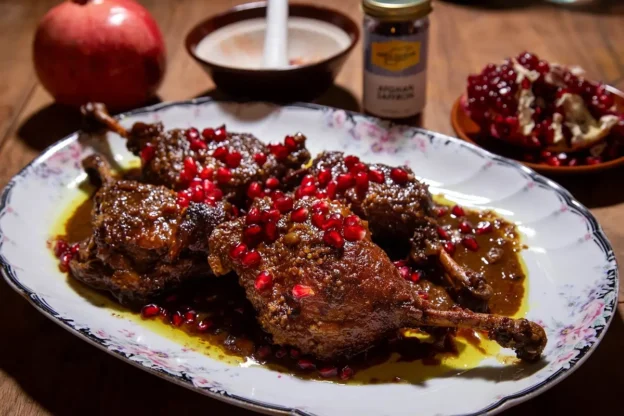
  • How to Cook “Khoresht-e-Fesenjoon”(Persian traditional dish)

    Khoresht-e-Fesenjoon is a delicious and unique stew, known as a luxury meal between Iranian dishes, and is also known for its depth of flavor, striking appearance, and cultural significance. This Iranian dish blends walnuts and pomegranate to create a rich, tangy, and slightly sweet experience. In this guide, we’ll walk you through all you need to know about Fesenjoon, from its history to its recipe, cooking tips, and the perfect accompaniments.

    History of Fesenjoon

    Fesenjoon, sometimes spelled as Fesenjan, has its roots in the northern regions of Iran, especially around Gilan and Mazandaran. It dates back to the ancient Persian Empire, where walnuts and pomegranate were abundant and highly valued. The stew was traditionally served during festive occasions and has remained a culinary masterpiece in modern Iranian cuisine.

    Why is Fesenjoon Famous?

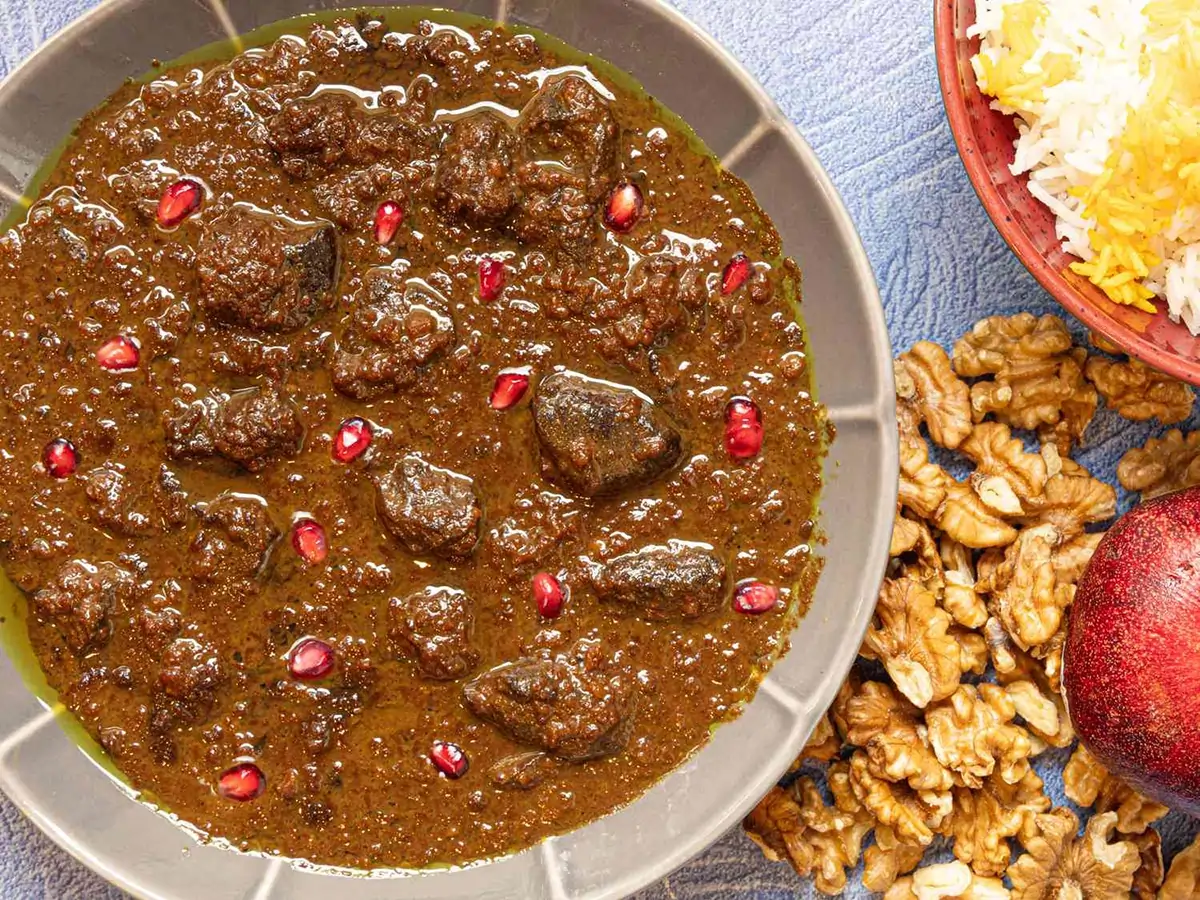
    Fesenjoon’s fame comes from its unique flavor profile and visual appeal. Unlike any Ghorme Sabzi, its combination of ground walnuts and pomegranate molasses creates a savory dish that’s both nutty and fruity. Its deep, mahogany color and velvety texture make it a centerpiece at Persian feasts. The dish is also often associated with celebration and family gatherings which is a big deal in Persian culture, adding a layer of nostalgia and significance.

    Ingredients

    Fesenjoon-Ingredients

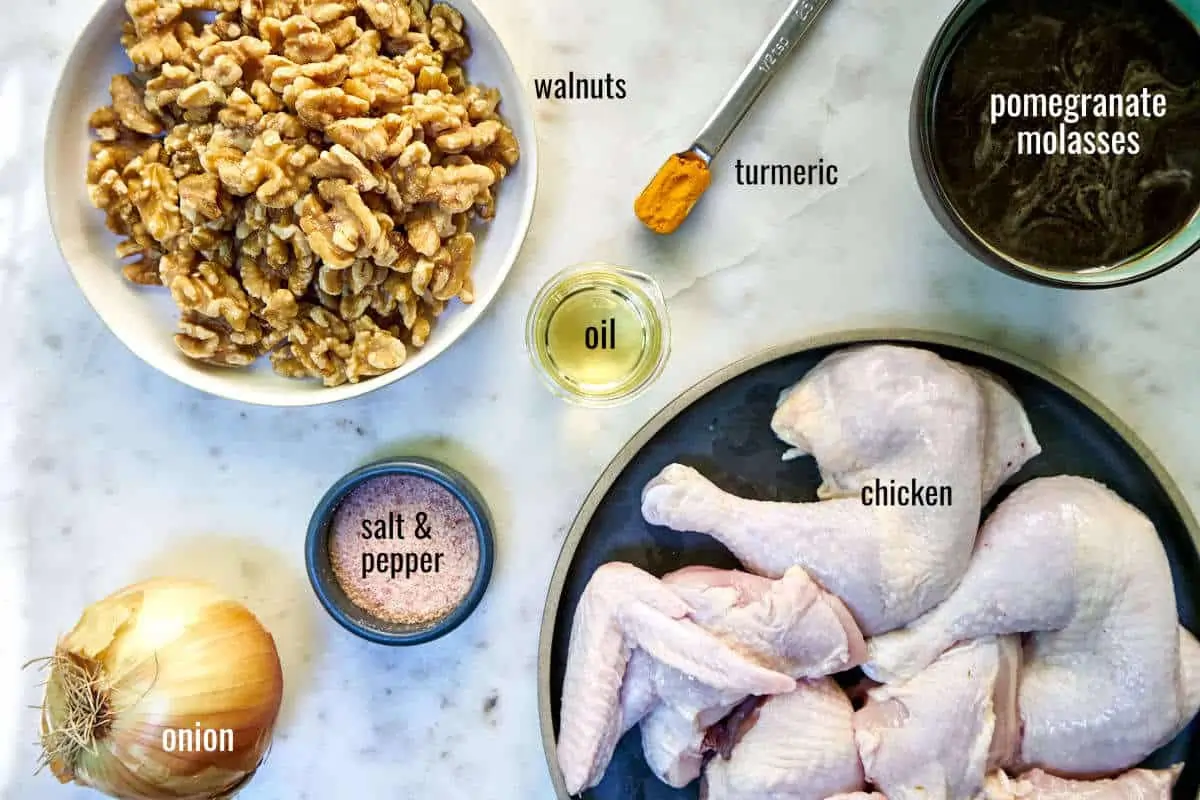
    The classic ingredients for authentic Khoresht-e-Fesenjoon are:

    • Chicken pieces (alternatively, duck or meatballs)
    • Walnuts, finely ground (about 300g for 4 people)
    • Pomegranate molasses (about 1/2 to 1 cup, depending on your taste)
    • Onion, one large, finely chopped
    • Water (enough to cover the ingredients)
    • Salt and pepper, to taste
    • Turmeric (optional, for extra flavor)
    • Sugar (optional, to balance tartness)
    • Cooking oil (for sautéing)

    How to Cook Khoresht-e-Fesenjoon

    Fesenjan stew

    Step 1: Prepare the Walnuts

    • Grind the walnuts in a food processor until they become a fine, almost peanut-buttery paste.

    Step 2: Sauté the Onion and Chicken

    • In a large pot, heat some oil and sauté the chopped onion until golden.
    • Add the chicken pieces, salt, pepper, and a pinch of turmeric, and brown on all sides.

    Step 3: Add Walnuts

    • Add the ground walnuts to the pot. Stir continuously to prevent sticking and let the oil from the walnuts release.

    Step 4: Add Water and Simmer

    • Pour enough water to cover the ingredients. Bring to a gentle simmer. Cover and let it cook for about 1 hour, stirring occasionally.

    Step 5: Add Pomegranate Molasses

    • Add the pomegranate molasses gradually, tasting as you go. Simmer for another hour, allowing the stew to darken and thicken.

    Step 6: Adjust Flavor

    • Taste your Fesenjoon. If it’s too tart, add sugar to balance it. If too thick, thin with a little water; if too watery, continue simmering uncovered.

    Step 7: Serve

    • Once the oil from the walnuts appears on top and the stew is a deep brown, it’s ready to serve.

    Tips to Cook Fesenjoon

    • Quality Walnuts: Fresh, high-quality walnuts make all the difference.
    • Low and Slow: Simmer the stew slowly to develop flavor and achieve the right texture.
    • Taste as You Go: The tartness of pomegranate molasses can vary, so taste and adjust sweetness.
    • Resting Time: Fesenjoon tastes even better the next day after the flavors meld.

    What to Serve Beside Fesenjoon?

    Khoresh-e-Fesenjan

    Fesenjoon is traditionally served over Persian saffron rice (chelow). Popular sides include:

    • Sabzi khordan (fresh herbs)
    • Torshi (pickled vegetables)
    • Yogurt with cucumber or mint
    • Lavash or other Iranian breads

    Is Fesenjoon Healthy?

    Fesenjoon is relatively healthy, especially if made with minimal oil and chicken instead of fattier meats. Walnuts provide healthy fats and omega-3s, while pomegranate brings antioxidants. Be mindful of the sugar content if you’re watching your intake, and enjoy this dish as part of a balanced diet.

    In summary…

    Khoresht-e-Fesenjoon is a showstopper on any Persian table. Its blend of flavors, historical significance, and versatility make it a must-try for any home cook interested in world cuisine. Give this recipe a try and experience the taste of Iranian tradition!


  • How to Cook Kabab Koobideh (Persian Recipe)

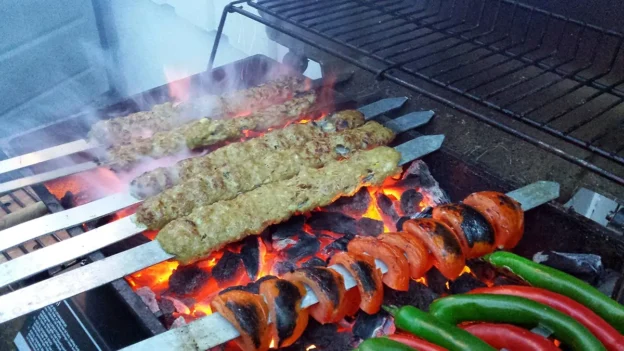
    If you’ve ever strolled past a Persian grill or dined at an Iranian celebration, you’ve likely been enchanted by the scent of smoky, spiced meat sizzling over open flames. That irresistible aroma? It’s almost certainly Kabab Koobideh—one of the crown jewels of Persian cuisine. This dish isn’t just food; it’s an experience that combines centuries of history, precise technique, and deeply satisfying flavors. Whether you’re a seasoned home chef or just beginning your culinary journey, learning to prepare Kabab Koobideh is a delicious way to impress both your friends and your own taste buds. Read on to discover what makes this kebab so special, how to master it at home, and where to find the best Koobideh in Europe!

    Kabab Koobideh is a celebrated Persian dish made from seasoned ground beef or lamb, finely grated onions, and delicate spices, expertly molded onto wide, flat skewers and grilled over open flames to create irresistibly juicy, aromatic kebabs that are cherished at every Iranian table.

    What is Kabab Koobideh?

    Kabab Koobideh is a beloved Iranian dish made from ground meat—usually beef, lamb, or a mix of both—mixed with onion and a handful of carefully selected spices. The name “Koobideh” derives from the Persian word “koobidan,” meaning “to beat” or “to pound,” referencing the traditional method of preparing the meat. Unlike many kababs that use chunks of meat, Koobideh is shaped around wide, flat skewers and grilled to perfection. Its signature texture is tender and juicy, bursting with savory depth, and it’s often served alongside fluffy Persian rice, grilled tomatoes, and fresh herbs.

    The History of Kabab Koobideh

    Kabab Koobideh is more than just a meal; it is a symbol of Persian hospitality and culture. Its origins date back hundreds of years, believed to have evolved from the ancient traditions of grilling meat over open fires—a technique shared by various cultures along the Silk Road. Over time, Iranian chefs elevated the recipe by perfecting the grind and mixing of meats, and by introducing onions and subtle seasonings to enhance flavor and tenderness.

    Today, Koobideh is a cornerstone of Iranian gatherings, from Sunday family meals to the lavish feasts of Nowruz (Persian New Year), and is celebrated as a dish that brings people together across generations.

    What Are the Nutrition Facts of Kabab Koobideh?

    When it comes to nutrition, Kabab Koobideh is both hearty and wholesome, particularly when paired with vegetables and rice. Here’s a closer look at its nutritional profile (amounts vary depending on recipe and serving size):

    • Protein: High, owing to generous portions of beef or lamb—great for muscle health and satiety.
    • Fat: Medium to high, especially when using lamb or beef with some fat, which contributes to its juiciness and flavor.
    • Carbohydrates: Very low in the kabab itself, making it appealing for low-carb diets (though traditionally served with rice or bread).
    • Micronutrients: Rich in iron, zinc, B vitamins (from the meat), and vitamin C and antioxidants (from onions and herbs).

    A typical skewer (about 150 grams cooked) provides roughly:

    • Calories: 250–350 kcal
    • Protein: 20–25g
    • Fat: 18–25g
    • Carbs: 1–2g (excluding rice/bread)

    When enjoyed as part of a balanced meal, Kabab Koobideh is both indulgent and nutritious.

    How to Cook Kabab Koobideh in the Persian Way

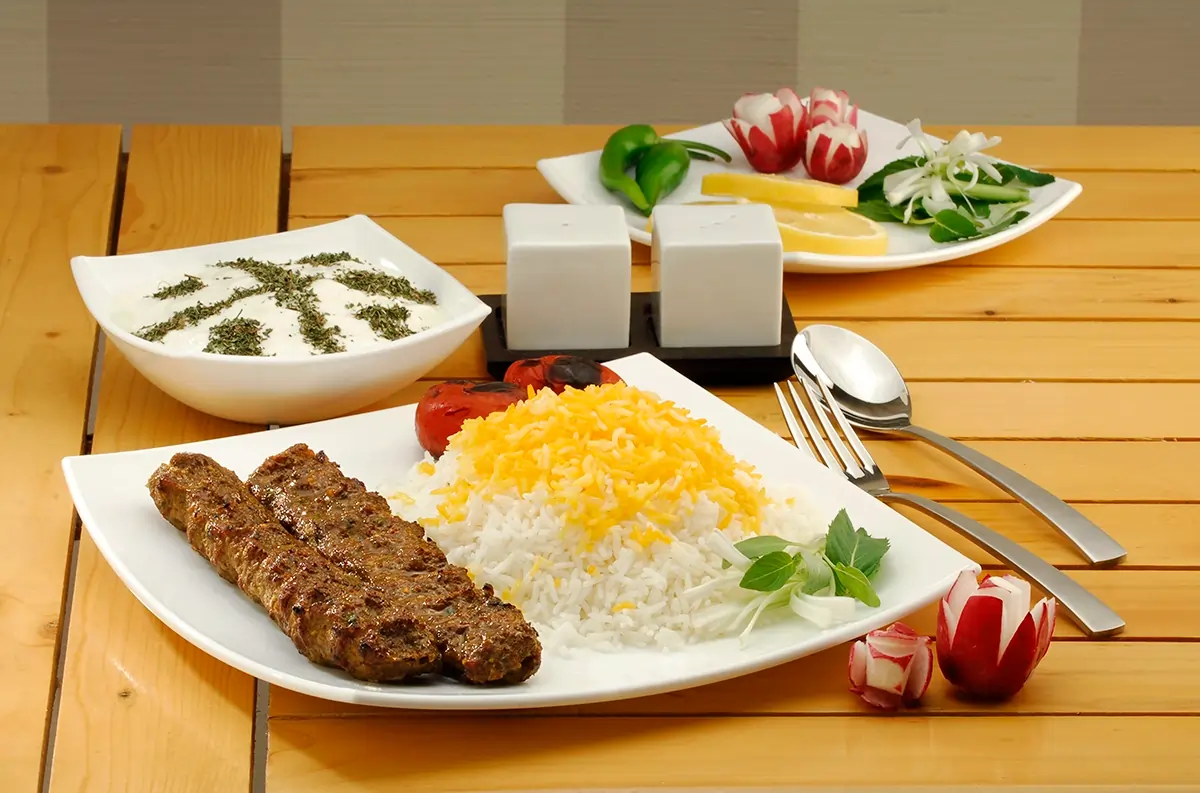
    Koobideh with Rice

    Ingredients

    Traditional Kabab Koobideh

    • 500g ground beef or lamb (or a 50/50 blend), ideally with 20% fat for juiciness
    • 1 large onion (grated and well-drained)
    • 1.5 teaspoons salt
    • 1 teaspoon black pepper
    • ½ teaspoon turmeric
    • Flat metal skewers (essential for authentic results)

    Optional:

    • Pinch of sumac (for serving)
    • Saffron water or melted butter (for basting)
    • Grilled tomato, rice cake(Tahdig), or flatbread (for serving)

    Essential Seasonings:

    • Salt

      Brings out the meat’s natural flavors and helps with texture.

    • Black Pepper

      For mild heat and depth.

    • Onions

      Finely grated onions are absolutely crucial—they add moisture, natural sweetness, aroma, and help bind the meat. The onion is usually grated, excess juice squeezed out, and mixed thoroughly with the ground meat.

    • Turmeric

      Used in many Iranian recipes, turmeric gives a light earthy flavor and a subtle golden hue.

    Optional (But Common and Authentic) Extras:

    • Sumac

      A tangy, lemony spice often sprinkled on top after grilling, not usually mixed in.

    • Saffron

      Sometimes a little saffron water is brushed on during or after grilling for distinct aroma and rich color.

    Some modern recipes might add mild spices like paprika or even garlic powder, but classic koobideh usually sticks to the above list to keep the flavor true to Persian roots.

    Summary Table:

    Seasoning Role in Koobideh
    Salt Essential for taste
    Black pepper Depth, gentle heat
    Onion Aroma, moisture, binder
    Turmeric Color, subtle aroma
    Sumac (serving) Tangy finish
    Saffron (optional) Fragrance, rich color

    Recipe to cook Kabab Koobideh

    1. Prepare the Onion:

    Grate the onion and squeeze out as much juice as possible. This step is crucial; too much moisture will cause the kababs to fall off the skewers.

    1. Mix the Meat:

    In a large bowl, combine ground meat, grated onion, salt, pepper, and turmeric. Knead the mixture by hand for at least 5–8 minutes, until it’s sticky and slightly elastic. This helps the kabab hold together during grilling.

    1. Chill the Mixture:

    Cover and refrigerate the meat mixture for at least 1 hour (overnight is even better). This allows flavors to meld and the mixture to firm up.

    1. Shape the Kababs:

    With wet hands, take a handful of the mixture and shape it around a flat metal skewer, making a long, flat kabab about 2 cm thick. Make sure it’s evenly distributed and pressed tightly against the skewer.

    1. Grill:

    Preheat your charcoal grill or broiler to high heat. Place skewers on the grill, turning once for even char and doneness. Total cooking time should be about 6–8 minutes, or until cooked through with nice brown grill marks.

    1. Baste & Serve:

    As they finish cooking, brush the kababs with saffron water or melted butter. Serve immediately on a bed of hot rice with grilled tomatoes and a sprinkle of sumac.

    Tips and Techniques

    Kabab Koobideh on fire

    • Fat is Flavour: Don’t use extra-lean meat. Proper fat content is key for tenderness and preventing drying.
    • Drain Onions Well: Any excess moisture will prevent the kabab from sticking to the skewer.
    • Knead Well: This step cannot be skipped. A well-kneaded mixture is sticky and elastic, which ensures the kabab won’t crumble.
    • Skewer Size Matters: Use wide, flat metal skewers; thick enough to hold the meat but not too wide to prevent even cooking.
    • Charcoal Prefered: For the best flavor, use a charcoal grill. If not possible, use a hot broiler or grill pan.
    • Serving Suggestion: Serve with “chelow” (Persian saffron rice), grilled vegetables, and “sabzi khordan” (a plate of fresh herbs like basil, mint, and tarragon).

    Where to Find Best Kabab Koobideh in America?

    Kabab Koobideh

    If you’re craving authentic Kabab Koobideh in the United States, you’ll find some of the best versions in cities with vibrant Persian communities and celebrated Middle Eastern restaurants.

    Los Angeles, especially the neighborhoods of Westwood, known as “Tehrangeles,” and Glendale—offers an impressive array of Persian restaurants, such as Tehrano grill, Shamshiri Grill, Raffi’s Place, and Sofreh, each renowned for their flavorful, expertly grilled koobideh.

    In New York City, spots like Ravagh Persian Grill and Colbeh consistently earn praise for their traditional kabab.

    You’ll also find excellent Kabab Koobideh in Washington, D.C. (try Moby Dick House of Kabob), Chicago (visit Reza’s Restaurant), and Houston (don’t miss Kasra Persian Grill and Bijan Persian Grill).

    These restaurants focus on authentic techniques, high-quality meats, and classic presentations, ensuring you’ll experience the delicious taste of true Persian Kabab Koobideh right in America.

    Tip: Always look for family-operated restaurants or those with Iranian chefs for the most genuine flavor.

    The most common challenge to grill Koobideh:

    How do you keep the meat from falling off the skewers

    A common struggle is getting the meat to consistently adhere well to the skewers, despite successful seasoning and flavor. Home cooks often seek advice on mixing, meat-to-fat ratio, and technique to make sure kabobs don’t fall apart while grilling.

    What to Eat Beside Kabab Koobideh

    No Persian meal featuring Kabab Koobideh is complete without a selection of traditional sides that enhance and complement its flavors.

    • One of the most classic accompaniments is Sabzi Khordan, a platter of fresh herbs such as basil, mint, tarragon, and radishes. These crisp greens provide a refreshing contrast to the rich, juicy kabab.

    sabzi khordan(Herbs)

    • Pairing your koobideh with a glass of Dough, a tangy, yogurt-based Persian drink, helps balance the meal and cools the palate, especially on warmer days.

    doogh(Persian drink)

    • For a zesty kick, serve some Torshi, a medley of pickled vegetables that bring a delightful sourness and crunch to your bite.

    Torshi(Persian Pickles)

    • Finally, don’t forget Noon Sangak, the traditional Persian stone-baked bread. Its chewy texture and unique flavor are perfect for wrapping pieces of kabab or soaking up the savory juices. Together, these sides create a harmonious, authentic Persian dining experience.

    Noon Sangak(Persian Bread)

    nutrition facts table:

    table of the main nutrition facts for one average skewer (about 150 grams) of Kabab Koobideh:

    Nutrition Amount (Per 150g Skewer) Notes
    Calories 250–350 kcal Varies with fat content and meat type
    Protein 20–25 g From beef or lamb
    Fat 18–25 g Higher if using fattier meat
    Carbohydrates 1–2 g Almost none, unless served with rice/bread
    Iron 2.5–3.5 mg High, supports blood health
    Zinc 4–5 mg Immune support
    Vitamin B12 ~2.5 mcg From red meat
    Vitamin C 2–4 mg From onions, herbs
    Cholesterol 70–90 mg Typical for red meats
    Sodium 500–700 mg Depends on salt added

    Values are approximate and can vary by recipe, meat mix, and serving size.

    Conclusion

    Kabab Koobideh is much more than a kabab—it’s a culinary journey into the heart of Persian hospitality, tradition, and flavor. Rooted in history and cherished at every Persian table, this dish brings people together through the art of grilling and sharing. With detailed tips and careful technique, you can now recreate the magic of Kabab Koobideh in your own kitchen, or seek out the very best versions across Europe.

    Enjoyed learning about Koobideh? For even more delicious discoveries, don’t miss our other articles on Iranian cuisine, especially our complete guide to cook Ghorme Sabzi, the beloved Persian herb stew! Bon appétit, and happy grilling!

    FAQs

    • What kind of meat is best for Kabab Koobideh?

    A mix of ground beef and lamb with about 20% fat content is ideal for juicy, flavorful koobideh.

    • Why do my kababs fall off the skewer?

    Too much moisture in the onion or not kneading the meat mixture enough can cause kababs to fall apart. Squeeze onions well and knead thoroughly.

    • Can Kabab Koobideh be cooked without a grill?

    Yes! You can broil them in the oven on high heat or use a grill pan on the stove for similar results.

    • Do I need special skewers for Kabab Koobideh?

    Flat, wide metal skewers work best. Round or thin skewers may not hold the meat mixture properly.

    • Can I use chicken instead of beef or lamb?

    Yes, you can make chicken koobideh using ground chicken, but adding a bit of fat (like chicken thigh or a little oil) is important for moisture.

    • How long should I marinate the meat mixture?

    Let the mixture rest in the fridge for at least 1 hour (up to overnight) for best flavor and texture.

    • What side dishes go well with Kabab Koobideh?

    Serve with Persian rice (chelow), grilled tomatoes, fresh herbs (sabzi khordan), pickles, and flatbread.

    • Can I freeze Kabab Koobideh before cooking?

    Yes, shape the kababs on skewers, freeze them separated by wax paper, and cook straight from the freezer when ready.

  • How to cook “Ghormeh Sabzi” (Persian Herb Stew)

    Are you ready to experience the soul of Persian cuisine? Ghormeh Sabzi is one of tow main Persian meals, Kabab Koobideh is the first and then it is Ghoeme Sabzi which is not isn’t just a simple stew—it’s a flavorful journey rich with tradition, aroma, and comfort. Each spoonful brings together a symphony of fresh herbs, tender meat, and a splash of tangy dried lime, making it a true celebration at every Persian table.

    Whether you’re new to Persian food or searching for the secrets to perfecting this iconic dish, our step-by-step guide unlocks everything you need to create an unforgettable Ghormeh Sabzi at home. Get ready to impress your family and friends with the legendary taste of Iran’s favorite herb stew!

    What is Ghormeh Sabzi?

    close up ghorme sabzi with rice

    Ghormeh Sabzi is one of the most beloved and iconic dishes in Persian cuisine, which can not be easily found in any restaurant. Known for its rich flavor and aromatic blend of herbs, Ghormeh Sabzi is a slow-cooked stew made from a combination of fresh herbs, tender chunks of meat (traditionally lamb or beef), red kidney beans, dried limes (limoo amani), and spices.

    Its name literally translates to “herb stew,” and it is often served with fluffy Persian rice (chelow) for a comforting and aromatic meal. Ghormeh Sabzi is more than just a dish; it is a symbol of Persian hospitality and tradition, enjoyed at family gatherings and festive occasions alike.

    Ingredients to cook Ghoeme Sabzi

    ghormeh-sabzi ingredients

    Traditional Ghormeh Sabzi relies on simple, natural ingredients. The freshness and balance of each component are key to achieving its distinct taste. Here’s what you’ll need:

    Main Ingredients:

    • Lamb or Beef: 500g, cut into 2-3 cm cubes (lamb shoulder or stew beef are ideal)
    • Red Kidney Beans: 1 cup, soaked overnight (or use canned for convenience)
    • Onions: 2 medium, finely chopped
    • Oil: 3-4 tablespoons (vegetable or canola oil)
    • Salt and Black Pepper

    Fresh Herb Mixture:

    • Parsley: 2 cups, finely chopped (stems removed)
    • Cilantro (Coriander): 1 cup, finely chopped
    • Chives or Scallions: 1 cup, finely chopped (or Persian leek, if available)
    • Fenugreek Leaves: 2 tablespoons, chopped (dried or fresh; dried is more common and potent)
    • Spinach: (optional) 1 cup, finely chopped

    Other Essentials:

    • Dried Limes (Limoo Amani): 2-4, pierced with a fork several times (or use 2 tbsp lime juice if unavailable)
    • Turmeric: 1 tablespoon
    • Optional additions: Green onions, spinach (for extra green color), or other local greens

    How to Cook Ghormeh Sabzi

    How to cook Ghorme sabzi


    Follow these detailed steps for authentic flavor and texture:

    1. Prepare the Herbs

    • Wash all fresh herbs thoroughly to remove sand and grit.
    • Dry them completely; excess water can affect the sauté.
    • Finely chop or use a food processor for an even, fine texture.
    1. Sauté the Herbs

    • In a large non-stick skillet or pot, heat 2-3 tablespoons of oil.
    • Add the chopped herbs and sauté over medium-low heat for 15-30 minutes.
    • Stir constantly until the herbs are deep green and aromatic. This step brings out the flavor—do not skip or rush it.
    1. Cook the Meat and Beans

    • In a separate large pot, heat 1 tablespoon oil.
    • Sauté onions until golden.
    • Add cubed meat and brown on all sides.
    • Sprinkle turmeric and fry for another minute.
    • Add soaked and drained beans, and mix well.
    • Cover with enough water (about 5 cups).
    • Simmer for 30 minutes.
    1. Combine and Slow Cook

    • Add the fried herbs to the meat/bean pot.
    • Drop in the dried limes (pierce them first to help release flavor).
    • Season with salt and black pepper.
    • Stir well, cover, and simmer gently on low heat for 1.5 – 2 hours, stirring occasionally.
    • Skim any foam or fat that rises to the top.
    1. Final Seasoning and Serving

    Taste and adjust seasoning, adding more salt or dried lime juice if needed. The stew is ready when the beans are soft, the meat is tender, and the oil floats to the top. Serve hot with steamed Persian rice (chelow) and optional turmeric pickles or fresh Sabzi Khordan (herb platter).

    Tips to Cook Ghormeh Sabzi

    Ghorme sabzi

    • Freshness of Herbs: Use fresh herbs when possible. Dried herbs are a usable alternative but lack some vibrancy.
    • Herb Sauté: Do not burn the herbs! Stir frequently and use gentle heat for a lush, flavorful stew.
    • Fenugreek Caution: Fenugreek adds complexity but is strong—use sparingly to avoid bitterness.
    • Meat Choice: Lamb gives a richer taste, but beef is less fatty and equally traditional.
    • Dried Limes: Essential for the signature tang. If unavailable, use lime juice, but the result will differ.
    • Pot Size: Use a heavy pot to avoid burning or sticking during the long simmer.
    • Bean Texture: If using canned beans, add them in the last 30 minutes of cooking to prevent mushiness.
    • Flavor Depth: Let the stew sit for a few hours or overnight to enhance the flavors.
    • Fat Layer: Don’t panic about the layer of oil on top; it’s a sign of a perfectly cooked Ghormeh Sabzi.
    • Serving Suggestion: Serve with saffron rice, torshi (pickles), or freshly baked flatbread.
    • Perfect Rice Tahdig: For the classic crispy Persian rice crust (tahdig), rinse your rice well, parboil until just tender, then layer the bottom of the pot with oil and either thinly sliced potatoes, flatbread, or a mixture of rice and yogurt before steaming. Cook over low heat until the bottom is golden and crisp—then invert and serve for an impressive finish!

    What to Eat Beside Ghormeh Sabzi

    To truly enjoy Ghormeh Sabzi the Persian way, it’s best served with a few delicious side dishes and accompaniments that elevate the meal. The most traditional pairing is steamed Persian rice (chelow), which soaks up the rich flavors of the stew.

    Nutrition values of Ghorme Sabzi: 

    Nutrient Amount per Serving
    Calories 350 kcal
    Protein 22g
    Total Fat 16g
    – Saturated Fat 4.5g
    Cholesterol 55mg
    Total Carbohydrate 26g
    – Dietary Fiber 7g
    – Sugars 5g
    Sodium 600mg
    Potassium 820mg
    Vitamin A 30%
    Vitamin C 35%
    Calcium 10%
    Iron 23%

    finally…

    Many people also enjoy Ghormeh Sabzi with Sabzi Khordan—a fresh herb platter featuring basil, mint, radishes, and feta cheese—for a refreshing contrast. Crisp, tangy torshi (vegetable pickles) add an extra layer of zest, while warm flatbreads like lavash or sangak are perfect for dipping. For added authenticity, serve your meal with doogh, a chilled yogurt drink seasoned with mint, to balance the aromatic herbs. These classic sides complete the experience and make every Ghormeh Sabzi meal a flavorful Persian feast!

    FAQs about Ghormeh Sabzi

    1. Can I use dried herb mixes for Ghormeh Sabzi?

    Yes, Persian markets sell dried Ghormeh Sabzi herb mixes. Rehydrate them before sautéing, but fresh herbs yield superior flavor.

    1. What can I substitute for dried limes?

    Use fresh lime juice or lemon juice, but the flavor will be less complex and slightly different from the traditional dish.

    1. Can I make Ghormeh Sabzi vegetarian or vegan?

    Absolutely! Replace meat with mushrooms, eggplants, or jackfruit, and use vegetable broth. The depth comes from herbs and dried lime.

    1. How do I store and reheat leftovers?

    Store in airtight containers in the fridge for up to 4 days or freeze for 2-3 months. Reheat slowly on the stove to preserve flavor.

    1. Why do my herbs turn bitter?

    Overcooking or burning, especially fenugreek, causes bitterness. Sauté gently and avoid high heat.

    1. Which rice is best to serve with it?

    Persian long-grain rice (often Basmati) is ideal. Steam it for the classic, fluffy result.

    1. Can I use pressure cookers or slow cookers?

    Yes! Both can drastically cut cooking time. Sauté herbs and onions first, then cook on a low setting for several hours.

    1. What is the oil layer on top of Ghormeh Sabzi?

    It is from the herbs and meat. It locks in flavor and is a sign of an authentic, well-cooked stew. Skim if you prefer less.

    1. How spicy is Ghormeh Sabzi?

    It is not traditionally spicy, but you can add chili flakes or peppers if desired.

    1. What are the most important tips for beginners?

    Use good-quality, fresh herbs, properly sauté them, and be patient with slow simmering. Don’t skip the dried limes—they’re essential for authentic flavor.