Category: Culture & Identity

  • How to make Joojeh Kabab( Persian Saffron chicken Kabab)

    There’s something truly special about gathering around a grill with your loved ones, the scent of marinated chicken sizzling in the air, and the vibrant colors of saffron glistening on golden kabobs. If you’ve ever wanted to explore the flavors of Persian cuisine, starting with Joojeh Kabab—saffron and yogurt chicken kabobs—is the perfect way in.

    This beloved dish isn’t just a meal; it’s a celebration of Iran’s ancient food tradition and hospitality, capturing the essence of one of the oldest countries in the world. Whether you’re already a fan of famous Iranian popular dishes like Kabab Koobideh and Fesenjan, or you’re just beginning your adventure, learning how to cook Joojeh Kabab at home is a delicious step into Persian culture. This guide will take you through every detail, from blooming saffron to grilling juicy skewers—no experience required!

    Joojeh Kabab is a classic Persian dish made of tender chicken pieces marinated in saffron, yogurt, and citrus, then grilled to perfection and celebrated as one of Iran’s most beloved and flavorful kabobs.


    Ingredients for this Chicken Kabob Recipe

    Before we dive into the list of ingredients, it’s important to understand what makes Iranian cuisine so unique and beloved across the world. Iranian food is all about creating harmony between subtle fragrances, bright colors, and balanced flavors. Every ingredient in Joojeh Kabab is chosen to bring out natural aromas and textures—think fresh citrus, creamy yogurt, and, of course, the jeweled essence of saffron.

    These elements are not only common in Joojeh Kabab, but also in other Iranian popular dishes like Kabab Koobideh and Fesenjan, all of which speak to the deep culinary heritage of one of the oldest countries in the world. When you prepare this recipe, you’re not just making dinner—you’re bringing centuries of Persian hospitality and taste to your table.

    Before jumping in, let’s talk about what makes Joojeh Kabab so delicious. Each ingredient in this list plays a special role in creating those classic Persian flavors:
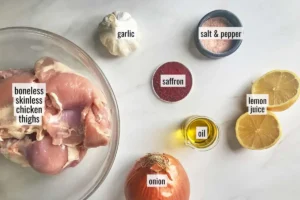
    Joojeh-Kabob-Ingredients

    • Chicken (1 kg / 2.2 lbs, boneless): You can use breast for tenderness or thighs for extra juiciness. Cutting the chicken into large chunks helps them stay moist and grill beautifully.
    • Onion (1 large, grated or sliced): Onion helps with both flavor and tenderizing the chicken.
    • Plain Yogurt (1/4 cup): This adds softness to the chicken and helps build a tasty marinade.
    • Olive Oil (3 tbsp): Adds a bit of healthy fat to lock in moisture and help infuse the marinade.
    • Lemon Juice (from 1 large lemon): Brings zing and balances flavors—marinating with acidic lemon is key to Persian kabobs.
    • Ground Saffron (1/2 tsp, bloomed): The main star! Saffron gives that iconic golden color and an unmistakable aroma, used in many dishes from the oldest country in the world.
    • Salt & Pepper (to taste): The essentials!
    • Optional: Garlic (2 cloves, minced) & Turmeric (1/2 tsp): For extra layers of flavor, often used in home recipes.

    Why all this? Each item is chosen to maximize both taste and tenderness. The combination is simple yet legendary in Iranian homes.

    How to Make Joojeh Kabab

    Cooking Joojeh Kabab at home is more than just following a recipe; it’s about embracing a piece of Iranian culture that values patience, attention to detail, and the art of marination. Persian cooking is famous for transforming everyday ingredients into dishes that taste both refined and comforting, using techniques that have been passed down in one of the oldest countries in the world. When it comes to making Joojeh Kabab, each step—from marinating in fragrant saffron and yogurt to grilling over hot coals—adds layers of flavor and tenderness that other cuisines might miss.

     Whether you’re already familiar with Iranian favorites like Kabab Koobideh or Fesenjan, or you’re exploring these classics for the first time, preparing Joojeh Kabab is a memorable way to capture the balance of tastes and textures that define Iranian popular dishes. Let’s walk through the process together, step by step, so you can create an authentic Persian feast in your own kitchen.

    Don’t worry—making Joojeh Kabab isn’t complicated, but it’s all about patience and layering flavor at every stage. Here’s a step-by-step rundown:

    Prepare the Marinade:

    Mix onion, yogurt, olive oil, lemon juice, bloomed saffron, salt and pepper in a bowl. If using, add garlic and turmeric now too.

    Marinate the Chicken:

    Add chicken pieces. Mix until everything’s nicely coated. Cover the bowl and let the mixture marinate for at least 3 hours (overnight gives even better flavor).

    Tip: The longer, the better!

    Skewering:

    Thread the marinated chicken onto skewers, making sure not to pack them too tightly. If you’re using wood skewers, soak them in water for 1 hour so they don’t burn.

    Grilling:

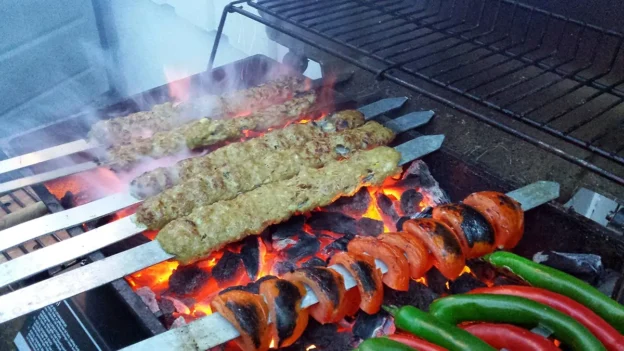
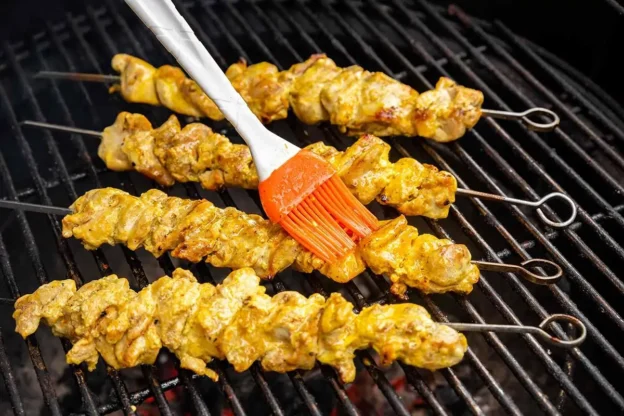
    Heat your grill or barbecue to medium-high. Cook skewers for about 10–15 minutes, turning every few minutes, until chicken is golden and slightly charred.

    Grilling this way brings out the smoky flavor typical to many Iranian dishes.

    Finish and Serve:

    Brush with a little melted butter or another splash of saffron water before serving, just like they do in Tehran’s authentic kabab houses.

    How to Bloom Saffron

    If you’ve ever wondered why Persian dishes like Joojeh Kabab, seem to glow with color and fragrance, the answer is almost always saffron. Known as the world’s most precious spice, saffron is used in many Iranian popular dishes to add both vibrant color and a subtle, luxurious aroma. But simply tossing saffron threads into a recipe won’t deliver the full experience!

    Instead, Iranians practice “blooming” saffron—a special technique that releases all the golden color and delicate flavor locked inside each tiny thread. Blooming is quick and easy, and mastering this step brings the true taste of one of the oldest cuisines in the world to your kitchen. Here’s how you can do it at home and elevate all your Persian recipes.

    Saffron is called red gold in Iran for a reason. Blooming (or steeping) saffron properly is a tradition for Iranian popular dishes—here’s how it’s done:

    • Grind it: Put saffron threads in a mortar and pestle; gently grind to a fine powder.
    • Add hot water: Pour in 2–3 tablespoons of hot (not boiling!) water.
    • Let it steep: Wait about 10–15 minutes. The color will turn vibrant yellow-orange.
    • Use it: This liquid is your secret weapon. Add it to the marinade and also brush it over the cooked kabob for extra aroma.

    Joojeh Kabab types
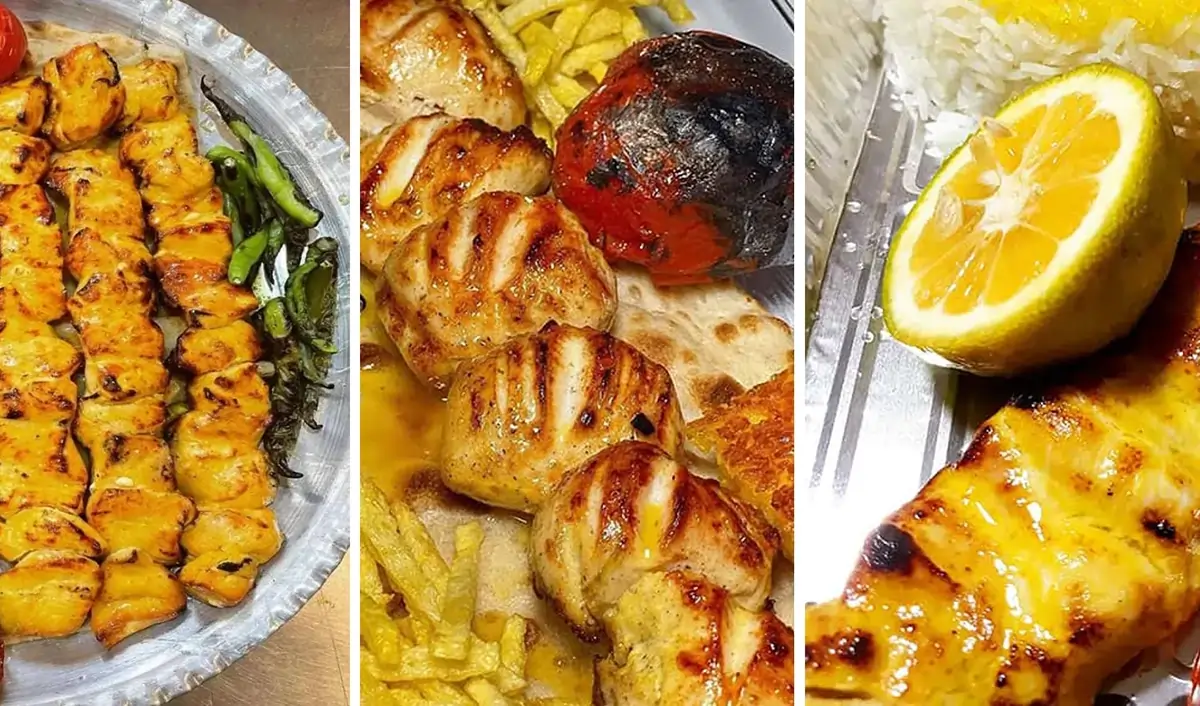
    jooje-kebab types

    One of the most exciting things about Joojeh Kabab—and really, about Iranian food as a whole—is how even the most classic dishes can take on new personalities depending on region, family tradition, or personal taste. While saffron, yogurt, and citrus are typically at the heart of every good Joojeh Kabab, cooks across one of the oldest countries in the world have always experimented with different marinades, grilling techniques, and even presentation styles.

    Some regions add pomegranate juice or sumac for brightness, others use bone-in chicken for extra juiciness, and there are even vegetarian or oven-baked versions gaining popularity outside Iran. Like Kabab Koobideh or Fesenjan, Joojeh Kabab can easily be adapted for special diets and modern kitchens—all while retaining those signature Persian flavors and aromas. Let’s take a look at some of the most popular variations you might want to try at home.

    Joojeh Kabab is flexible—over generations in the oldest country in the world, families have added their own twists. Here are a few you can try:

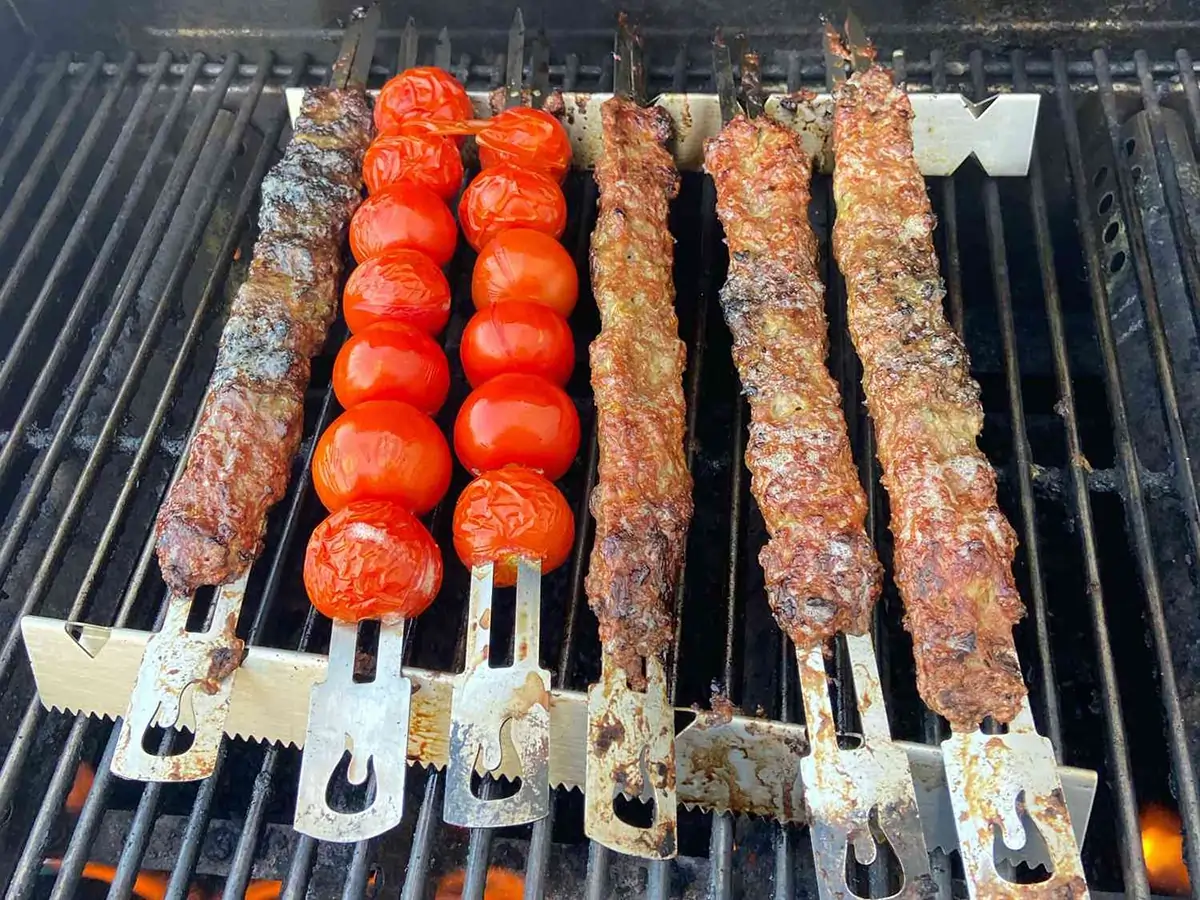
    • With Vegetables: Alternate pieces of chicken with bell peppers, tomatoes, or onions on each skewer for color and flavor.
    • Bone-in Chicken: Using bone-in pieces tastes richer and juicier, but add a few extra minutes on the grill.
    • Extra Saffron or Spices: Add more saffron or even a pinch of cardamom for a luxury version.
    • Mix with Kabab Koobideh: Serve your chicken kabobs next to ground meat kababs for a truly Iranian BBQ experience.
    • Butter Basting: Brushing the kabobs with melted butter as they grill makes them even more tempting.

    Experimentation is at the heart of Persian cooking!

    Equipment for cooking Joojeh Kabab

    You don’t need fancy tools to cook authentic Joojeh Kabab, but a few key pieces of equipment will help you get the best results. Most Iranians use metal skewers (known as “sikh”) for grilling, which hold the marinated chicken pieces firmly over the flame and help with even cooking.

    A charcoal or gas grill is ideal to achieve that classic smoky flavor, but you can also use an oven broiler or even a stovetop grill pan if that’s what you have. Don’t forget a large bowl for mixing the marinade and some tongs for turning the kabobs—simple kitchen equipment, but essential for capturing the real taste of this Persian favorite.

    You don’t need a fancy setup to prepare Joojeh Kabab, just a few basic tools:

    • Skewers: Either metal (traditional) or wooden.
    • Grill/Barbecue: Charcoal or gas both work great, or use your oven broiler.
    • Mixing Bowls: For marinating.
    • Mortar and Pestle: To grind saffron (or use a spice grinder).
    • Basting Brush: For butter or saffron at the end.

    Nutrition Facts Table

    Knowing what you eat matters! Here’s a nutrition snapshot for a typical serving of Joojeh Kabab (not including rice or bread):

    Nutrient

    Amount per Serving

    Calories

    260 kcal

    Protein

    26 g

    Fat

    14 g

    Carbs

    4 g

    Fiber

    0.5 g

    Sodium

    290 mg

    Cholesterol

    80 mg

    This makes Joojeh Kabab a healthy, high-protein meal, especially when compared with some other Iranian popular dishes like Fesenjan.

    What to Serve with Joojeh Kabab
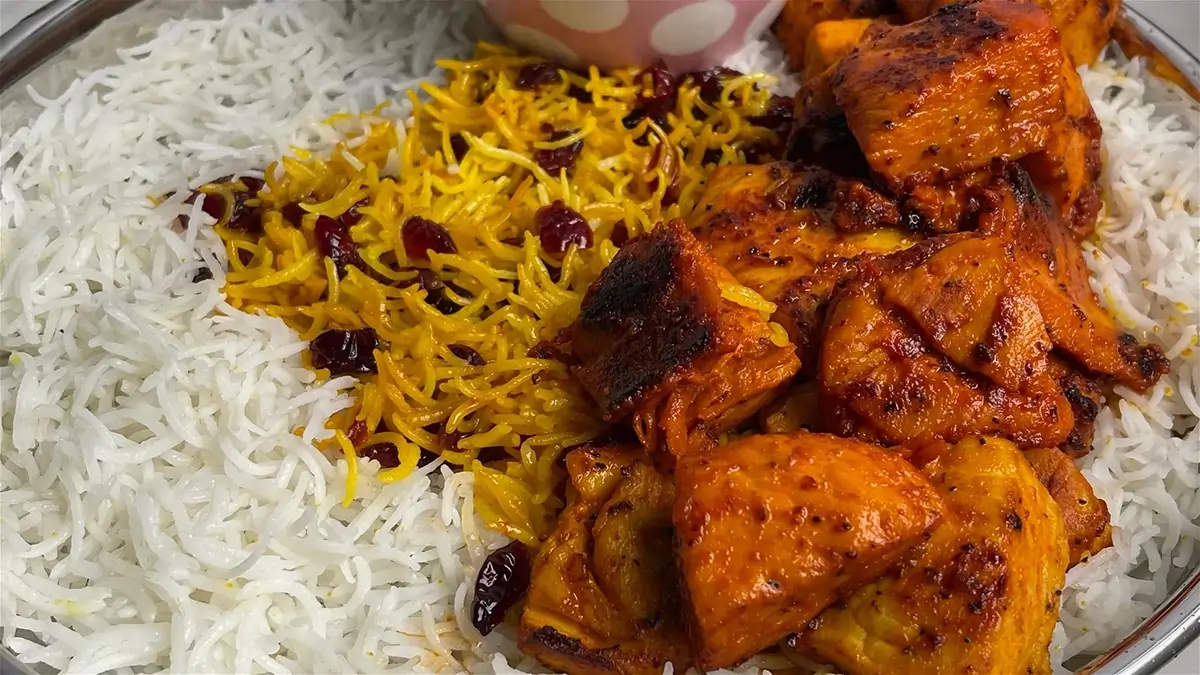
    what to serve with joojeh kabab

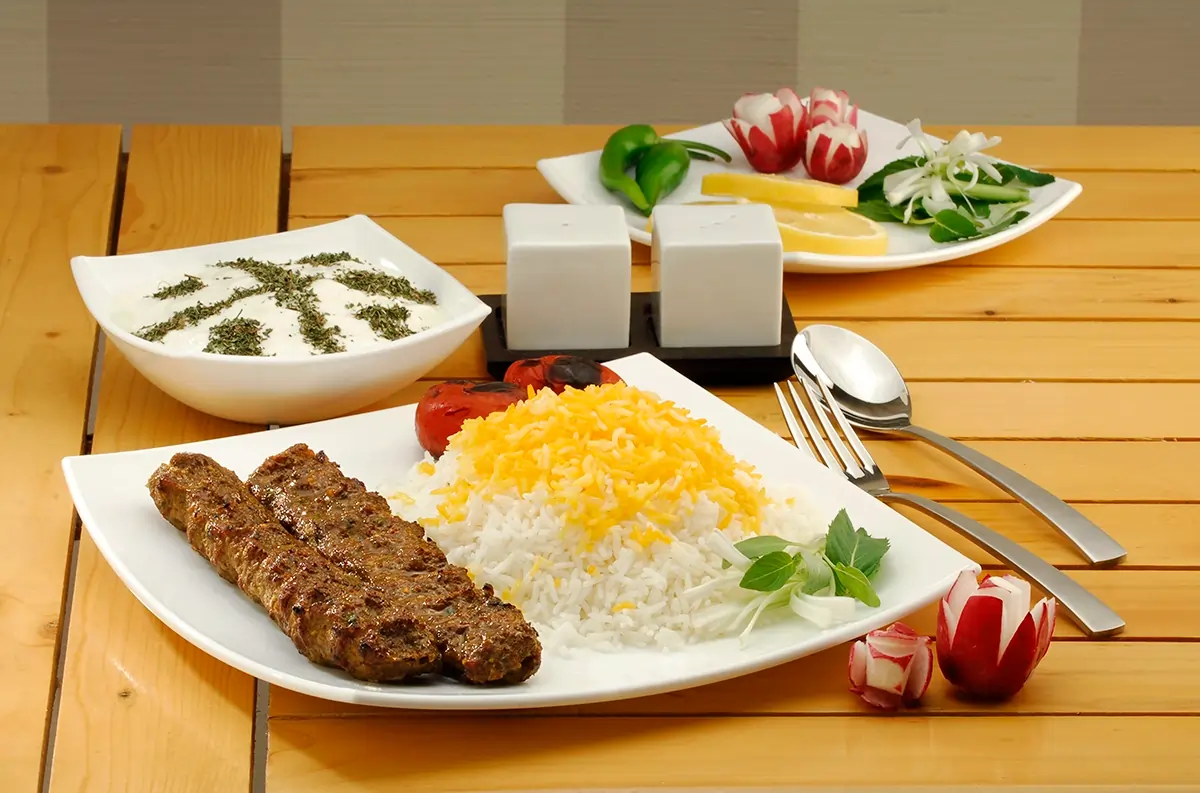
    Serving Joojeh Kabab isn’t just about the grilled chicken itself—it’s about creating a well-balanced Persian meal that highlights both flavor and tradition. In Iran, Joojeh Kabab is rarely served alone. It’s typically accompanied by fluffy saffron rice (chelo), grilled tomatoes, and a symphony of fresh herbs (sabzi khordan) for a truly authentic experience. Alongside, you might also find soft lavash or sangak bread, tangy pickled vegetables (torshi), and creamy yogurt.

    These sides add color, texture, and the famous balance of tastes that’s at the heart of Iranian cuisine, making your Joojeh Kabab meal feel like a celebration—just as it does in homes across one of the oldest countries in the world.

    In Iran, a meal is never just one dish. The sides and extras complete the experience and show why Persian hospitality is famous:

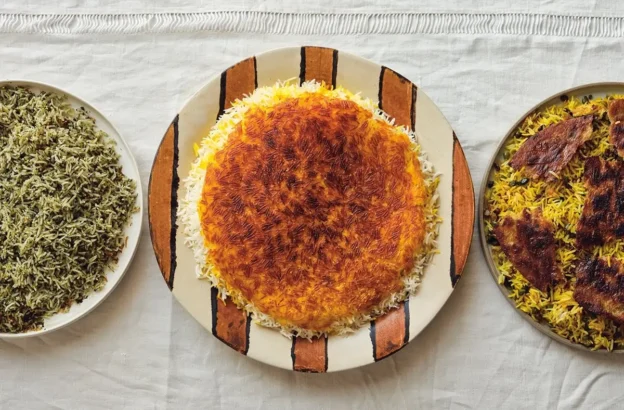
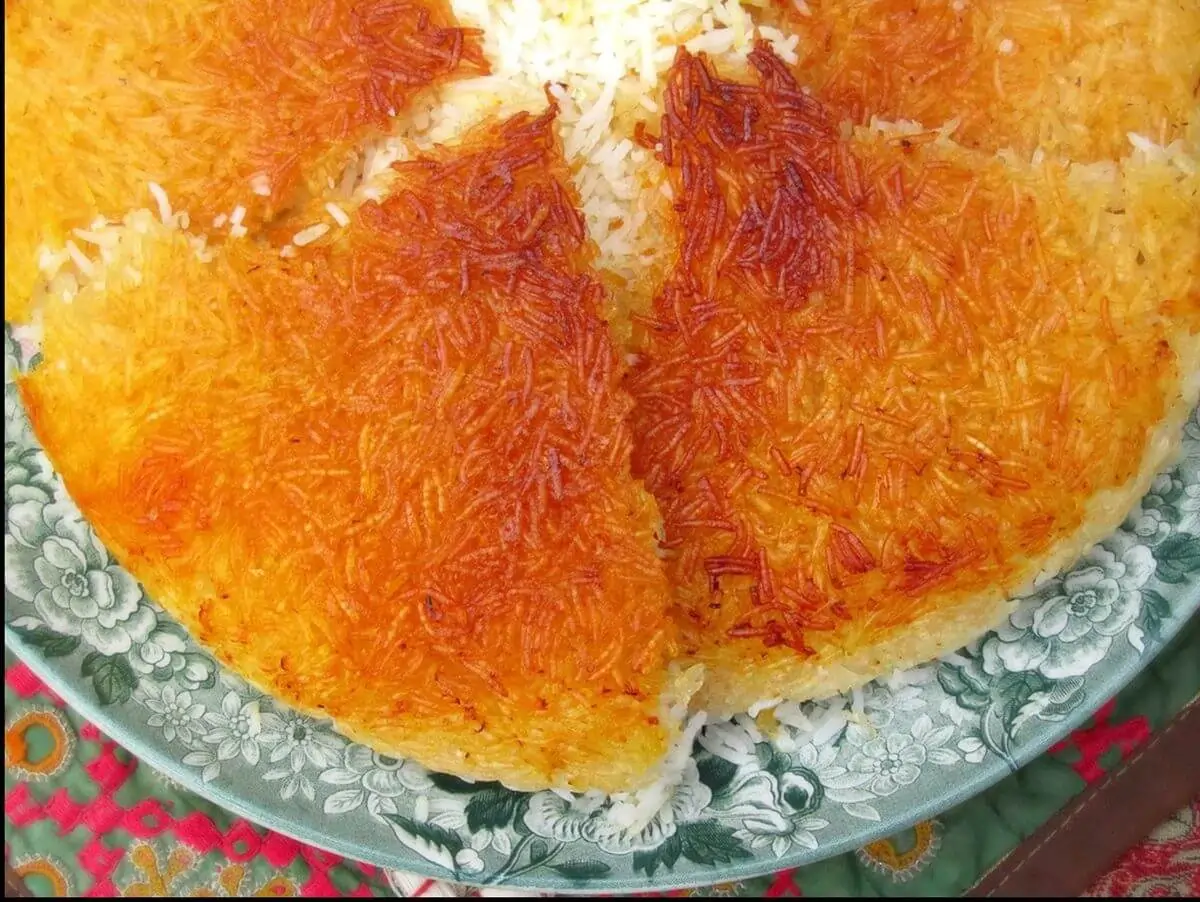
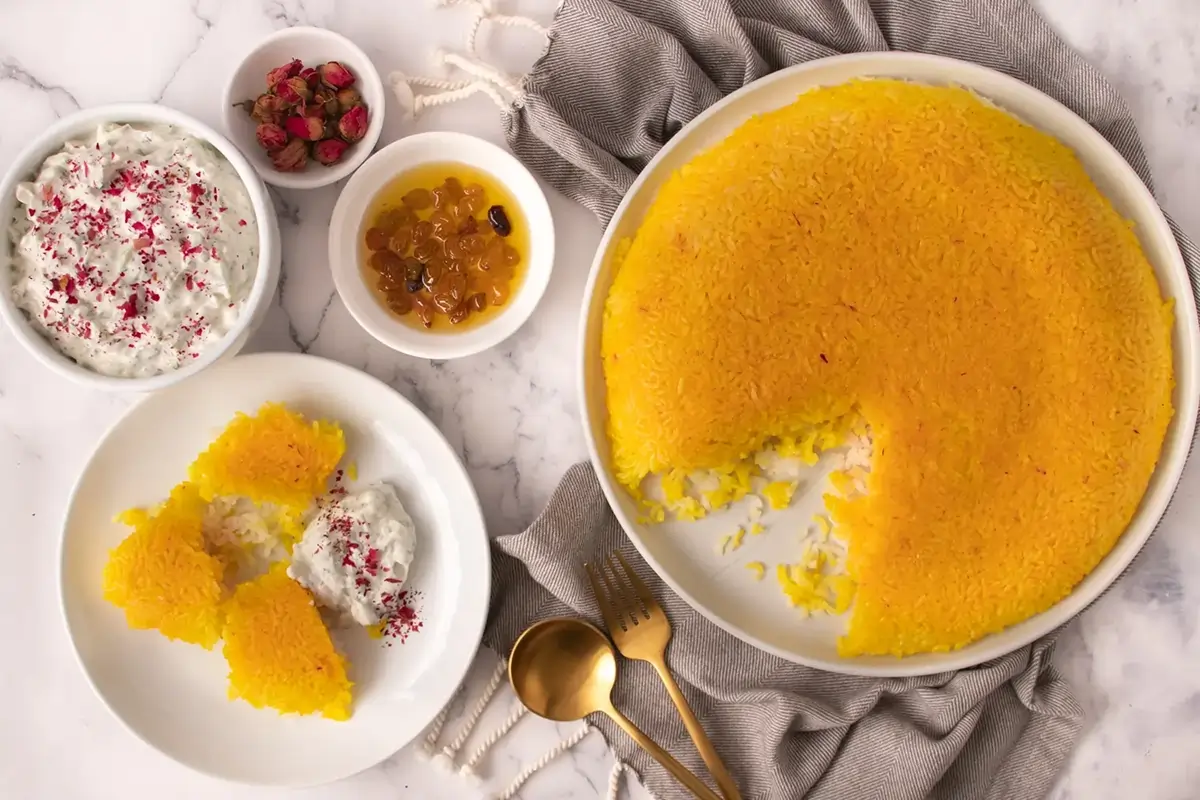
    • Persian Rice (Chelo): Fluffy, aromatic rice is the classic base for kabobs. For a treat, make “tahdig” (the crispy bottom layer).
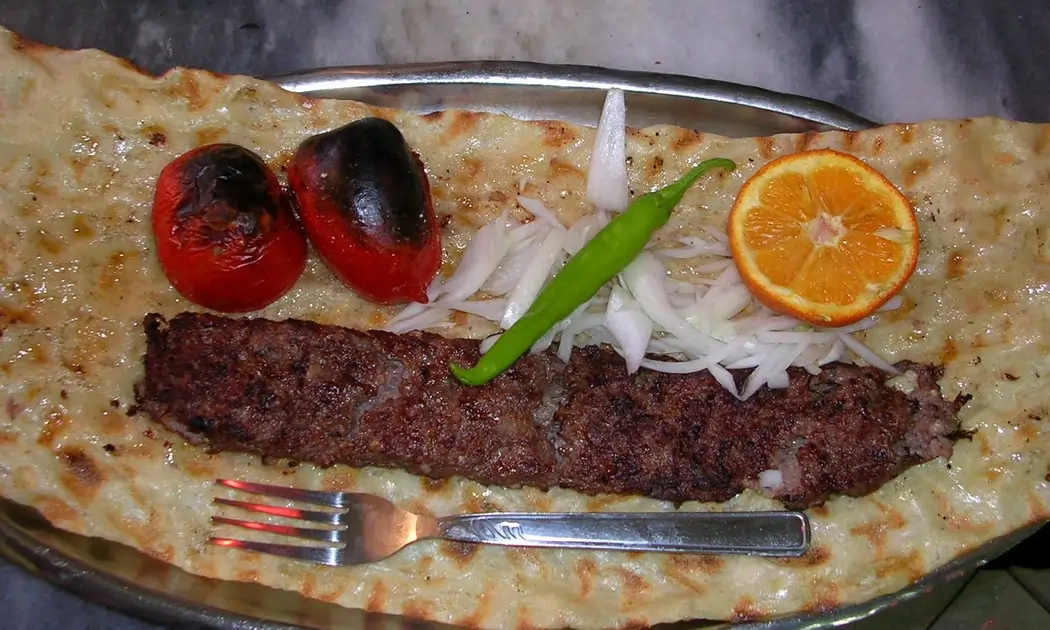
    • Grilled Tomatoes and Green Peppers: Grill veggies alongside the chicken for extra color and smoky flavor.
    • Fresh Herbs (“Sabzi Khordan”): Basil, mint, tarragon, and parsley add freshness and cleanse the palate.
    • Yogurt Dip (Mast-o-Khiar): A cool dip with cucumber and mint keeps the meal refreshing.
    • Flatbreads: Serve with sangak or lavash, classic breads from the region.
    • Sumac: This tangy spice is sprinkled on kabobs right before eating—don’t skip it!
    • Mix and Match: Pair Joojeh Kabab with Kabab Koobideh or a serving of Fesenjan to explore the wide range of Iran’s most popular dishes.

    In conclusion…

    Making Joojeh Kabab at home is more than simply preparing a meal—it’s a chance to experience the warmth, flavors, and centuries-old traditions of Iranian cuisine right in your own kitchen. This beloved Persian dish, with its tender saffron- and yogurt-marinated chicken, invites you to savor every bite and share meaningful moments with friends or family, just as Iranians do around their tables.

    By learning the secrets of marination, blooming saffron, and grilling, you’re not just following a recipe—you’re welcoming the spirit of hospitality and cultural richness from the oldest countries in the world into your life. Whether you’re new to Persian food or a long-time fan of dishes like Kabab Koobideh and Fesenjan, Joojeh Kabab is a delicious way to begin, bringing people together and creating lasting, flavorful memories.

    FAQs

    1. Is Joojeh Kabab the same as Kabab Koobideh?

    No, Joojeh Kabab uses marinated chicken pieces, while Kabab Koobideh is made with seasoned ground meat, usually lamb or beef.

    1. Why does everyone talk about saffron in Persian cooking?

    Saffron is key in many famous dishes from one of the oldest countries in the world, giving food its beautiful color and unique aroma.

    1. Can I cook Joojeh Kabab in the oven if I don’t have a grill?

    Yes! Use your oven’s broiler or a grill pan for great results.

    1. Is Joojeh Kabab spicy?

    Not at all—its flavor comes from saffron, lemon, and onion, not hot chilies.

    1. What other Iranian popular dishes should I try?

    Definitely try Fesenjan, Ghormeh Sabzi, and Kabab Koobideh to explore the diversity of Persian cuisine.

    1. Can I make Joojeh Kabab ahead of time?

    Yes, you can marinate it a day ahead. Grill just before serving for the freshest taste!
     

  • 8 Persian deserts you don’t want to miss

    Iranian cuisine, deeply rooted in the traditions of one of the oldest countries in the world, is celebrated for its vibrant flavors, aromatic spices, and artful presentation. While savory dishes like Kabab Koobideh (grilled minced meat kebabs) and Ghorme Sabzi (herb and meat stew) often steal the spotlight, Persian desserts are an equally integral part of Iranian culture, offering a sensory experience that reflects the nation’s heritage, hospitality, and creativity.

    These sweets, infused with poetic elegance and historical significance, showcase the ingenuity of Iranian famous figures like chefs, poets, and artisans who have shaped the country’s culinary legacy. In this comprehensive exploration, we’ll dive into the history, ingredients, regional variations, cultural significance, and modern adaptations of Persian desserts, weaving in the essence of Iranian cuisine and the enduring spirit of one of the oldest countries in the world.

    A Historical Sweet Journey Rooted in Iranian Culture

    Iran’s culinary traditions trace back to the Achaemenid Empire (550–330 BCE), a period when Persia was a global hub along the Silk Road. This strategic position facilitated the exchange of ingredients like saffron, pistachios, and rosewater, which became cornerstones of Iranian cuisine.

    Persian desserts, were born from this rich cultural tapestry, blending local abundance with influences from India, China, and the Mediterranean. Iranian culture revered food as an art form, with sweets playing a central role in Zoroastrian rituals, seasonal festivals like Nowruz (Persian New Year), and royal banquets during the Safavid dynasty (1501–1736).

    Iranian famous figures like the poet Rumi, whose verses often drew parallels between food and spiritual nourishment, and medieval scholars like Avicenna, who documented the medicinal properties of ingredients like saffron, indirectly shaped the evolution of Persian desserts.

    These sweets were not just indulgences but symbols of abundance, joy, and community, served during celebrations, weddings, and even memorials. Today, they remain a testament to Iran’s enduring legacy as one of the oldest countries in the world, preserving recipes that have delighted palates for millennia.

    The Essence of Persian Desserts: Ingredients and Philosophy

    The philosophy of Iranian cuisine, including its desserts, emphasizes balance—flavors that harmonize without overwhelming, textures that contrast, and presentations that reflect the aesthetic sensibilities of Iranian culture. Persian desserts combine sweet, tart, and aromatic elements. Key ingredients include:

    • Saffron: Known as “red gold,” this spice, harvested in Iran’s Khorasan region, imparts a golden hue and earthy flavor, used in desserts.
    • Rosewater and Orange Blossom Water: Floral essences that evoke Persian gardens, adding a poetic touch to sweets.
    • Nuts: Pistachios, almonds, and walnuts provide crunch and richness, often ground or slivered, mirroring their use in savory Iranian dishes.
    • Spices: Cardamom and cinnamon add warmth
    • Sweeteners: Honey and sugar syrups, often infused with aromatics, create a glossy finish, akin to the glazes used in some Persian rice dishes.
    • Flours: Rice flour, chickpea flour, and wheat flour form delicate bases, similar to the starches in some Iranian cuisine recipes.
    • Fruits: Pomegranates, dates, and barberries add tartness.
    • Dairy: Milk and cream, often thickened with salaab (orchid root extract), lend creaminess, a nod to the richness of Persian stews.

    This balance reflects the ingenuity of Iranian famous figures like traditional chefs who perfected recipes over centuries, ensuring that desserts, like savory dishes, embody the harmony central to Iranian culture.

    Iconic Persian Desserts

    Let’s explore some of the most beloved Persian desserts, their preparation, regional variations, and their role in Iranian culture.

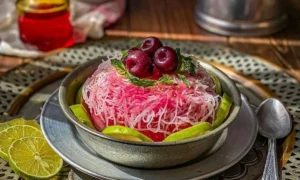
    1. Faloodeh: A Refreshing Legacy

    Faloodeh

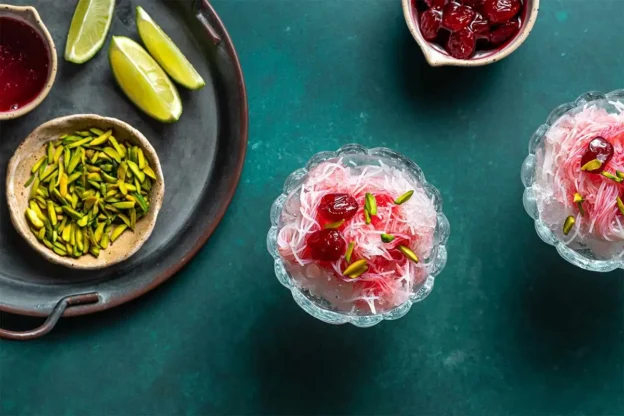
    Faloodeh, one of the world’s oldest frozen desserts, hails from Shiraz, a city celebrated in Iranian culture for its poetry and gardens. This sorbet-like treat, predating ice cream, features thin rice or starch noodles soaked in a chilled syrup of sugar, rosewater, and saffron, often served with lime juice or sour cherry syrup.

    • Texture and Flavor: The chewy noodles contrast with the icy, floral-tart syrup, offering a lightness akin.
    • Cultural Significance: In Iranian culture, faloodeh is a summer favorite and a Nowruz staple, symbolizing renewal. Its ancient origins tie it to one of the oldest countries in the world.
    • Preparation: Rice vermicelli is cooked, chilled, and mixed with a syrup of sugar, water, rosewater, and saffron. The mixture is frozen until slushy and served with tangy toppings.
    • Regional Variations: Shiraz’s faloodeh is tart and minimalist, while Yazd’s may include mint or fruit infusions, reflecting the diversity of persian dishes.

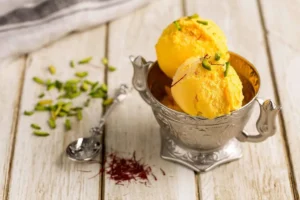
    Bastani Irani

    Bastani, or saffron ice cream, is a creamy delight infused with saffron, rosewater, and pistachios, with a stretchy texture from salaab. Often served with faloodeh or between wafers, it’s a luxurious treat.

    • Texture and Flavor: Creamy yet chewy, with saffron’s warmth and pistachios’ crunch.
    • Cultural Significance: Bastani is a nostalgic dessert in Iranian culture, evoking childhood memories and festive gatherings. Its saffron ties it to Iran’s agricultural heritage as the oldest country in the world.
    • Preparation: Milk is heated with sugar, saffron, rosewater, and salaab, then churned and folded with pistachios before freezing.
    • Modern Twists: Chefs inspired by Iranian famous figures like modern culinarians add flavors like cardamom or vanilla.
    1. Halva: A Symbolic Sweet

    Halva

    Persian halva, made from toasted wheat flour, butter, sugar, and rosewater, is a fudge-like confection distinct from sesame-based versions.

    • Texture and Flavor: Smooth and rich, with cardamom’s warmth.
    • Cultural Significance: In Iranian culture, halva is served at funerals and religious ceremonies, symbolizing remembrance. Its shared preparation reflects the communal spirit of the oldest country in the world.
    • Preparation: Flour is toasted in butter, mixed with a sugar-rosewater syrup, and garnished with nuts.
    • Regional Variations: Bushehr’s halva may include dates, while Tabriz’s is denser, showcasing Iranian cuisine’s diversity.
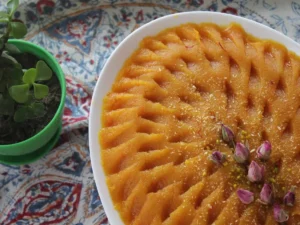
    1. Zoolbia and Bamieh: Festive Fritters

    zoolbia bamieh

    Zoolbia (lacy fritters) and bamieh (cylindrical doughnuts) are deep-fried pastries soaked in saffron-rosewater syrup, akin to the glossy finishes in some Iranian cuisine dishes.

    • Texture and Flavor: Crispy yet syrupy, with floral notes.
    • Cultural Significance: A Ramadan staple in Iranian culture, these sweets are shared during iftar, reflecting hospitality.
    • Preparation: A flour-starch-yogurt batter is fried in intricate shapes or logs, then soaked in warm syrup.
    • Regional Variations: Isfahan’s zoolbia is crispier, while Mashhad’s bamieh may include cardamom.
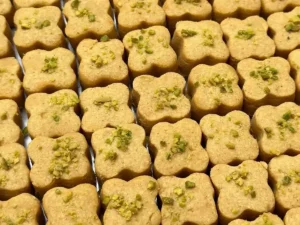
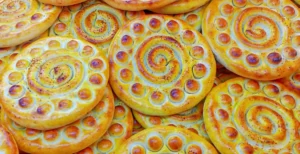
    1. Shirini Nokhodchi: Clover Cookies

    shirini-nokhodchi

    These chickpea flour cookies, flavored with cardamom and topped with pistachios, are a Nowruz favorite.

    • Texture and Flavor: Crumbly and nutty, with a delicate sweetness, they evoke the subtlety of Iranian cuisine.
    • Cultural Significance: Symbolizing prosperity in Iranian culture, these cookies are shared during Persian New Year, tying to the traditions of the oldest country in the world.
    • Preparation: Chickpea flour, sugar, butter, and cardamom are kneaded, shaped into clovers, baked, and garnished.
    • Modern Twists: Some add rosewater, inspired by Iranian famous figures in modern baking.
    1. Sohan: Qom’s Brittle

    Sohan

    Sohan, a toffee-like brittle from Qom, is made with wheat germ, butter, sugar, saffron, and pistachios. 

    • Texture and Flavor: Crisp and buttery, with saffron’s elegance, it’s a luxurious treat.
    • Cultural Significance: A pilgrimage souvenir in Iranian culture, sohan reflects Qom’s spiritual significance.
    • Preparation: Butter, sugar, wheat germ, and saffron are cooked, spread thin, and topped with nuts.
    • Variations: Sohan halva is chewier, showcasing Iranian cuisine’s versatility.
    1. Ranginak: Southern Sweetness

    Renginak

    Ranginak, from southern Iran, features dates stuffed with walnuts, layered in toasted flour and butter, and dusted with cinnamon.

    • Texture and Flavor: Soft dates, crunchy walnuts, and buttery flour create a rich balance.
    • Cultural Significance: A winter favorite in Iranian culture, ranginak fosters family connections.
    • Preparation: Dates are stuffed with walnuts, layered over a flour-butter mixture, and garnished.
    • Regional Variations: Khuzestan adds sesame, reflecting regional Persian cuisine.
    1. Lesser-Known Gems.

    koloocheh

    • Koloocheh: Stuffed cookies from Gilan, filled with walnuts and cinnamon.
    • Sheer Berenj: Rice pudding with rosewater and saffron.
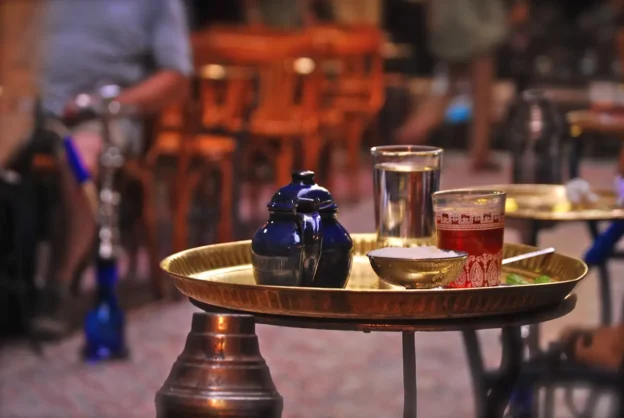
    • Poolaki: Translucent sugar candies from Isfahan, served with tea in Persian culture.
    • Qottab: Yazd’s almond-filled pastries, showcasing the artistry of one of the oldest countries in the world.

    Cultural Significance in Iranian Culture

    Persian desserts are a cornerstone of Iranian culture, embodying hospitality and connection. Sweets like shirini nokhodchi and sohan grace Nowruz tables, symbolizing prosperity. During Ramadan, zoolbia and bamieh unite communities, while halva fosters remembrance at memorials.

    Iranian famous figures like Hafez, whose poetry inspired festive gatherings, indirectly elevated the role of desserts in cultural rituals. As the oldest country in the world, Iran’s dessert traditions reflect a deep respect for heritage and community.

    Regional Diversity and Iranian Cuisine

    Iran’s vast geography shapes its desserts, much like its savory dishes. Northern koloocheh uses local walnuts, southern ranginak highlights dates, and central Isfahan’s poolaki showcases precision. This diversity underscores Iranian cuisine’s richness and the cultural mosaic of one of the oldest countries in the world.

    Modern Adaptations and Global Influence

    Modern chefs, inspired by Iranian famous figures like cookbook authors Ariana Bundy and Najmieh Batmanglij, are reimagining Persian desserts. Faloodeh-inspired sorbets now feature mango, while bastani appears in gelato form. The Persian diaspora has introduced these sweets to cities like Los Angeles and Toronto, where bakeries serve zoolbia. Social media amplifies their global appeal, with vibrant images of saffron-hued sweets captivating foodies.

    Recipes to Try at Home

    Faloodeh

    • Ingredients: 1 cup rice vermicelli, 1 cup sugar, 2 cups water, 1/4 cup rosewater, 1 tsp saffron, lime juice.
    • Instructions:
    1. Cook vermicelli for 2–3 minutes, rinse in cold water.
    2. Boil sugar, water, rosewater, and saffron to make syrup; cool.
    3. Mix noodles with syrup, freeze for 2–3 hours, stirring for a slushy texture.
    4. Serve with lime juice, inspired by Iranian cuisine’s tangy notes.
    • Tip: Use a sieve for homemade noodles, a nod to the oldest country in the world.

    Shirini Nokhodchi

    • Ingredients: 2 cups chickpea flour, 1 cup powdered sugar, 1 cup butter, 1 tsp cardamom, pistachios.
    • Instructions:
    1. Mix flour, sugar, and cardamom.
    2. Knead in butter, shape into clovers, and top with pistachios.
    3. Bake at 325∘F325^\circ F325∘F (163∘C163^\circ C163∘C) for 15–20 minutes.
    4. Cool and serve, reflecting Iranian culture’s elegance.

    Note: Consult a professional for precise techniques, especially for deep-frying or saffron use, as in Iranian cuisine.

    Conclusion

    Persian desserts, are a vibrant expression of Iranian cuisine and Iranian culture. From faloodeh’s icy refreshment to sohan’s buttery crunch, they embody the artistry of the oldest country in the world. Influenced by Iranian famous figures and centuries of tradition, these sweets invite you to savor Iran’s heritage. Whether shared at a Nowruz feast or enjoyed globally, Persian desserts are a delicious bridge across time and culture.

    FAQs About Persian Desserts

    1. What makes Persian desserts unique in Iranian culture?

      They blend floral, nutty, and spiced flavors, reflecting Iran’s ancient culinary heritage and hospitality.

    2. What are common ingredients in Persian desserts?

      Saffron, rosewater, pistachios, almonds, cardamom, and dates are staples.

    3. What is Faloodeh, and why is it popular?

      Faloodeh is a chilled dessert of rice noodles in rosewater-saffron syrup, loved for its refreshing taste in Iranian cuisine.

    4. How do Persian desserts tie to Iranian festivals?

      Desserts like shirini nokhodchi are served during Nowruz, symbolizing prosperity in the oldest country in the world.

    5. Are there regional variations in Persian desserts?

      Yes, Shiraz’s faloodeh is tart, while Yazd’s qottab is nut-filled, showcasing Iranian cuisine’s diversity.

    6. How have Iranian famous figures influenced desserts?

      Poets like Rumi and modern chefs like Najmieh Batmanglij have inspired their cultural and culinary significance.


  • Iranian Culture: A Timeless Tapestry of Heritage and Innovation

    Iran is the oldest country in the  world and Iranian culture, often referred to as Persian culture, is a vibrant and multifaceted civilization that has shaped global history for over 2,500 years. Rooted in the ancient Persian Empire and enriched by subsequent dynasties, invasions, and cultural exchanges, Iran’s heritage spans literature, art, architecture, music, cuisine, religion, and social customs. This detailed exploration delves into each aspect, providing historical records, notable examples, and cultural nuances to illustrate the depth of Iranian identity.

    Historical Foundations of Iranian Culture

    Iran’s cultural legacy traces back to the Achaemenid Empire (550–330 BCE), one of the largest empires in history, covering approximately 5.5 million square kilometers at its peak. Founded by Cyrus the Great, the empire introduced innovations like the Royal Road (stretching over 2,500 km) and standardized governance, which influenced cultural exchange across Asia, Europe, and Africa.

    Subsequent dynasties, such as the Parthians (247 BCE–224 CE) and Sassanids (224–651 CE), further shaped Iran’s cultural identity. The Sassanid era, in particular, is considered a golden age for Persian art, science, and literature, with advancements in astronomy and the codification of Zoroastrian texts like the Avesta. The Islamic conquest in the 7th century CE introduced Islam, blending Arab influences with Persian traditions, while the Safavid Empire (1501–1736) established Twelver Shia Islam as the state religion, profoundly shaping modern Iranian identity.

    Historical Record:

    • Cyrus Cylinder (539 BCE): Often called the “first charter of human rights,” this clay artifact records Cyrus the Great’s conquest of Babylon and his decree allowing exiled peoples to return home. It symbolizes Persian values of tolerance and governance.
    • Behistun Inscription (520 BCE): A multilingual rock relief by Darius I, this monumental record helped decipher cuneiform scripts and documents Persian imperial achievements.

    Language and Literature

    Persian (Farsi): The Linguistic Core

    Persian, or Farsi, is an Indo-European language with a history spanning over 2,500, years. Evolving from Old Persian (used in Achaemenid inscriptions) to Middle Persian and modern Farsi, it is written in a modified Arabic script with 32 letters. Farsi’s influence extends beyond Iran to Tajikistan (Tajik) and Afghanistan (Dari).

    Record:

    • Old Persian Inscriptions: The Behistun Inscription, carved into a cliff in Kermanshah, contains trilingual texts (Old Persian, Elamite, Akkadian) and is a key artifact for understanding early Persian language development.

    Persian Literature: A Poetic Legacy

    Persian literature is renowned for its poetic depth, philosophical insight, and narrative grandeur. It encompasses epic poetry, mystical Sufi writings, and prose, with works that remain globally influential.

    Notable Works and Records:

    1. Ferdowsi’s Shahnameh (10 CE): This epic poem, comprising approximately 50,000 couplets, chronicles Persia’s mythical and historical past from creation to the Islamic conquest. It took Ferdowsi 35 years to complete and is a cornerstone of Iranian identity.
    2. Rumi’s Masnavi (13th century): A six-volume spiritual masterpiece with over 25,600 couplets, blending Sufi mysticism with universal themes of love and divinity. Rumi’s works are among the most translated poetry globally.
    3. Hafez’s Divan (14th century): A collection of ghazals (lyric poems) known for their intricate wordplay and themes of love, spirituality, and rebellion. Hafez’s tomb in Shiraz remains a pilgrimage site for poetry lovers.
    4. Omar Khayyam’s Rubaiyat (11th century): A collection of +1,000 quatrains exploring existential themes. Translated by Edward FitzGerald in the 19th century, it introduced Persian poetry to the West.

    Cultural Practice:

    • Fal-e Hafez: During gatherings, Iranians often open Hafez’s Divan randomly to seek poetic guidance or predictions, a practice akin to bibliomancy.

    Art and Architecture

    Persian Carpets: Woven Masterpieces

    Persian Rug

    Persian carpets are a pinnacle of artistic expression, known for their intricate designs and vibrant colors. Each region in Iran produces distinct styles, such as Tabriz’s floral motifs or Isfahan’s geometric patterns. A single high-quality carpet can require +1,000 hours of labor.

    Record:

    • Ardabil Carpet (1539–1540): Housed in the Victoria and Albert Museum, this Safavid-era carpet measures approximately 5.55 meters by 11.5 meters and is one of the finest examples of Persian weaving, featuring a central medallion and intricate floral patterns.

    Architecture: A Symphony of Form

    Iran architecture

    Iranian architecture is defined by symmetry, intricate tile work, and spiritual symbolism. Persian architects mastered the use of iwans (vaulted halls) and domes, often incorporating mathematical precision in their designs.

    Notable Architectural Records:

    1. Persepolis (518 BCE): The Achaemenid ceremonial capital, featuring the Apadana Palace with 72 columns, each 19 meters tall, adorned with reliefs depicting tributes from 23 subject nations.
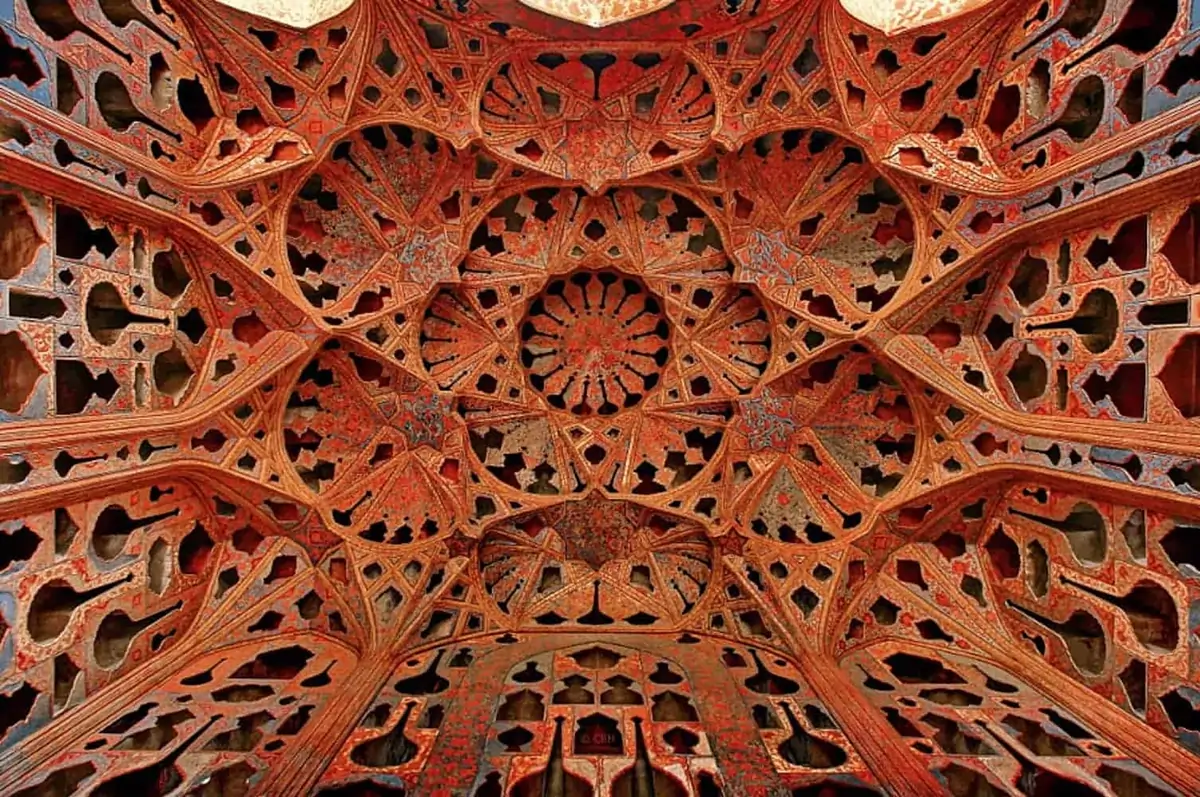
    2. Naqsh-e Jahan Square, Isfahan (17th century): A UNESCO World Heritage Site, this 160,000 square-meter square includes the Shah Mosque, with its 52-meter-high dome, and the Ali Qapu Palace, showcasing intricate stucco work.
    3. Golestan Palace, Tehran (19th century): A Qajar-era palace blending Persian and European styles, famous for its Mirror Hall, where thousands of mirrored tiles create a dazzling effect.

    Mathematical Insight:

    • The design of Persian domes often follows geometric principles, such as the use of the golden ratio (approximately 1.618) to achieve aesthetic harmony. For example, the Sheikh Lotfollah Mosque’s dome in Isfahan uses a height-to-base ratio close to this value.

    Religion in Iranian Culture

    Religion is a cornerstone of Iranian culture, with a unique blend of Islamic and pre-Islamic traditions.

    Islam: Shia Dominance

    Approximately 90% of Iranians are Twelver Shia Muslims, a denomination formalized during the Safavid era. Shia rituals, such as Ashura, commemorate the martyrdom of Imam Husayn in 680 CE, with processions and passion plays (taziyeh) reenacting the Battle of Karbala.

    Record:

    • Imam Reza Shrine, Mashhad: Iran’s holiest site, this complex houses the tomb of the 8th Shia Imam and attracts over 20 million pilgrims annually. Its golden dome and vast courtyards exemplify Persian-Islamic architecture.

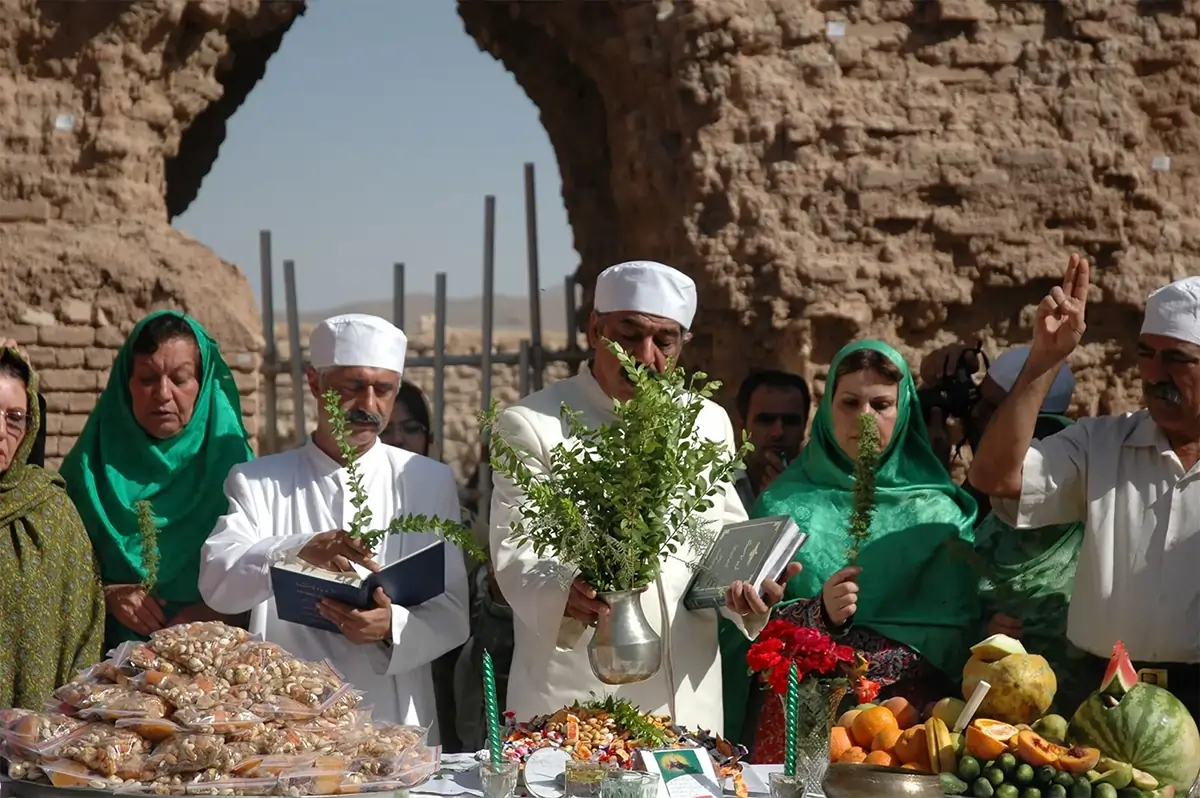
    Pre-Islamic Traditions: Zoroastrian Influence

    Zoroastrian

    Zoroastrianism, once Iranmediocrity of Persian culture, with influences persisting in festivals and symbolism (e.g., fire and water as sacred elements).

    Record:

    • Atashkadeh Yazd: A functioning Zoroastrian fire temple in Yazd, housing a sacred flame burning continuously since 470 CE, one of the oldest such fires in the world.

    Nowruz: The Persian New Year

    Nowrouz

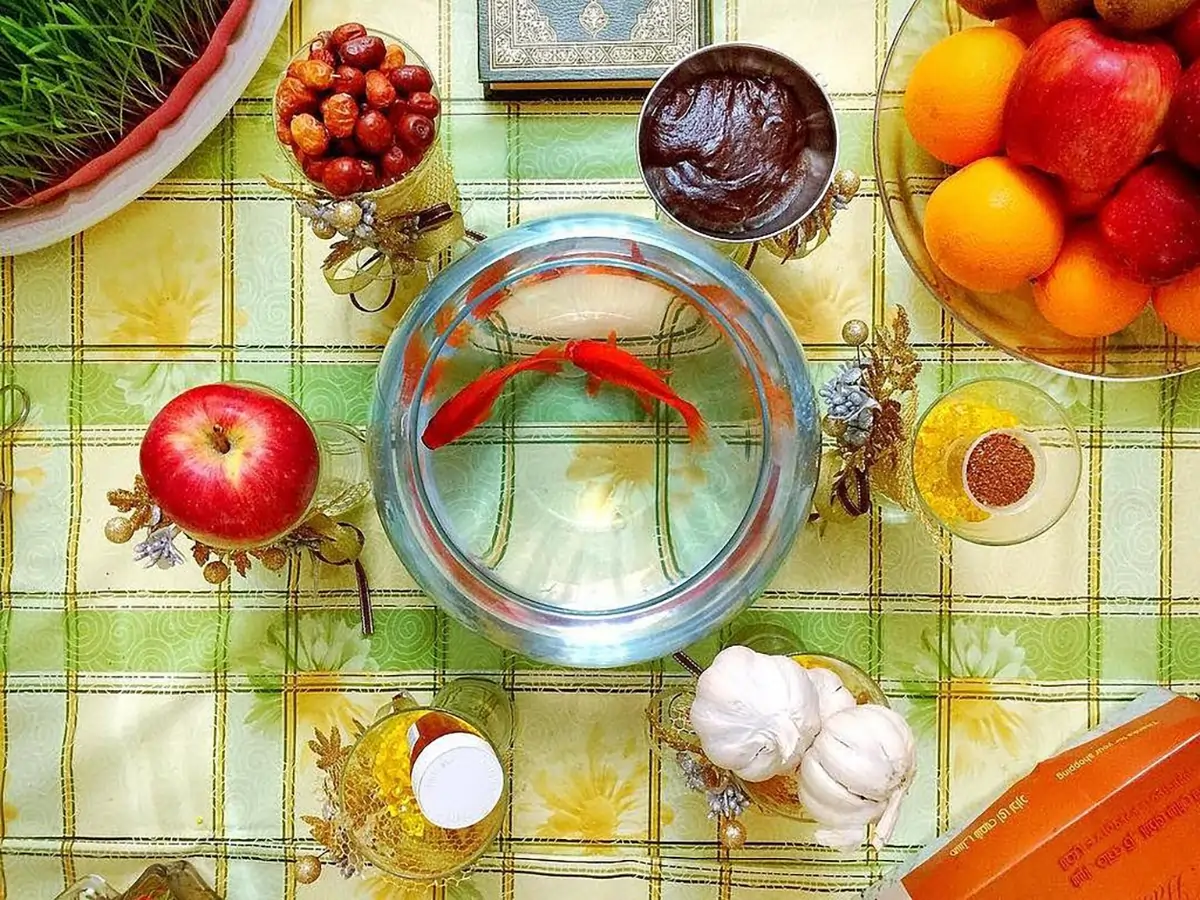
    Nowruz, celebrated on the vernal equinox (approximately March 20–21), is a 13-day festival rooted in Zoroastrianism. It symbolizes renewal and is observed by over 300 million people worldwide.

    Record:

    • Chaharshanbe Suri (Fire Festival): Held on the last Wednesday before Nowruz, this ritual involves jumping over bonfires to purify and ward off evil. Historical records trace this practice to at least the 9th century CE.

    Music and Dance

    Persian Classical Music

    Persian Music Instrument

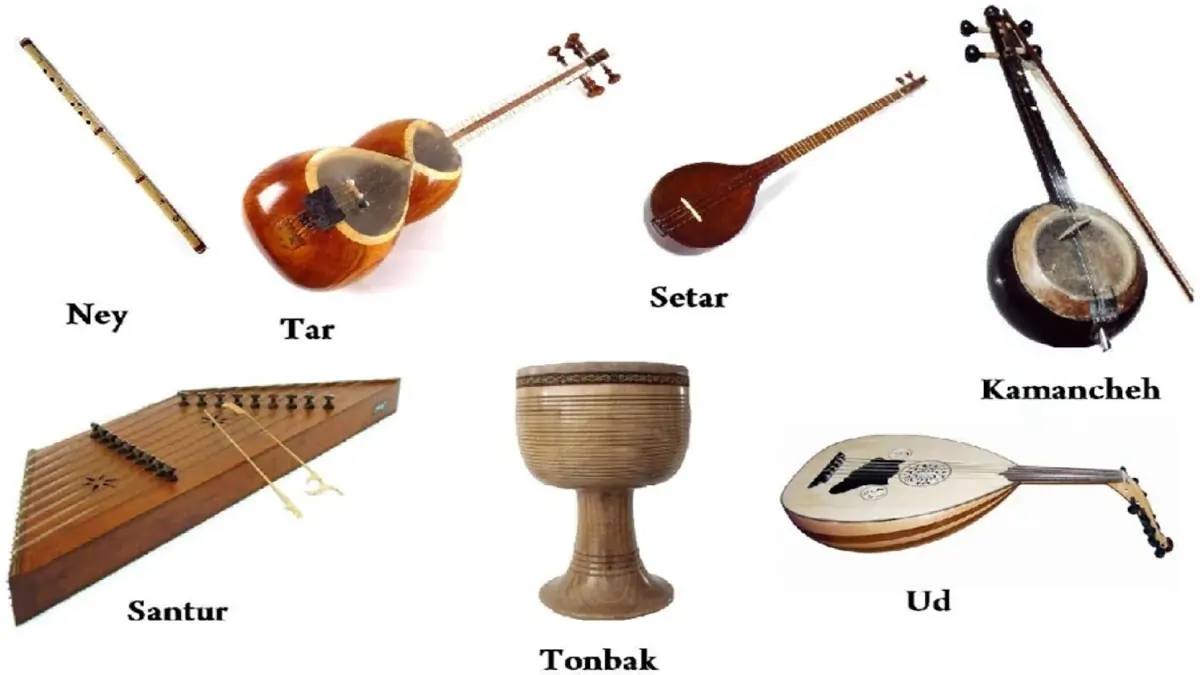
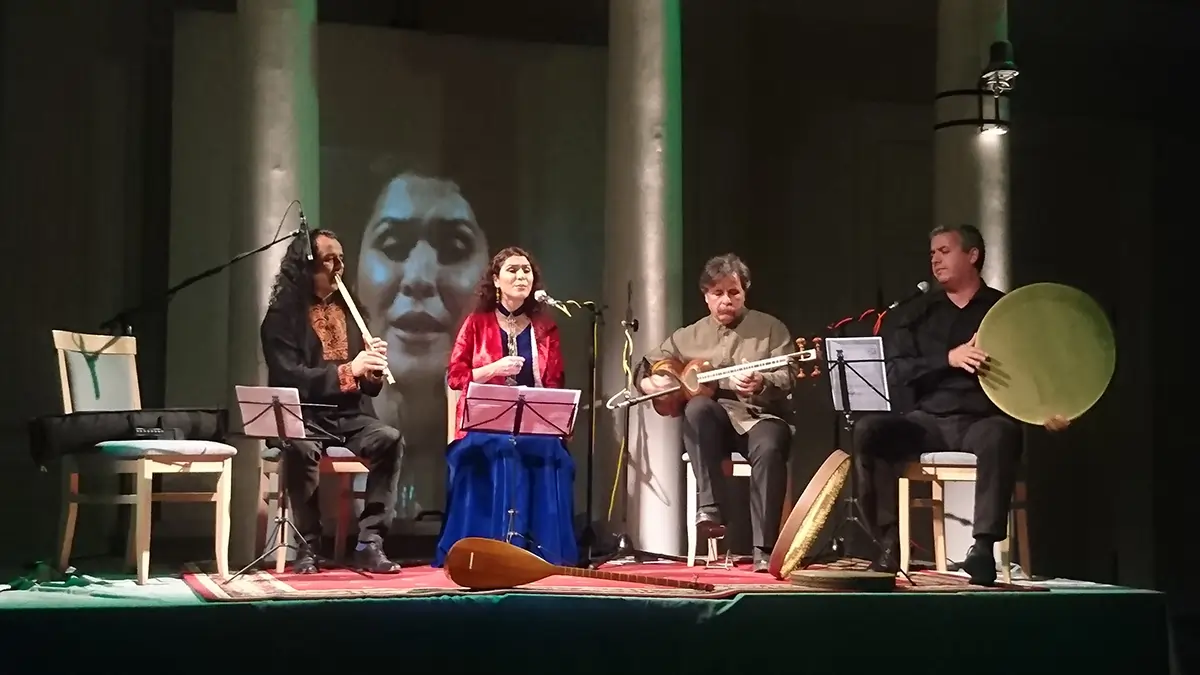
    Persian music is based on the dastgah system, with 12 primary modes, each evoking specific emotions. Instruments like the santur (with 72 strings) and setar (meaning “three strings”) create intricate melodies.

    Record:

    • Radif: The traditional repertoire of Persian classical music, comprising over 200 melodies, was inscribed on UNESCO’s Intangible Cultural Heritage List in 2009.

    Dance

    Traditional dances, such as those of the Kurdish or Balochi tribes, feature rhythmic movements and colorful costumes. Modern restrictions limit public dance, but private performances persist.

    Record:

    • Baba Karam: A folk dance from northern Iran, characterized by shoulder movements and handkerchief flourishes, often performed at weddings.

    Iranian Cuisine

    Khoreshte Fesenjan

    Iranian cuisine balances flavors like sour, sweet, and savory, with rice as a staple (consumed at a rate of 120 kg per capita annually). Saffron, costing up to 10,000 per kg, is a hallmark ingredient.

    Notable Dishes and Records:

    1. Tahdig: Crispy rice from the bottom of the pot, often flavored with saffron. A 2023 survey ranked it Iran’s most beloved dish.
    2. Ash Reshteh: A thick noodle soup with herbs and whey, traditionally served during Nowruz.
    3. Zereshk Polo: Barberry rice with chicken, a festive dish using tart zereshk berries.

    Beverage Record:

    • Doogh: This yogurt drink, with a history dating to the Sassanid era, is consumed by 80% of Iranians with kebabs, per a 2024 culinary poll.

    Family and Social Structure

    Iranian society is family-centric, with multigenerational households common (40% of urban families live with extended relatives, per 2023 data). Hospitality is paramount, with guests often offered tea within 5 minutes of arrival.

    Record:

    • Taarof: This ritualized politeness, documented in Persian texts since the 10th century, involves repeated offers and refusals to demonstrate humility.

    Customs and Etiquette

    Iranian etiquette emphasizes respect and modesty. For example, removing shoes before entering homes is practiced by 95% of Iranians, per a 2022 cultural survey.

    Record:

    • Mehmooni: Traditional gatherings where hosts serve elaborate meals, often lasting 4–6 hours, are a key social ritual.

    Modern Iranian Culture

    Iran’s modern culture blends tradition with innovation. Iranian cinema has won 2 Academy Awards (Asghar Farhadi’s A Separation and The Salesman), and social media usage is high, with 70%of Iranians active on platforms like Instagram despite restrictions.

    Record:

    • Tehran Museum of Contemporary Art: Houses over 3,000 works, including pieces by Picasso and Warhol, valued at over $1 billion, making it one of the largest modern art collections in the Middle East.

    Conclusion

    Iranian culture is a vibrant mosaic of ancient traditions and modern dynamism, from the poetic brilliance of Hafez to the architectural splendor of Isfahan. Its enduring festivals, intricate arts, and warm hospitality reflect a civilization that has thrived for millennia. With records like the Ardabil Carpet and the Imam Reza Shrine, Iran’s heritage continues to captivate and inspire globally.

    If you’d like further details on any specific aspect or a different format, let me know!

    FAQs 

    • What is Nowruz, and why is it celebrated?

      Answer: Nowruz is the Persian New Year, starting March 20–21, lasting 13 days. Rooted in Zoroastrianism, it celebrates renewal with Haft-Seen tables and fire-jumping. Over 300 million people, including 95% of Iranians, participate (2023 survey).

    • What makes Persian food unique?

      Answer: Iranian cuisine blends sweet-sour-savory flavors, using saffron (10,000/kg) and rice (120kg/capita). Dishes like Tahdig (crispy rice) and Fesenjan (pomegranate stew) are staples, served at Mehmooni gatherings.

    • What is Taarof in Iranian culture?

      Answer: Taarof is ritual politeness where offers (e.g., food) are declined 3–5 times to show respect. Practiced in 95% of households (2022), it reflects Iran’s hospitality culture.

    • What does Iran’s flag symbolize?

      Answer: Iran’s flag (green, white, red, 4:7 ratio) has 2 “Allahu Akbar” inscriptions and a central “Allah” emblem, symbolizing Islam, peace, and courage, tied to the 1979 Revolution.

    • What is Iran’s national anthem about?

      Answer: “Soroud-e Melli” (1990, 80 seconds) celebrates Islamic unity and the 1979 Revolution. It’s sung at events like the 2024 Olympics (12 medals), distinct from “Ey Iran.”

    • Why is Persian poetry so famous?

      Answer: Persian poetry, like Ferdowsi’s Shahnameh (50,000 couplets) and Rumi’s Masnavi (25,600+ couplets), blends epic and mystical themes, influencing global literature over 1,200 years.

    • What are some famous Persian architectural sites?

      Answer: Persepolis (518 BCE, 72 columns), Naqsh-e Jahan Square (160,000 m²), and Golestan Palace showcase symmetry and tile work, reflecting Iran’s 2,500-year heritage.

    • How does religion shape Iranian culture?

      Answer: Shia Islam (90% of Iranians) influences Ashura and sites like Imam Reza Shrine (20 million pilgrims/year). Zoroastrianism shapes Nowruz and traditions like Atashkadeh Yazd’s 470 CE flame.

    • What is traditional Persian music like?

      Answer: Based on the Radif system (12 modes, 200+ melodies), it uses instruments like the santur (72 strings). It’s played at Nowruz and Mehmooni, influencing the anthem’s melody.

    • How do Iranians balance tradition and modern life?

      Answer: Iranians preserve traditions like Nowruz while embracing modernity via cinema ( Oscars), art (3,000+ works), and Instagram (70% usage, 2024). The diaspora ( million+) spreads Persian culture globally.

  • بهترین شهرهای آلمان برای زندگی

    انتخاب محل زندگی، اولین گام مهم در مسیر مهاجرت است. آلمان با شهرهای مدرن، فرصت‌های شغلی و سطح بالای رفاه، مقصد رویایی بسیاری از ایرانیان است. اگر به دنبال ترکیبی از کیفیت زندگی، امکانات رفاهی، جامعه مهاجرپذیر و آینده‌ای روشن هستید، شناخت بهترین شهرهای آلمان به شما کمک می‌کند انتخابی آگاهانه و مطمئن داشته باشید. در این مطلب با شهرهایی آشنا می‌شوید که می‌توانند شروعی عالی برای زندگی جدیدتان باشند!

    چرا انتخاب شهر مهم است؟

    برای بسیاری از ایرانیان، مهاجرت به آلمان آغاز سفری است که با امید و نگرانی همراه شده؛ یکی از اصلی‌ترین چالش‌های مهاجرت ایرانیان، انتخاب مقصد مناسب است. هر شهری ویژگی‌ها، هزینه‌ها، فرهنگ، میزان حضور ایرانیان و امکاناتی متفاوت ارائه می‌دهد و بهترین انتخاب، به هدف و شرایط شخصی شما بستگی دارد. آیا آمده‌اید که تحصیل کنید و دانش خود را ارتقاء بدهید؟ یا دنبال یک بازار کار پویا و فرصت‌های شغلی بهتر هستید؟ می‌خواهید خانواده‌تان در محیطی امن و باکیفیت رشد کند؟

    حتی اگر هدف شما بهره‌مندی از سیستم درمانی آلمان و اروپا یا مهاجرت شغلی و پزشکی است، باید این را بدانید که میزان راحتی و موفقیت شما ارتباط مستقیمی با انتخاب شهر دارد. حضور جمعیت ایرانی، وجود مراکز فرهنگی ایرانی، شرایط یادگیری زبان در سریع‌ترین زمان، هزینه‌های زندگی، میزان شوک فرهنگی که تجربه خواهید کرد، و امکان حفظ فرهنگ ایرانی همه به انتخاب شهر وابسته‌اند. در ادامه، هر هدف را جداگانه بررسی کرده و بهترین شهرهای آلمان برای هر گروه را معرفی می‌کنیم.

    کار و بازار شغلی: به دنبال موفقیت شغلی

    آلمان یکی از پیشرفته‌ترین کشورهای صنعتی جهان است و از نظر فرصت‌های شغلی مخصوصاً برای مهندسین، پزشکان، IT و مشاغل فنی مشهور می‌باشد. با این حال، شرایط شهرهای مختلف از نظر بازار کار، هزینه زندگی و کیفیت زندگی می‌تواند بسیار متفاوت باشد.

    مونیخ (München): قطب صنعت و تکنولوژی

    Munich city

    مونیخ که به عنوان قلب صنعتی و اقتصادی آلمان و اروپا شناخته می‌شود، میزبان شرکت‌های بزرگ جهانی مانند BMW، Siemens و Allianz است. اگر شما در حوزه مهندسی، فناوری اطلاعات یا مدیریت تخصص دارید، این شهر می‌تواند آینده‌ای روشن برایتان رقم بزند. نباید از هزینه‌های بالای زندگی مثل اجاره خانه و حمل‌ونقل غافل شوید، اما درآمد در این شهر معمولاً متناسب با هزینه‌ها بالاتر است. از لحاظ شوک فرهنگی، با توجه به سطح بالای تنوع ملیتی راحت‌تر می‌توانید با فرهنگ جدید خو بگیرید و حتی شبکه ایرانیان هم فعال است.

    فرانکفورت (Frankfurt): دروازه اقتصادی و قلب اروپا

    فرانکفورت به عنوان مرکز بانکداری و مالی اروپا شهرت دارد و اگر در امور مالی، حسابداری، علوم اقتصادی یا فن‌آوری اطلاعات فعال هستید، این شهر بهترین فرصت‌ها را به شما ارائه می‌کند. جمعیت مهاجران زیاد است و به همین دلیل بافت فرهنگی شهر بسیار باز و مهاجرپذیر است. سیستم درمانی در این شهر بسیار قوی و در دسترس بوده و ایرانیان فراوانی اینجا زندگی می‌کنند. هزینه زندگی به نسبت مونیخ کمی پایین‌تر است و دسترسی به سایر شهرهای اروپا هم آسان می‌باشد.

    هامبورگ (Hamburg): مرکز تجارت بین‌الملل

    هامبورگ با داشتن یکی از بزرگ‌ترین بنادر اروپا، به قطب تجارت و حمل‌ونقل معروف است. اگر علاقه‌مند به فعالیت در زمینه لجستیک، بازرگانی، رسانه یا هنر هستید، هامبورگ گزینه‌ای مناسب است. جامعه ایرانیان این شهر بالا است و همین موضوع باعث می‌شود هنگام مواجهه با چالش مهاجرت و شوک فرهنگی، احساس غریبگی کمتری کنید. زندگی در هامبورگ از نظر رفاهی و امکانات سطح بالایی دارد.

    اشتوتگارت (Stuttgart): زندگی راحت‌تر با هزینه کمتر

    اشتوتگارت یکی از بهترین شهرهایی است که میان فرصت‌های شغلی بالا و هزینه‌های قابل کنترل تعادل برقرار کرده است. این شهر به صنعت خودرو و مهندسی مشهور است و بسیاری از متخصصین فنی ایرانی در این شهر ساکن هستند. اگر دنبال شهری هستید که با درآمد خوب، هزینه‌های زندگی پایین‌تر و محیطی آرام‌تر زندگی کنید، اشتوتگارت یکی از بهترین انتخاب‌ها برای مهاجران ایرانی است.

    مهاجرت تحصیلی: انتخاب شهر مناسب برای دانشجویان ایرانی

    best-cities-in-Germany


    بسیاری از ایرانیان برای ادامه تحصیل به آلمان مهاجرت می‌کنند. آلمان به خاطر داشتن دانشگاه‌های معتبر و سیستم آموزشی رایگان یا کم‌هزینه مقصد محبوبی است. اما برای تجربه بهتر تحصیلی و یادگیری زبان در سریع‌ترین زمان، انتخاب شهر اهمیت زیادی دارد.

    برلین (Berlin): زندگی دانشجویی پویا در قلب آلمان

    برلین به عنوان پایتخت کشور، هم مرکز دانشگاه‌های معتبر و هم کانون فرهنگی و هنری آلمان است. هزینه زندگی برای دانشجویان نسبت به سایر پایتخت‌های اروپایی مناسب‌تر است و جامعه دانشجویی بین‌المللی گسترده‌ای دارد. ایرانیان زیادی برای تحصیل یا تحقیق، این شهر را انتخاب می‌کنند و همین جمعیت به شما کمک می‌کنند تا در کنار حفظ فرهنگ ایرانی، زبان آلمانی را هم به‌ سرعت یاد بگیرید و شوک فرهنگی کمتری داشته باشید.

    دانشگاه برلین، مراکز فرهنگی ایرانی و انجمن‌های دانشجویی این شهر محیطی امن و حمایتگر ایجاد کرده است.

    هایدلبرگ (Heidelberg): شهر دانشگاهی با فضایی دوستانه

    هایدلبرگ قدیمی‌ترین و یکی از معتبرترین دانشگاه‌های آلمان را دارد. فضای این شهر دانشجویی، آرام و بسیار زیباست و روند یادگیری زبان با کمک برنامه‌های ویژه دانشجویان خارجی ساده‌تر دنبال می‌شود. دانشگاه‌های هایدلبرگ ارتباط خوبی با دیگر کشورها دارند و همین موضوع به حفظ فرهنگ ایرانی کمک می‌کند.

    آخن (Aachen): شهر تحقیق و نوآوری

    آخن به دلیل دانشگاه فنی مشهور RWTH مقصد بسیاری از علاقه‌مندان به رشته‌های فنی است. کیفیت آموزش، ارتباط صنعت و دانشگاه و هزینه‌های زندگی مناسب آن را به انتخاب خوبی تبدیل کرده است. امکانات گسترده‌ای برای تازه‌واردان محیا شده تا چالش مهاجرت ساده‌تر باشد.

    مهاجرت خانوادگی:

    Germany

    برای بسیاری از مهاجران ایرانی، کیفیت زندگی، نور خورشید، هوای خوب و امکانات آموزشی و رفاهی برای فرزندان مهم است. برخی شهرها بیشتر به عنوان شهرهای خانوادگی شناخته می‌شوند.

    فرایبورگ (Freiburg): زندگی آرام در هوای پاک

    فرایبورگ شهری کوچک اما بسیار زیباست. محیط آرام، فضای سبز فراوان، امنیت بالا و هوای تمیز آن را به انتخاب خوبی برای خانواده‌ها تبدیل می‌کند. هزینه‌های زندگی کم‌تر از شهرهای بزرگ است و حضور مهاجران باعث شده امکان حفظ فرهنگ ایرانی بالا باشد. این شهر یکی از بهترین نمونه‌های سیستم درمانی آلمان را دارد.

    دوسلدورف (Düsseldorf): رفاه و امکانات عالی

    دوسلدورف شهری است با امکانات رفاهی گسترده، مدارس بین‌المللی، حمل‌ونقل پیشرفته و فضای فرهنگی فعال. ایرانیان زیادی در این شهر زندگی می‌کنند و اگر خواستار رفاه، زندگی شهری و دسترسی آسان به سایر کشورهای اروپایی هستید، این شهر برای خانواده‌ها ایده‌آل است.

    نورنبرگ (Nürnberg): تعادل فوق‌العاده در هزینه و کیفیت

    در نورنبرگ تعادل ویژه‌ای بین هزینه و کیفیت زندگی برقرار شده است. آرامش شهر، تنوع فرهنگی و امنیت بالا آن را به یکی از گزینه‌های مناسب برای ایرانیان تبدیل کرده است.

    شهرهایی با بیشترین جمعیت ایرانیان

    برخی از ایرانیان برای آسان‌تر کردن فرآیند مهاجرت، شهرهایی را انتخاب می‌کنند که جامعه ایرانی قوی‌تری دارد. حضور ایرانیان باعث می‌شود چالش یادگیری زبان، شوک فرهنگی، حفظ فرهنگ ایرانی و حتی پیدا کردن دوستان ایرانی راحت‌تر باشد.

    برلین

    برلین بزرگ‌ترین جامعه ایرانی آلمان را دارد. انجمن‌های ایرانی، کافه‌ها و فروشگاه‌های ایرانی و برنامه‌های فرهنگی متعدد، محیطی ایجاد کرده که مهاجران ایرانی بتوانند هم بخشی از فرهنگ خود را حفظ کنند و هم به سرعت با جامعه جدید سازگار شوند.

    هامبورگ

    در هامبورگ، مخصوصاً در مناطق خاصی از شهر، ایرانیان به چشم می‌خورند. این موضوع پیدا کردن دوستان و آشنایان را برای تازه مهاجران ساده‌تر کرده است.

    فرانکفورت

    Frankfurt city

    جامعه ایرانی فعال، فروشگاه‌ها و انجمن‌های متعدد و شرایط اقتصادی مناسب باعث شده ایرانیان زیادی این شهر را انتخاب کنند. دسترسی خوب به شرکت‌ها و بانک‌ها، فرانکفورت را برای مهاجران با گرایش تخصصی مناسب ساخته است.

    مونیخ و کلن

    در مونیخ پزشکان و متخصصان ایرانی زیادی حضور دارند و کلن نیز به خاطر روح آرام شهر و مردم مهاجرپذیرش مقصد محبوبی برای ایرانیان شده است.

    چالش‌های مهم ایرانیان مهاجر در شهرهای آلمان

    یکی از مهم‌ترین چالش‌های ایرانیان خارج از کشور، سازگاری با محیط جدید است.

    • شوک فرهنگی: روبه‌رو شدن با قوانین اجتماعی جدید، تفاوت ارزش‌ها و عادات می‌تواند برای بسیاری از مهاجران به‌خصوص ایرانیان که پیوند عاطفی قوی با خانه دارند، دشوار باشد.
    • حفظ هویت و فرهنگ ایرانی: ایرانیان برای حفظ فرهنگ خود تلاش می‌کنند. جشن نوروز، یلدا، غذاهای ایرانی و مراکز فرهنگی در بسیاری از شهرهای بزرگ در دسترس است.
    • یادگیری زبان آلمانی در سریع‌ترین زمان: یادگیری زبان یکی از اساسی‌ترین ابزارهای ورود به جامعه و بازار کار است. شرکت در دوره‌های فشرده و ارتباط با ایرانیان و آلمانی‌ها نقش اساسی دارد.
    • هزینه زندگی و انتخاب شهر کم‌هزینه‌تر: اگر بودجه محدودی دارید، شهرهایی مثل لایپزیگ، درسدن و مناطقی در شرق آلمان، جزو کم هزینه‌ترین کشورها برای مهاجرت به شمار می‌روند.
    • دسترسی به سیستم درمانی اروپایی: در هر شهر، آلمان سیستم درمانی پیشرفته و بیمه اجباری دارد. مهاجران سریعاً به خدمات درمانی با کیفیت و ارزان‌تر نسبت به سایر کشورهای اروپایی دسترسی پیدا می‌کنند.
    • راحت‌ترین کشور برای مهاجرت پزشکان: اخذ معادل‌سازی مدرک پزشکی در آلمان نسبت به بسیاری از کشورهای اروپایی کم‌دردسرتر است، به همین دلیل آسیستان پزشکان و پزشکان ایرانی اغلب علاقمند به کار در آلمان و به ویژه شهرهای بزرگ هستند.

    کلام آخر 

    مهاجرت فرآیندی سرشار از امید، چالش و تجربه‌های تازه است. انتخاب بهترین شهرهای آلمان برای زندگی بر اساس هدف، نیاز و سبک زندگی شما می‌تواند مسیر مهاجرت را ساده‌تر و رضایت‌بخش‌تر کند. آلمان با تنوع فرهنگی، شهرهای مدرن و فرصت‌های گسترده بهترین امکانات را برای ایرانیان فراهم آورده است. کافی است با آگاهی و برنامه‌ریزی قدم بردارید تا زندگی جدیدتان، تجربه‌ای پربار و موفق باشد.

    سوالات متداول

    ۱. آیا ایرانیان در آلمان همدیگر را پیدا می‌کنند و جامعه ایرانی فعال است؟

    بله، مخصوصاً در شهرهای بزرگ مثل برلین، هامبورگ و کلن، انجمن ایرانیان، مدارس فارسی و فروشگاه‌های ایرانی وجود دارد که کمک زیادی به حفظ فرهنگ و پیدا کردن دوستان ایرانی می‌کند.

    ۲. برای زندگی دانشجویی و جوانان مجرد، کجای آلمان بهتر است؟

    شهرهایی مثل برلین، آخن و هایدلبرگ نه‌ تنها هزینه زندگی پایین‌تر دارند، بلکه انجمن‌های دانشجویی ایرانی فعالی هم دارند و فرصت یادگیری سریع زبان را فراهم می‌کنند.

    ۳. هزینه‌های درمان و بیمه در آلمان چقدر است؟

    همه افراد، حتی دانشجویان، به سیستم درمانی آلمان و اروپا به‌طور کامل دسترسی دارند. هزینه‌های پزشکی معمولاً پایین است و از همان ابتدا تحت پوشش بیمه قرار می‌گیرید.

    ۴. برای پیدا کردن شغل، سریع‌ترین و بهترین شهرها کدامند؟

    فرانکفورت، هامبورگ و مونیخ مراکز صنعتی و خدماتی بزرگ هستند و جذب نیروی کار سریع‌تر انجام می‌شود. البته شهرهای کوچک‌تر هم به دلیل کمبود نیرو بعضاً پروسه کوتاه‌تری دارند.

    ۵. برای یادگیری زبان آلمانی، به جز کلاس چه توصیه‌ای داری؟

    تعامل با همکاران، شرکت در برنامه‌های انجمن‌های ایرانی و آلمانی و حتی حضور در فعالیت‌های داوطلبانه تجربه سرعت‌بخشی است که هم زبان و هم فرهنگ را انتقال می‌دهد.


  • How to Cook Tahchin Morgh (Persian Saffron Rice Cake)

    Looking for a Persian dish that’s both impressive and comforting? Tahchin Morgh, the beloved Persian saffron rice cake filled with juicy chicken, is a culinary masterpiece that’s actually simple to make with a bit of patience and the right technique. If you’ve ever marveled at the golden, crunchy crust and fragrant layers served at Iranian celebrations, it’s time to bring that magic to your own kitchen! 

    In this guide from abhavij, we’ll explore not just how to prepare Tahchin Morgh, but also its background, tips for acing the famous “Tahdig” (that crispy crust!), serving suggestions, and troubleshooting common problems.

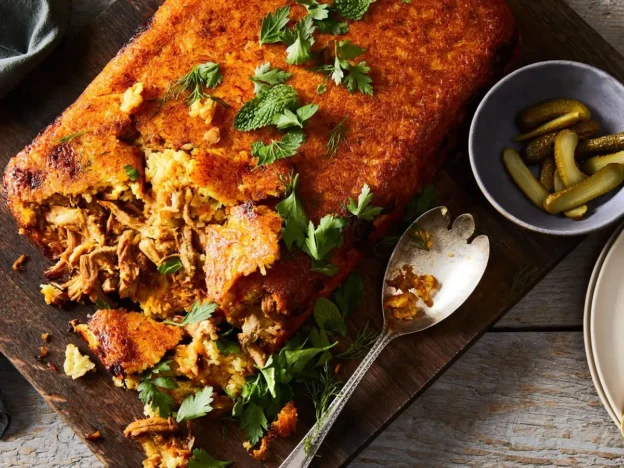
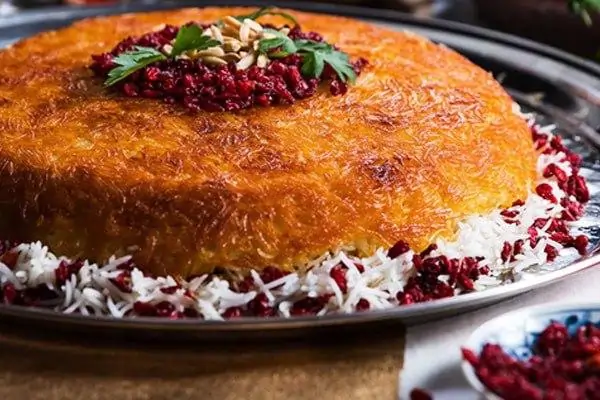
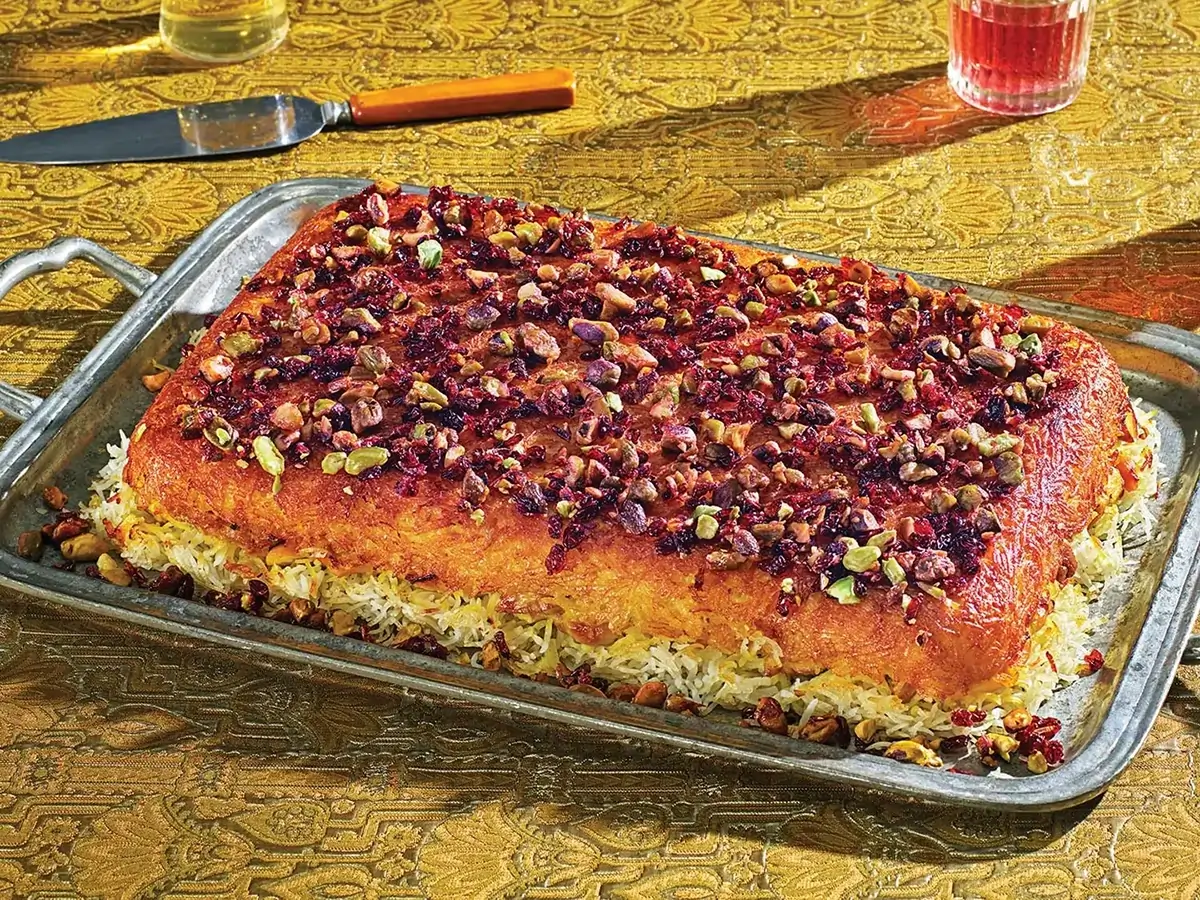
    Tahchin Morgh is a traditional Persian saffron rice cake layered with tender chicken, yogurt, and eggs, then baked to create a fragrant, golden crust (called tahdig). It’s celebrated for its beautiful appearance, aromatic flavors, and the signature crispy bottom that makes it a centerpiece of Iranian cuisine.

    What is Tahchin Morgh?

    Tahchin means “arranged at the bottom”—and what an arrangement it is! The dish is a striking golden rice “cake” layered with marinated chicken, all infused with saffron and baked until the bottom is crispy—a delicacy known as tahdig. The classic version, Tahchin Morgh, uses chicken (“morgh” in Persian), though there are variations with lamb, eggplant, and more.

    It’s both a main dish and a showpiece, perfect for sharing at family gatherings, parties, or special occasions. When you invert it onto a platter, the beautiful crispy layer on top is guaranteed to wow your guests.

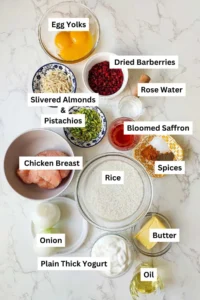
    Ingredients (Serves 4–6)

    Tip: Quality matters! Persian cooking is all about subtle flavors, so use the freshest, best-quality ingredients you can find, especially saffron.

    Tahchin-Morgh-Ingredients

    For the Chicken:

    • 2 large boneless, skinless chicken breasts or thighs
    • 1 medium onion, roughly chopped
    • 1 tsp turmeric powder
    • 1 tsp salt
    • 1/2 tsp black pepper
    • 1/2 tsp ground cinnamon (optional)
    • 2 tbsp. vegetable oil

    For the Rice Cake:

    • 2 cups basmati rice (Persian or Indian)
    • 1 cup thick plain yogurt (Greek-style ideal)
    • 2 large eggs (room temperature)
    • 1/2 tsp ground saffron, crumbled and dissolved in 2–3 tbsp hot water
    • 4 tbsp. vegetable oil or melted unsalted butter (or a combination)
    • Salt, to taste

    Optional Garnish:

    • 2–3 tbsp. dried barberries (zereshk) or dried cranberries, rinsed
    • 1 tbsp. butter
    • 1 tsp sugar
    • Slivered pistachios or almonds

    Equipment You’ll Need

    • Nonstick round baking dish or cake pan (9-inch/23-cm works well), or a nonstick pot with a lid
    • Large mixing bowls
    • Saucepan for boiling rice
    • Fine-mesh strainer or colander
    • Skillet (for chicken and garnishes)

    Step 1: Prepare the Chicken

    1. Marinate and Cook Chicken

    In a skillet or saucepan, heat 2 tbsp. oil and sauté the onions until soft and golden. Add the chicken, turmeric, cinnamon (if using), salt, and pepper. Sear both sides for a few minutes.

    Add enough water to cover halfway, cover with a lid, and let simmer gently for 25–30 minutes, until the chicken is tender and nearly all liquid absorbed.

    1. Shred & Save Broth

    Remove chicken to a plate and shred or cut into bite-sized strips. Reserve about 3 tbsp. of the cooking liquid (the broth) for later.

    Pro Tip: You can prepare the chicken a day in advance; chilled, shredded chicken works perfectly.

    Step 2: Parboil the Rice

    1. Rinse the Rice

    Place rice in a large bowl. Wash under cold water, swirling gently and draining, until water runs clear (this removes excess starch and prevents sticky rice).

    1. Parboil the Rice

    In a large pot, bring at least 6 cups of salted water to a rolling boil. Add rinsed rice and stir. Boil for 6–7 minutes: grains should be soft on the outside but still firm in the center (al dente).

    Drain immediately in a colander and rinse with lukewarm water to stop further cooking.

    Tip: Don’t overcook the rice at this stage! It will finish cooking in the oven.
    Step 3: Make the Tahchin Mixture

    1. Infuse Saffron

    Lightly crush the saffron threads and dissolve in several tablespoons of very hot (but not boiling) water. Allow the color and aroma to bloom for a few minutes.

    1. Prepare the Yogurt Base

    In a large mixing bowl, whisk together the yogurt, eggs, 2 tbsp. of the oil or butter, and saffron water. Add 1–2 tsp salt; taste and adjust if needed.

    1. Mix Rice and Broth

    Add the drained rice to the saffron-yogurt mixture. Toss gently to coat every grain. Add the reserved chicken broth—this enhances flavor and helps bind the rice.

    Step 4: Assemble the Tahchin

    1. Preheat oven to 180°C (350°F). Grease your nonstick dish liberally with remaining oil or butter.
    2. Spoon about half (or slightly more) of the rice mixture into the base of your dish. Smooth and firmly press with the back of a spoon to form a dense, even layer—this is key for the crust!
    3. Arrange the shredded chicken evenly on top, leaving a border so the chicken doesn’t touch the pan directly (to avoid burning).
    4. Top with the remaining rice mixture and press down well again.

    Optional: For the most authentic crust, you can drizzle a bit more melted butter or oil around the edges before baking.

    Step 5: Bake & Unmold

    1. Cover Tightly

    Cover the dish tightly with aluminum foil (or the lid, if using a pot).

    1. Bake

    Bake for 60–90 minutes. For an extra crisp crust, uncover and bake for the last 15 minutes. The longer the bake (without burning), the crunchier your tahdig will be!

    1. Cool Slightly & Invert

    Remove from oven and let rest for 10–15 minutes (important for easy unmolding).

    Run a knife around the edge, place a large plate over the dish, and carefully flip to invert. Gently lift the dish off to reveal the golden crust on top.

    Step 6: Garnish (Optional but Beautiful!)

    1. Melt 1 tbsp. butter in a small pan.
    2. Add rinsed barberries (or cranberries), sauté briefly, add 1 tsp sugar, and toss until berries are glossy and plump.
    3. Sprinkle these, along with toasted slivered nuts, over your Tahchin.

    Serving Suggestions

    Tahchin Morgh is best served hot and fresh, with sides that balance its richness:

    • Mast-o-khiar (yogurt with cucumber and mint)
    • Shirazi salad (chopped tomato, cucumber, onions, and herbs)
    • Pickled vegetables (torshi)
    • Extra plain yogurt or a slice of lime on the side

    Tips for Perfect Tahchin Morgh

    tips for Tahchine morgh

    • Saffron Quality: A small amount of high-quality saffron makes a big difference. Always bloom in hot water to release maximum aroma and color.
    • Eggs: They bind the rice and create the cake structure. Don’t skip them.
    • Crust: The magic is in pressing the rice down and using enough oil/butter along the base and sides.

    Troubleshooting to cook Tahchine Morgh:

    • Rice isn’t coming out of the pan cleanly?

    Let it cool a bit longer, and run a thin spatula around the edge to loosen before inverting.

    • Crust not crispy enough?

    Next time, increase bake time or the amount of oil/butter in the base.

    • Tahchin fell apart when flipping?

    Try pressing down the layers more firmly next time, and make sure all excess moisture is absorbed.

    Final Thoughts

    Making Tahchin Morgh is more than just preparing dinner—it’s an act of Persian hospitality and artistry. Don’t worry if your first attempt isn’t perfect; the flavors will still transport you straight to Iranian culture! With time, you’ll perfect that golden tahdig crust and might even start experimenting with your own fillings.

    Enjoy your Persian saffron rice cake and share a slice of Persia at your next meal!

    FAQs about “How to cook Tahchin-e Morgh”:

    • Can I make Tahchin vegetarian?

    Absolutely! Replace chicken with roasted eggplant, mushrooms, or just use the rice mixture for a classic saffron rice cake.

    • Can I cook it on the stovetop?

    Yes—use a thick-bottomed nonstick pot, cover tightly, and cook over low heat for 45–60 minutes.

    • Can I prepare ahead?

    Tahchin Morgh reheats well! Cover with foil and re-warm in a low oven.


  • How to Cook “Khoresht-e-Fesenjoon”(Persian traditional dish)

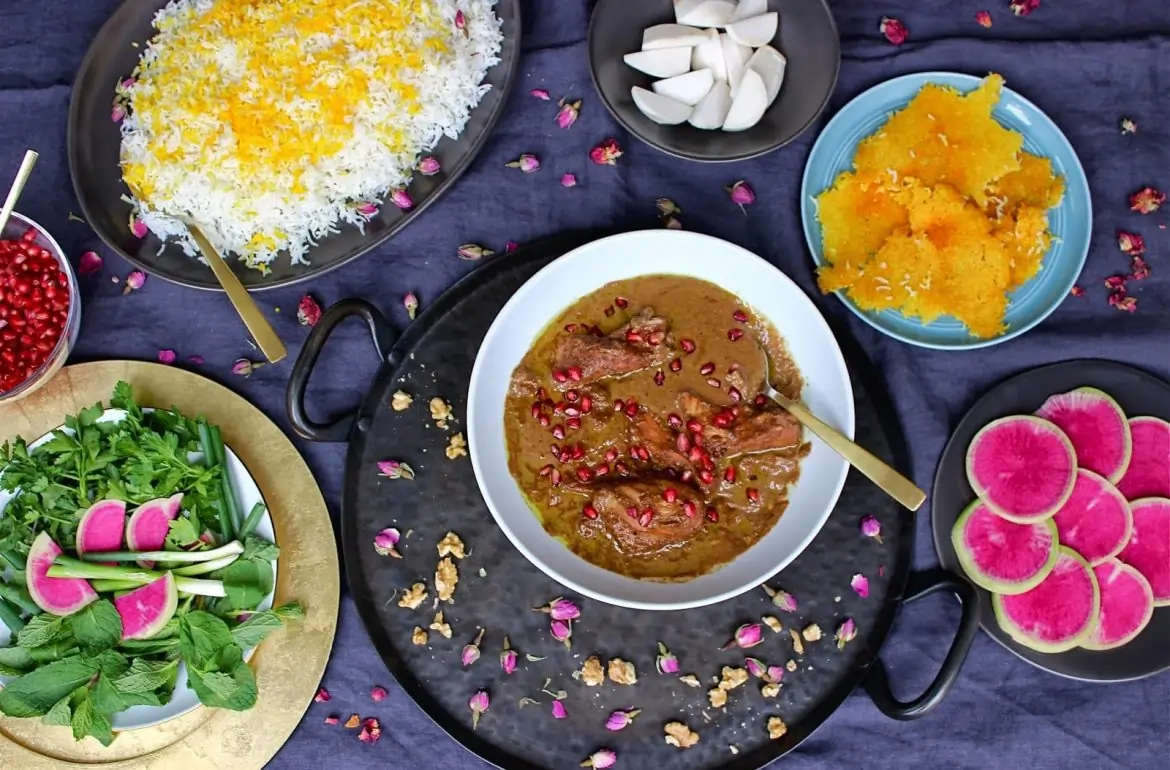
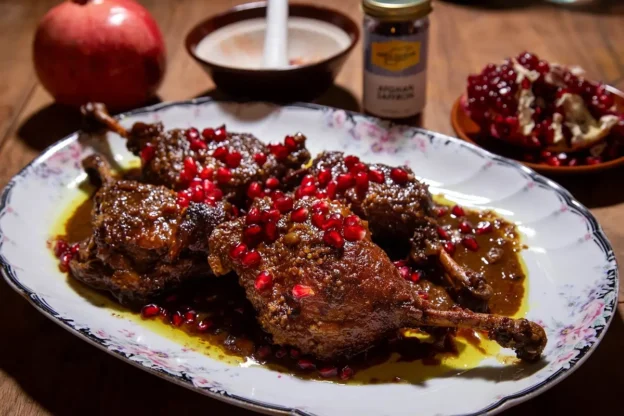
    Khoresht-e-Fesenjoon is a delicious and unique stew, known as a luxury meal between Iranian dishes, and is also known for its depth of flavor, striking appearance, and cultural significance. This Iranian dish blends walnuts and pomegranate to create a rich, tangy, and slightly sweet experience. In this guide, we’ll walk you through all you need to know about Fesenjoon, from its history to its recipe, cooking tips, and the perfect accompaniments.

    History of Fesenjoon

    Fesenjoon, sometimes spelled as Fesenjan, has its roots in the northern regions of Iran, especially around Gilan and Mazandaran. It dates back to the ancient Persian Empire, where walnuts and pomegranate were abundant and highly valued. The stew was traditionally served during festive occasions and has remained a culinary masterpiece in modern Iranian cuisine.

    Why is Fesenjoon Famous?

    Fesenjoon’s fame comes from its unique flavor profile and visual appeal. Unlike any Ghorme Sabzi, its combination of ground walnuts and pomegranate molasses creates a savory dish that’s both nutty and fruity. Its deep, mahogany color and velvety texture make it a centerpiece at Persian feasts. The dish is also often associated with celebration and family gatherings which is a big deal in Persian culture, adding a layer of nostalgia and significance.

    Ingredients

    Fesenjoon-Ingredients

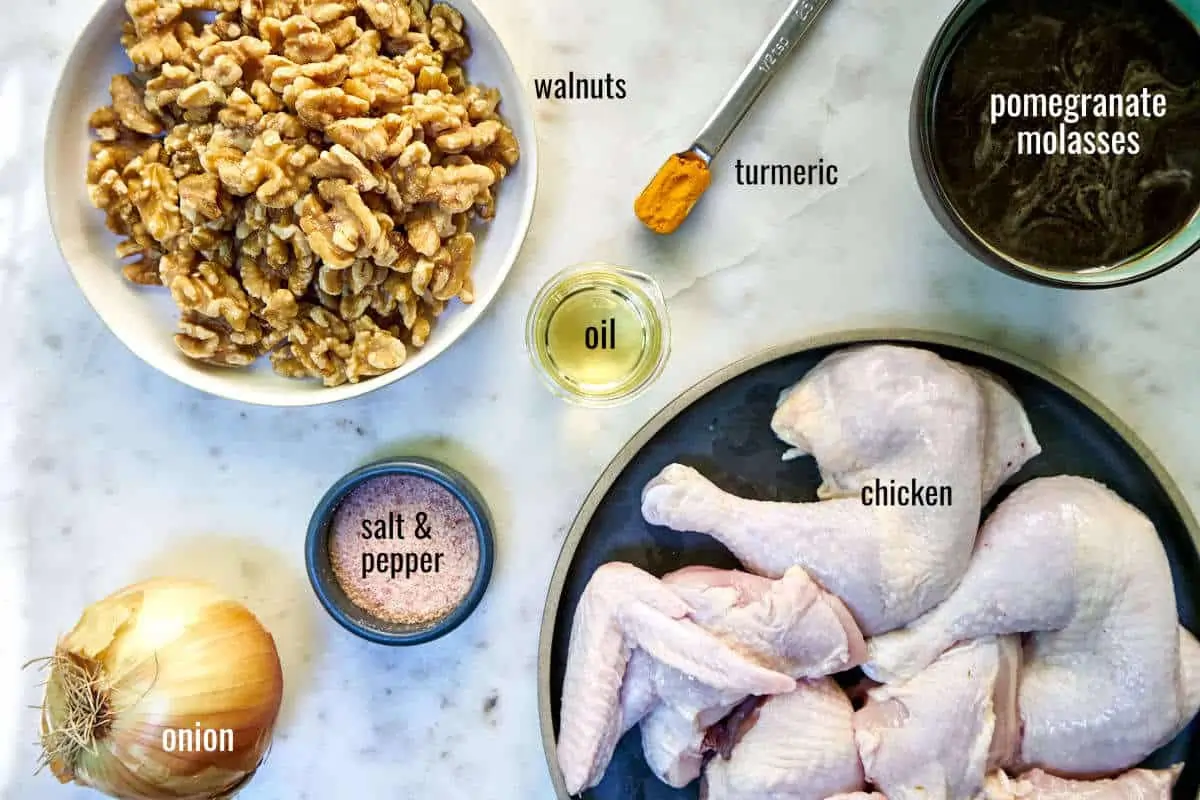
    The classic ingredients for authentic Khoresht-e-Fesenjoon are:

    • Chicken pieces (alternatively, duck or meatballs)
    • Walnuts, finely ground (about 300g for 4 people)
    • Pomegranate molasses (about 1/2 to 1 cup, depending on your taste)
    • Onion, one large, finely chopped
    • Water (enough to cover the ingredients)
    • Salt and pepper, to taste
    • Turmeric (optional, for extra flavor)
    • Sugar (optional, to balance tartness)
    • Cooking oil (for sautéing)

    How to Cook Khoresht-e-Fesenjoon

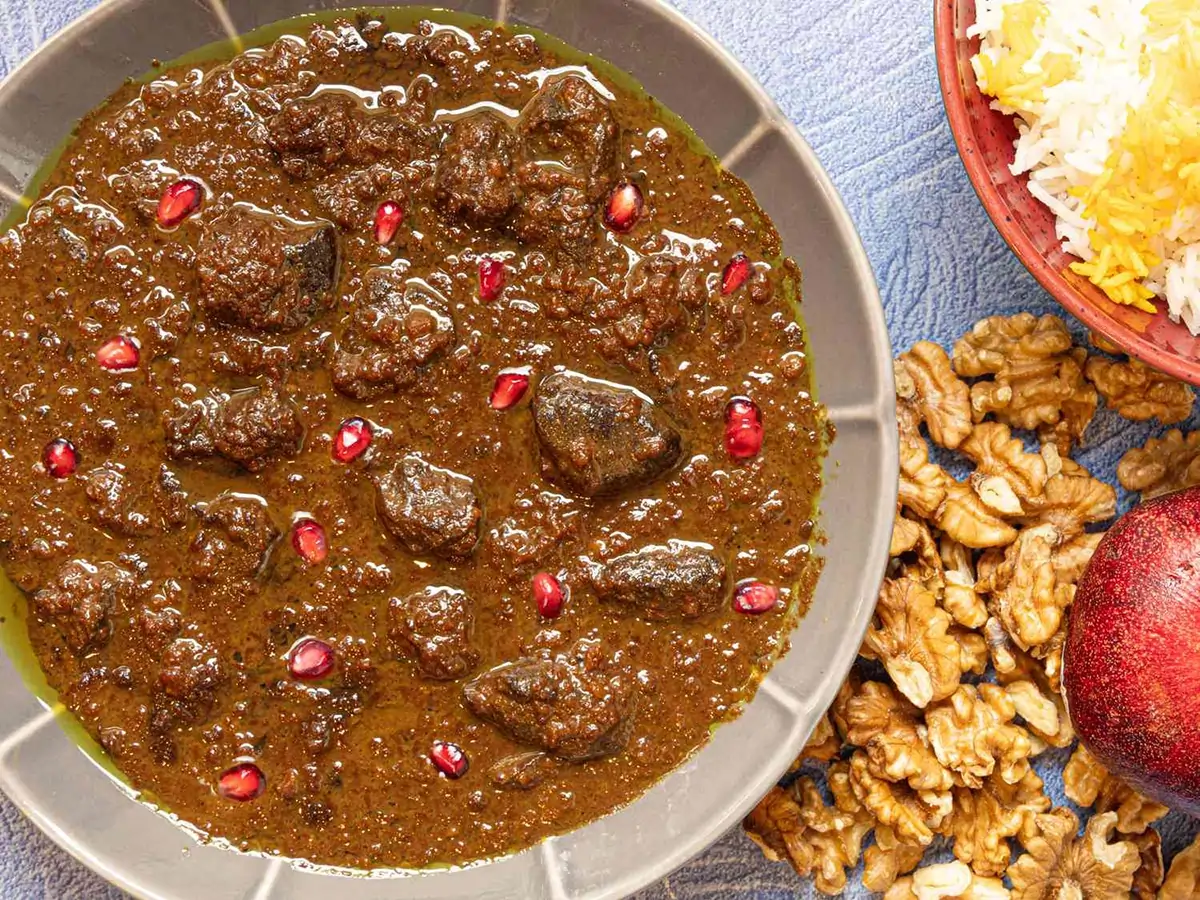
    Fesenjan stew

    Step 1: Prepare the Walnuts

    • Grind the walnuts in a food processor until they become a fine, almost peanut-buttery paste.

    Step 2: Sauté the Onion and Chicken

    • In a large pot, heat some oil and sauté the chopped onion until golden.
    • Add the chicken pieces, salt, pepper, and a pinch of turmeric, and brown on all sides.

    Step 3: Add Walnuts

    • Add the ground walnuts to the pot. Stir continuously to prevent sticking and let the oil from the walnuts release.

    Step 4: Add Water and Simmer

    • Pour enough water to cover the ingredients. Bring to a gentle simmer. Cover and let it cook for about 1 hour, stirring occasionally.

    Step 5: Add Pomegranate Molasses

    • Add the pomegranate molasses gradually, tasting as you go. Simmer for another hour, allowing the stew to darken and thicken.

    Step 6: Adjust Flavor

    • Taste your Fesenjoon. If it’s too tart, add sugar to balance it. If too thick, thin with a little water; if too watery, continue simmering uncovered.

    Step 7: Serve

    • Once the oil from the walnuts appears on top and the stew is a deep brown, it’s ready to serve.

    Tips to Cook Fesenjoon

    • Quality Walnuts: Fresh, high-quality walnuts make all the difference.
    • Low and Slow: Simmer the stew slowly to develop flavor and achieve the right texture.
    • Taste as You Go: The tartness of pomegranate molasses can vary, so taste and adjust sweetness.
    • Resting Time: Fesenjoon tastes even better the next day after the flavors meld.

    What to Serve Beside Fesenjoon?

    Khoresh-e-Fesenjan

    Fesenjoon is traditionally served over Persian saffron rice (chelow). Popular sides include:

    • Sabzi khordan (fresh herbs)
    • Torshi (pickled vegetables)
    • Yogurt with cucumber or mint
    • Lavash or other Iranian breads

    Is Fesenjoon Healthy?

    Fesenjoon is relatively healthy, especially if made with minimal oil and chicken instead of fattier meats. Walnuts provide healthy fats and omega-3s, while pomegranate brings antioxidants. Be mindful of the sugar content if you’re watching your intake, and enjoy this dish as part of a balanced diet.

    In summary…

    Khoresht-e-Fesenjoon is a showstopper on any Persian table. Its blend of flavors, historical significance, and versatility make it a must-try for any home cook interested in world cuisine. Give this recipe a try and experience the taste of Iranian tradition!


  • کنسرت‌های ایرانی در خارج از کشور

    کنسرت‌های ایرانی در خارج از کشور چیزی فراتر از یک رویداد موسیقی هستند؛ آن‌ها به مثابه یک آیینه فرهنگی عمل می‌کنند که در آن میلیون‌ها ایرانی مهاجر می‌توانند بازتابی از هویت، خاطرات و حس تعلق به وطن خود را ببینند و تجربه کنند. وقتی صدای یک خواننده ایرانی در سالن‌های باشکوه شهرهای مختلف جهان طنین‌انداز می‌شود، چیزی عمیق‌تر از نت‌ها و آهنگ‌ها در جریان است.

    این صداها حامل حس مشترک غربت، اشتیاق به وطن و پیوند دوباره با ریشه‌ها هستند؛ حتی اگر این پیوند تنها برای چند ساعت کوتاه باشد. در این لحظات، سالن کنسرت به مکانی تبدیل می‌شود که زمان در آن متوقف می‌گردد و مهاجران می‌توانند خود را در کوچه‌پس‌کوچه‌های خاطرات کودکی، آوازهای قدیمی و لحظات مشترک با عزیزانشان پیدا کنند.

    چرا کنسرت‌های ایرانی برای مهاجران اهمیت دارند؟

    کنسرت‌های ایرانی برای جامعه مهاجر ایرانی تنها یک سرگرمی نیستند؛ این رویدادها نقش مهمی در حفظ هویت فرهنگی و ایجاد ارتباط میان افراد دارند. در ادامه به دلایل کلیدی این اهمیت می‌پردازیم:

    1. بازآفرینی نوستالژی و خاطرات مشترک:

    برای بسیاری از ایرانیان مهاجر، آهنگ‌هایی که در کنسرت‌ها اجرا می‌شوند، یادآور روزهای گذشته، جشن‌های خانوادگی و لحظات خاص زندگی در ایران هستند. شنیدن این آهنگ‌ها در شهرهایی دور از وطن، حس بازگشت به خانه را زنده می‌کند و پلی میان گذشته و حال ایجاد می‌کند.

    1. فضایی برای دیدار و پیوند با هم‌زبان‌ها:

    زندگی در غربت اغلب با انزوا و دوری از فرهنگ و زبان مادری همراه است. کنسرت‌ها به عنوان یک نقطه تلاقی، فرصتی فراهم می‌کنند تا ایرانیان مهاجر با یکدیگر آشنا شوند، دوستی‌های جدید بسازند و شبکه‌ای از ارتباطات فرهنگی و اجتماعی ایجاد کنند. این دیدارها گاهی به همکاری‌های حرفه‌ای یا پیوندهای عمیق‌تر منجر می‌شود.

    1. حمایت از هنرمندان ایرانی و صدایی برای ایران:

    حضور در کنسرت‌های ایرانی به معنای پشتیبانی از هنرمندانی است که با وجود چالش‌های بسیار، تلاش می‌کنند صدای فرهنگ و هنر ایران را به گوش جهانیان برسانند. این حمایت نه تنها به ادامه فعالیت این هنرمندان کمک می‌کند، بلکه به حفظ و معرفی موسیقی و فرهنگ ایرانی در سطح بین‌المللی نیز منجر می‌شود.

    کنسرت‌های ایرانی در کدام کشورها و شهرها برگزار می‌شوند؟

    Farzad_Farzin

    جامعه ایرانیان مهاجر در سراسر جهان پراکنده است و به همین دلیل، کنسرت‌های ایرانی در کشورهای متعددی برگزار می‌شوند. در ادامه به تفکیک کشورها و شهرهای مهم میزبان این رویدادها، توضیحات جامعی ارائه می‌شود:

    1. ایالات متحده آمریکا:

    آمریکا یکی از اصلی‌ترین مقاصد کنسرت‌های ایرانی است، به‌ویژه در شهرهایی با جمعیت بالای ایرانیان. لس‌آنجلس که به “تهرانجلس” معروف است، مرکز اصلی این رویدادها محسوب می‌شود. سالن‌های بزرگی مانند Dolby Theatre و Microsoft Theater اغلب میزبان خوانندگان مطرح ایرانی هستند.

    علاوه بر لس‌آنجلس، شهرهای دیگری مانند نیویورک، شیکاگو، هیوستون و واشنگتن دی‌سی نیز به طور منظم کنسرت برگزار می‌کنند. این کنسرت‌ها معمولاً با استقبال گسترده‌ای مواجه می‌شوند و بلیت‌ها به سرعت به فروش می‌رسند. همچنین، در برخی ایالت‌ها مانند کالیفرنیا و تگزاس، جشنواره‌های فرهنگی ایرانی همراه با موسیقی زنده برگزار می‌شود که به جذابیت این رویدادها می‌افزاید.

    1. کانادا:

    کانادا، به‌ویژه شهرهای تورنتو و ونکوور، از دیگر مقاصد محبوب برای کنسرت‌های ایرانی است. تورنتو به دلیل داشتن یکی از بزرگ‌ترین جوامع ایرانی در آمریکای شمالی، میزبان تورهای متعدد خوانندگان ایرانی است. سالن‌هایی مانند Roy Thomson Hall و Sony Centre در تورنتو اغلب میزبان این رویدادها هستند. در ونکوور نیز سالن‌های کوچکتر اما صمیمی‌تر مانند Orpheum Theatre به محل برگزاری کنسرت‌ها تبدیل می‌شوند. این کنسرت‌ها معمولاً با برنامه‌های جانبی مانند فروش غذاهای ایرانی و محصولات فرهنگی همراه هستند.

    1. بریتانیا:

    لندن، پایتخت بریتانیا، یکی از مراکز مهم برگزاری کنسرت‌های ایرانی در اروپا است. سالن‌های معروفی مانند Royal Albert Hall و Eventim Apollo بارها میزبان هنرمندان ایرانی بوده‌اند. جامعه ایرانی در لندن بسیار فعال است و این کنسرت‌ها اغلب به سرعت پر می‌شوند. علاوه بر لندن، شهرهایی مانند منچستر و بیرمنگام نیز گاهی میزبان رویدادهای کوچکتر هستند. این کنسرت‌ها معمولاً با حضور دی‌جی‌های ایرانی و برنامه‌های رقص همراه هستند که فضایی شاد و پرانرژی ایجاد می‌کنند.

    1. آلمان:

    آلمان به دلیل داشتن جامعه بزرگ ایرانی، یکی از مقاصد اصلی تورهای کنسرت در اروپا است. شهرهایی مانند کلن، هامبورگ، فرانکفورت و برلین به طور منظم میزبان کنسرت‌های ایرانی هستند. سالن Lanxess Arena در کلن و Barclays Arena در هامبورگ از جمله مکان‌های محبوب برای این رویدادها هستند. کنسرت‌ها در آلمان اغلب با استقبال گسترده‌ای مواجه می‌شوند و به دلیل تنوع فرهنگی در این کشور، گاهی غیرایرانیان نیز در این برنامه‌ها شرکت می‌کنند.

    1. استرالیا:

    در استرالیا، شهرهای سیدنی و ملبورن میزبان اصلی کنسرت‌های ایرانی هستند. سالن‌هایی مانند Sydney Opera House (برای اجراهای خاص) و State Theatre در سیدنی، و همچنین Hamer Hall در ملبورن، اغلب میزبان این رویدادها هستند. جامعه ایرانی در استرالیا اگرچه کوچک‌تر از آمریکا یا کانادا است، اما بسیار فعال است و کنسرت‌ها معمولاً با برنامه‌های فرهنگی متنوع به خصوص در ایام نوروز همراه هستند.

    1. ترکیه:

    استانبول به دلیل نزدیکی جغرافیایی به ایران و هزینه‌های نسبتاً پایین‌تر برگزاری کنسرت، یکی از مقاصد محبوب برای هنرمندان ایرانی است. سالن‌هایی مانند Zorlu PSM و Volkswagen Arena در استانبول میزبان کنسرت‌های متعددی هستند. این کنسرت‌ها معمولاً با استقبال گسترده‌ای از سوی ایرانیان ساکن ترکیه و حتی گردشگران ایرانی مواجه می‌شوند.

    1. امارات متحده عربی:

    دبی به عنوان یک مرکز بین‌المللی، یکی از مقاصد مهم برای کنسرت‌های ایرانی در خاورمیانه است. سالن‌هایی مانند Dubai Opera و Etihad Arena میزبان خوانندگان مطرح ایرانی هستند. دبی به دلیل موقعیت جغرافیایی و امکانات مدرن، اغلب به عنوان مقصدی برای تورهای بزرگ انتخاب می‌شود و کنسرت‌ها در این شهر معمولاً با برنامه‌های لوکس و تفریحی همراه هستند.

    1. سوئد و نروژ:

    در کشورهای اسکاندیناوی، شهرهایی مانند استکهلم و اسلو میزبان کنسرت‌های ایرانی هستند. جامعه ایرانی در این کشورها اگرچه کوچک است، اما بسیار متحد و فعال است. سالن‌هایی مانند Globe Arena در استکهلم اغلب میزبان این رویدادها هستند و کنسرت‌ها معمولاً فضایی صمیمی و خانوادگی دارند.


    چگونه از زمان و مکان کنسرت‌ها باخبر شویم؟

    چکونه از زمان کنسرت ها با خبر شویم؟

    در دنیای دیجیتال امروز، دسترسی به اطلاعات مربوط به کنسرت‌های ایرانی آسان‌تر از همیشه شده است. در ادامه چند روش برای اطلاع از این رویدادها آورده شده است:

    • دنبال کردن سایت‌ها و صفحات تخصصی رویدادهای ایرانی:

    پلتفرم‌هایی مانند Radio Javan Events یا Pars Entertainment و آب هویج به طور منظم اطلاعات مربوط به کنسرت‌ها، تورها و برنامه‌های فرهنگی ایرانی را منتشر می‌کنند.

    • عضویت در گروه‌های ایرانی در شبکه‌های اجتماعی:

    گروه‌های تلگرامی و صفحات اینستاگرامی که توسط جوامع ایرانی در شهرهای مختلف مدیریت می‌شوند، یکی از بهترین راه‌ها برای دریافت اخبار کنسرت‌ها هستند.

    • استفاده از وب‌سایت‌های جامع رویدادها:

    برخی وب‌سایت‌ها به طور خاص برای اطلاع‌رسانی درباره رویدادهای فرهنگی ایرانی طراحی شده‌اند و لیست کاملی از کنسرت‌ها ارائه می‌دهند.

    • دنبال کردن هنرمندان در شبکه‌های اجتماعی:

    بسیاری از خوانندگان ایرانی، برنامه تورهای خود را مستقیماً از طریق صفحات اینستاگرام یا توییتر اعلام می‌کنند.

    جدول زیر رویدادهای ذکرشده در آب هویج را به  به‌عنوان نام خواننده یا رویداد بازنویسی کرده است. تمامی زمان‌ها به وقت CEST هستند مگر اینکه ذکر شده باشد

    خواننده/رویداد تاریخ مکان رویداد توضیحات محدوده قیمت
    جواد یاسری ۳ مه – ۴ ژوئیه ۲۰۲۵<br>۱۹:۳۰ – ۰۰:۰۰ لایت هاوس، لندن، بریتانیا<br>(262-274 Camberwell Rd, SE5 0AY) کنسرت جواد یاسری در لندن کنسرت باشکوه بزرگداشت ۵۰ سال فعالیت جواد یاسری در موسیقی کوچه‌بازاری ایران. ۴۹ – ۵۰۰ پوند
    جواد یاسری ۲۳ – ۲۴ مه ۲۰۲۵<br>۲۰:۰۰ – ۰۰:۰۰ ای‌آر ایونت، هانوفر، آلمان<br>(Hagenbleckstraße 52, 30455) کنسرت جواد یاسری در هانوفر اجرای جواد یاسری با حضور موری.آ و دی‌جی بمبک برای دورهمی نوستالژیک پارسی‌زبانان. ۴۹ – ۷۹ یورو
    معین ۲۴ مه ۲۰۲۵<br>۲۱:۰۰ – ۲۳:۳۰ اوبر ایتس موزیک هال، برلین، آلمان<br>(Mercedes-Platz 2, 10243) کنسرت معین در برلین اجرای زنده معین، محدودیت سنی ۶ سال. ۹۹ – ۳۵۰ یورو
    معین ۲۹ – ۳۰ مه ۲۰۲۵<br>۲۱:۰۰ – ۰۰:۰۰ یارهوندرت‌هاله، فرانکفورت، آلمان<br>(Pfaffenwiese 301) کنسرت معین در فرانکفورت اجرای زنده معین، محدودیت سنی ۶ سال. ۸۹ – ۲۹۹ یورو
    جواد یاسری ۳۰ – ۳۱ مه ۲۰۲۵<br>۲۱:۰۰ – ۰۲:۰۰ سالن فارایا، استکهلم، سوئد<br>(Rissneleden 110, Sundbyberg) کنسرت جواد یاسری در استکهلم شبی خاطره‌انگیز با جواد یاسری و دو دی‌جی در سالن فارایا. ۴۰۰ – ۱۱۹۰ کرون
    معین ۳۱ مه – ۱ ژوئن ۲۰۲۵<br>۲۰:۳۰ – ۰۰:۰۰ اووی‌او آرنا ومبلی، لندن، بریتانیا<br>(Arena Square, Engineers Way, HA9 0AA) کنسرت معین در لندن اجرای زنده معین، محدودیت سنی بالای ۵ سال. ۵۵ – ۲۴۵ پوند
    شاهین نجفی ۲۰ ژوئن ۲۰۲۵<br>۲۰:۰۰ – ۲۳:۰۰ مرکز الکساندرا، الکساندریا، استرالیا<br>(65 Doody St, NSW 2015) کنسرت شاهین نجفی در سیدنی اجرای زنده شاهین نجفی در سیدنی. ۱۶۰ – ۳۵۰ دلار
    شاهین نجفی ۲۷ ژوئن ۲۰۲۵<br>۲۰:۰۰ – ۲۳:۰۰ تالار شهر آدلاید، آدلاید، استرالیا<br>(128 King William St, SA 5000) کنسرت شاهین نجفی در آدلاید اجرای زنده شاهین نجفی در آدلاید. ۱۲۰ – ۳۰۰ دلار
    فستیوال مایند آن فایر ۲۱ – ۲۴ اوت ۲۰۲۵ شلوس‌پارک شلیتز، هسن، آلمان<br>(Gräfin-Anna-Straße 4) فستیوال مایند آن فایر ۲۰۲۵ فستیوال ۴ روزه با موسیقی جهانی، کارگاه‌های خلاق، هنر، کمپینگ و فعالیت‌های اجتماعی. ۵۰ یورو
    شاهین نجفی ۱۸ اکتبر ۲۰۲۵<br>۲۰:۳۰ – ۲۳:۰۰ تئاتر اسپانت، آمستردام، هلند<br>(Doctor Abraham Kuyperlaan 3, 1402 SB Bussum) کنسرت شاهین نجفی در آمستردام اجرای زنده شاهین نجفی در آمستردام. ۷۹ – ۱۶۹ یورو

    تجربه‌ای فراتر از موسیقی: یک جشن فرهنگی

    Alireza_Ghorbani_Concert

    کنسرت‌های ایرانی در خارج از کشور تنها به اجرای موسیقی محدود نمی‌شوند؛ این رویدادها اغلب به یک جشن فرهنگی کامل تبدیل می‌شوند که جنبه‌های مختلفی از هویت ایرانی را به نمایش می‌گذارند. برخی از ویژگی‌های جانبی این کنسرت‌ها عبارت‌اند از:

    • برنامه‌های جانبی مانند دی‌جی و رقص:

    پس از اجرای اصلی، دی‌جی‌هایی با پخش موسیقی‌های شاد، فضا را برای رقص و شادی آماده می‌کنند.

    • فروش محصولات فرهنگی و سنتی ایرانی:

    غرفه‌هایی برای فروش کتاب‌های فارسی، صنایع دستی، لباس‌های سنتی و خوراکی‌های محبوب ایرانی وجود دارد.

    • ارتباط با کسب‌وکارهای ایرانی محلی:

    کنسرت‌ها بستری برای معرفی و تبلیغ کسب‌وکارهای ایرانی در شهر میزبان هستند.

    • فضایی برای تبادل فرهنگی:

    این رویدادها گاهی به محلی برای تعامل میان ایرانیان و غیرایرانیان تبدیل می‌شوند و به معرفی فرهنگ ایرانی کمک می‌کنند.

    نتیجه‌گیری

    کنسرت‌های ایرانی در خارج از کشور بیش از یک اجرای موسیقایی هستند؛  این رویدادها با پراکندگی گسترده در کشورهای مختلف، از آمریکا و کانادا گرفته تا اروپا، استرالیا و خاورمیانه، فرصتی بی‌نظیر برای حفظ و گسترش فرهنگ ایرانی فراهم می‌کنند. اگر شما هم جزو علاقه‌مندان به این کنسرت‌ها هستید، از پلتفرم آب هویج استفاده کنید و تجربه حضور در این جشن‌های فرهنگی را از دست ندهید. هر نت موسیقی و هر آواز در این کنسرت‌ها، داستانی از ایران و ایرانیان را روایت می‌کند که شایسته شنیده شدن است.

    سوالات متداول درباره کنسرت‌های ایرانی در خارج از کشور

    1. کنسرت‌های ایرانی بیشتر در کدام کشورها برگزار می‌شوند؟

      پاسخ: آمریکا، کانادا، بریتانیا، آلمان، استرالیا، ترکیه، امارات متحده عربی.

    2. چگونه از زمان و مکان کنسرت‌های ایرانی مطلع شویم؟

      پاسخ: از طریق سایت‌های آب هویج،  Radio Javan Events یا Pars Entertainment، گروه‌های ایرانی در شبکه‌های اجتماعی، و صفحات هنرمندان.

    3. آیا کنسرت‌های ایرانی فقط شامل موسیقی هستند؟

      پاسخ: خیر، شامل دی‌جی، رقص، فروش محصولات فرهنگی و سنتی ایرانی، و فضایی برای تبادل فرهنگی.

    4. کدام شهرهای آمریکا بیشترین کنسرت‌های ایرانی را دارند؟

      پاسخ: لس‌آنجلس، نیویورک، شیکاگو، هیوستون، واشنگتن دی‌سی.

    5. تفاوت کنسرت‌های خوانندگان داخل ایران و لس‌آنجلسی چیست؟

      پاسخ: خوانندگان داخل ایران تحت قوانین فرهنگی ایران فعالیت می‌کنند؛ خوانندگان لس‌آنجلسی محدودیت کمتری دارند و اغلب پاپ می‌خوانند.

    6. چرا لس‌آنجلس مرکز کنسرت‌های ایرانی است؟

      پاسخ: به دلیل جمعیت بزرگ ایرانی، حضور خوانندگان لس‌آنجلسی، و سالن‌های حرفه‌ای مانند Dolby Theatre.

    7. آیا غیرایرانیان در کنسرت‌های ایرانی شرکت می‌کنند؟

      پاسخ: بله، به دلیل جذابیت موسیقی و فرهنگ ایرانی، گاهی غیرایرانیان هم شرکت می‌کنند.

    8. هزینه بلیت کنسرت‌های ایرانی چقدر است؟

      پاسخ: از 50 دلار تا چند صد دلار برای صندلی‌های VIP، بسته به شهر، سالن، و خواننده.


  • How to Cook Kabab Koobideh (Persian Recipe)

    If you’ve ever strolled past a Persian grill or dined at an Iranian celebration, you’ve likely been enchanted by the scent of smoky, spiced meat sizzling over open flames. That irresistible aroma? It’s almost certainly Kabab Koobideh—one of the crown jewels of Persian cuisine. This dish isn’t just food; it’s an experience that combines centuries of history, precise technique, and deeply satisfying flavors. Whether you’re a seasoned home chef or just beginning your culinary journey, learning to prepare Kabab Koobideh is a delicious way to impress both your friends and your own taste buds. Read on to discover what makes this kebab so special, how to master it at home, and where to find the best Koobideh in Europe!

    Kabab Koobideh is a celebrated Persian dish made from seasoned ground beef or lamb, finely grated onions, and delicate spices, expertly molded onto wide, flat skewers and grilled over open flames to create irresistibly juicy, aromatic kebabs that are cherished at every Iranian table.

    What is Kabab Koobideh?

    Kabab Koobideh is a beloved Iranian dish made from ground meat—usually beef, lamb, or a mix of both—mixed with onion and a handful of carefully selected spices. The name “Koobideh” derives from the Persian word “koobidan,” meaning “to beat” or “to pound,” referencing the traditional method of preparing the meat. Unlike many kababs that use chunks of meat, Koobideh is shaped around wide, flat skewers and grilled to perfection. Its signature texture is tender and juicy, bursting with savory depth, and it’s often served alongside fluffy Persian rice, grilled tomatoes, and fresh herbs.

    The History of Kabab Koobideh

    Kabab Koobideh is more than just a meal; it is a symbol of Persian hospitality and culture. Its origins date back hundreds of years, believed to have evolved from the ancient traditions of grilling meat over open fires—a technique shared by various cultures along the Silk Road. Over time, Iranian chefs elevated the recipe by perfecting the grind and mixing of meats, and by introducing onions and subtle seasonings to enhance flavor and tenderness.

    Today, Koobideh is a cornerstone of Iranian gatherings, from Sunday family meals to the lavish feasts of Nowruz (Persian New Year), and is celebrated as a dish that brings people together across generations.

    What Are the Nutrition Facts of Kabab Koobideh?

    When it comes to nutrition, Kabab Koobideh is both hearty and wholesome, particularly when paired with vegetables and rice. Here’s a closer look at its nutritional profile (amounts vary depending on recipe and serving size):

    • Protein: High, owing to generous portions of beef or lamb—great for muscle health and satiety.
    • Fat: Medium to high, especially when using lamb or beef with some fat, which contributes to its juiciness and flavor.
    • Carbohydrates: Very low in the kabab itself, making it appealing for low-carb diets (though traditionally served with rice or bread).
    • Micronutrients: Rich in iron, zinc, B vitamins (from the meat), and vitamin C and antioxidants (from onions and herbs).

    A typical skewer (about 150 grams cooked) provides roughly:

    • Calories: 250–350 kcal
    • Protein: 20–25g
    • Fat: 18–25g
    • Carbs: 1–2g (excluding rice/bread)

    When enjoyed as part of a balanced meal, Kabab Koobideh is both indulgent and nutritious.

    How to Cook Kabab Koobideh in the Persian Way

    Koobideh with Rice

    Ingredients

    Traditional Kabab Koobideh

    • 500g ground beef or lamb (or a 50/50 blend), ideally with 20% fat for juiciness
    • 1 large onion (grated and well-drained)
    • 1.5 teaspoons salt
    • 1 teaspoon black pepper
    • ½ teaspoon turmeric
    • Flat metal skewers (essential for authentic results)

    Optional:

    • Pinch of sumac (for serving)
    • Saffron water or melted butter (for basting)
    • Grilled tomato, rice cake(Tahdig), or flatbread (for serving)

    Essential Seasonings:

    • Salt

      Brings out the meat’s natural flavors and helps with texture.

    • Black Pepper

      For mild heat and depth.

    • Onions

      Finely grated onions are absolutely crucial—they add moisture, natural sweetness, aroma, and help bind the meat. The onion is usually grated, excess juice squeezed out, and mixed thoroughly with the ground meat.

    • Turmeric

      Used in many Iranian recipes, turmeric gives a light earthy flavor and a subtle golden hue.

    Optional (But Common and Authentic) Extras:

    • Sumac

      A tangy, lemony spice often sprinkled on top after grilling, not usually mixed in.

    • Saffron

      Sometimes a little saffron water is brushed on during or after grilling for distinct aroma and rich color.

    Some modern recipes might add mild spices like paprika or even garlic powder, but classic koobideh usually sticks to the above list to keep the flavor true to Persian roots.

    Summary Table:

    Seasoning Role in Koobideh
    Salt Essential for taste
    Black pepper Depth, gentle heat
    Onion Aroma, moisture, binder
    Turmeric Color, subtle aroma
    Sumac (serving) Tangy finish
    Saffron (optional) Fragrance, rich color

    Recipe to cook Kabab Koobideh

    1. Prepare the Onion:

    Grate the onion and squeeze out as much juice as possible. This step is crucial; too much moisture will cause the kababs to fall off the skewers.

    1. Mix the Meat:

    In a large bowl, combine ground meat, grated onion, salt, pepper, and turmeric. Knead the mixture by hand for at least 5–8 minutes, until it’s sticky and slightly elastic. This helps the kabab hold together during grilling.

    1. Chill the Mixture:

    Cover and refrigerate the meat mixture for at least 1 hour (overnight is even better). This allows flavors to meld and the mixture to firm up.

    1. Shape the Kababs:

    With wet hands, take a handful of the mixture and shape it around a flat metal skewer, making a long, flat kabab about 2 cm thick. Make sure it’s evenly distributed and pressed tightly against the skewer.

    1. Grill:

    Preheat your charcoal grill or broiler to high heat. Place skewers on the grill, turning once for even char and doneness. Total cooking time should be about 6–8 minutes, or until cooked through with nice brown grill marks.

    1. Baste & Serve:

    As they finish cooking, brush the kababs with saffron water or melted butter. Serve immediately on a bed of hot rice with grilled tomatoes and a sprinkle of sumac.

    Tips and Techniques

    Kabab Koobideh on fire

    • Fat is Flavour: Don’t use extra-lean meat. Proper fat content is key for tenderness and preventing drying.
    • Drain Onions Well: Any excess moisture will prevent the kabab from sticking to the skewer.
    • Knead Well: This step cannot be skipped. A well-kneaded mixture is sticky and elastic, which ensures the kabab won’t crumble.
    • Skewer Size Matters: Use wide, flat metal skewers; thick enough to hold the meat but not too wide to prevent even cooking.
    • Charcoal Prefered: For the best flavor, use a charcoal grill. If not possible, use a hot broiler or grill pan.
    • Serving Suggestion: Serve with “chelow” (Persian saffron rice), grilled vegetables, and “sabzi khordan” (a plate of fresh herbs like basil, mint, and tarragon).

    Where to Find Best Kabab Koobideh in America?

    Kabab Koobideh

    If you’re craving authentic Kabab Koobideh in the United States, you’ll find some of the best versions in cities with vibrant Persian communities and celebrated Middle Eastern restaurants.

    Los Angeles, especially the neighborhoods of Westwood, known as “Tehrangeles,” and Glendale—offers an impressive array of Persian restaurants, such as Tehrano grill, Shamshiri Grill, Raffi’s Place, and Sofreh, each renowned for their flavorful, expertly grilled koobideh.

    In New York City, spots like Ravagh Persian Grill and Colbeh consistently earn praise for their traditional kabab.

    You’ll also find excellent Kabab Koobideh in Washington, D.C. (try Moby Dick House of Kabob), Chicago (visit Reza’s Restaurant), and Houston (don’t miss Kasra Persian Grill and Bijan Persian Grill).

    These restaurants focus on authentic techniques, high-quality meats, and classic presentations, ensuring you’ll experience the delicious taste of true Persian Kabab Koobideh right in America.

    Tip: Always look for family-operated restaurants or those with Iranian chefs for the most genuine flavor.

    The most common challenge to grill Koobideh:

    How do you keep the meat from falling off the skewers

    A common struggle is getting the meat to consistently adhere well to the skewers, despite successful seasoning and flavor. Home cooks often seek advice on mixing, meat-to-fat ratio, and technique to make sure kabobs don’t fall apart while grilling.

    What to Eat Beside Kabab Koobideh

    No Persian meal featuring Kabab Koobideh is complete without a selection of traditional sides that enhance and complement its flavors.

    • One of the most classic accompaniments is Sabzi Khordan, a platter of fresh herbs such as basil, mint, tarragon, and radishes. These crisp greens provide a refreshing contrast to the rich, juicy kabab.

    sabzi khordan(Herbs)

    • Pairing your koobideh with a glass of Dough, a tangy, yogurt-based Persian drink, helps balance the meal and cools the palate, especially on warmer days.

    doogh(Persian drink)

    • For a zesty kick, serve some Torshi, a medley of pickled vegetables that bring a delightful sourness and crunch to your bite.

    Torshi(Persian Pickles)

    • Finally, don’t forget Noon Sangak, the traditional Persian stone-baked bread. Its chewy texture and unique flavor are perfect for wrapping pieces of kabab or soaking up the savory juices. Together, these sides create a harmonious, authentic Persian dining experience.

    Noon Sangak(Persian Bread)

    nutrition facts table:

    table of the main nutrition facts for one average skewer (about 150 grams) of Kabab Koobideh:

    Nutrition Amount (Per 150g Skewer) Notes
    Calories 250–350 kcal Varies with fat content and meat type
    Protein 20–25 g From beef or lamb
    Fat 18–25 g Higher if using fattier meat
    Carbohydrates 1–2 g Almost none, unless served with rice/bread
    Iron 2.5–3.5 mg High, supports blood health
    Zinc 4–5 mg Immune support
    Vitamin B12 ~2.5 mcg From red meat
    Vitamin C 2–4 mg From onions, herbs
    Cholesterol 70–90 mg Typical for red meats
    Sodium 500–700 mg Depends on salt added

    Values are approximate and can vary by recipe, meat mix, and serving size.

    Conclusion

    Kabab Koobideh is much more than a kabab—it’s a culinary journey into the heart of Persian hospitality, tradition, and flavor. Rooted in history and cherished at every Persian table, this dish brings people together through the art of grilling and sharing. With detailed tips and careful technique, you can now recreate the magic of Kabab Koobideh in your own kitchen, or seek out the very best versions across Europe.

    Enjoyed learning about Koobideh? For even more delicious discoveries, don’t miss our other articles on Iranian cuisine, especially our complete guide to cook Ghorme Sabzi, the beloved Persian herb stew! Bon appétit, and happy grilling!

    FAQs

    • What kind of meat is best for Kabab Koobideh?

    A mix of ground beef and lamb with about 20% fat content is ideal for juicy, flavorful koobideh.

    • Why do my kababs fall off the skewer?

    Too much moisture in the onion or not kneading the meat mixture enough can cause kababs to fall apart. Squeeze onions well and knead thoroughly.

    • Can Kabab Koobideh be cooked without a grill?

    Yes! You can broil them in the oven on high heat or use a grill pan on the stove for similar results.

    • Do I need special skewers for Kabab Koobideh?

    Flat, wide metal skewers work best. Round or thin skewers may not hold the meat mixture properly.

    • Can I use chicken instead of beef or lamb?

    Yes, you can make chicken koobideh using ground chicken, but adding a bit of fat (like chicken thigh or a little oil) is important for moisture.

    • How long should I marinate the meat mixture?

    Let the mixture rest in the fridge for at least 1 hour (up to overnight) for best flavor and texture.

    • What side dishes go well with Kabab Koobideh?

    Serve with Persian rice (chelow), grilled tomatoes, fresh herbs (sabzi khordan), pickles, and flatbread.

    • Can I freeze Kabab Koobideh before cooking?

    Yes, shape the kababs on skewers, freeze them separated by wax paper, and cook straight from the freezer when ready.

  • How to cook “Ghormeh Sabzi” (Persian Herb Stew)

    Are you ready to experience the soul of Persian cuisine? Ghormeh Sabzi is one of tow main Persian meals, Kabab Koobideh is the first and then it is Ghoeme Sabzi which is not isn’t just a simple stew—it’s a flavorful journey rich with tradition, aroma, and comfort. Each spoonful brings together a symphony of fresh herbs, tender meat, and a splash of tangy dried lime, making it a true celebration at every Persian table.

    Whether you’re new to Persian food or searching for the secrets to perfecting this iconic dish, our step-by-step guide unlocks everything you need to create an unforgettable Ghormeh Sabzi at home. Get ready to impress your family and friends with the legendary taste of Iran’s favorite herb stew!

    What is Ghormeh Sabzi?

    close up ghorme sabzi with rice

    Ghormeh Sabzi is one of the most beloved and iconic dishes in Persian cuisine, which can not be easily found in any restaurant. Known for its rich flavor and aromatic blend of herbs, Ghormeh Sabzi is a slow-cooked stew made from a combination of fresh herbs, tender chunks of meat (traditionally lamb or beef), red kidney beans, dried limes (limoo amani), and spices.

    Its name literally translates to “herb stew,” and it is often served with fluffy Persian rice (chelow) for a comforting and aromatic meal. Ghormeh Sabzi is more than just a dish; it is a symbol of Persian hospitality and tradition, enjoyed at family gatherings and festive occasions alike.

    Ingredients to cook Ghoeme Sabzi

    ghormeh-sabzi ingredients

    Traditional Ghormeh Sabzi relies on simple, natural ingredients. The freshness and balance of each component are key to achieving its distinct taste. Here’s what you’ll need:

    Main Ingredients:

    • Lamb or Beef: 500g, cut into 2-3 cm cubes (lamb shoulder or stew beef are ideal)
    • Red Kidney Beans: 1 cup, soaked overnight (or use canned for convenience)
    • Onions: 2 medium, finely chopped
    • Oil: 3-4 tablespoons (vegetable or canola oil)
    • Salt and Black Pepper

    Fresh Herb Mixture:

    • Parsley: 2 cups, finely chopped (stems removed)
    • Cilantro (Coriander): 1 cup, finely chopped
    • Chives or Scallions: 1 cup, finely chopped (or Persian leek, if available)
    • Fenugreek Leaves: 2 tablespoons, chopped (dried or fresh; dried is more common and potent)
    • Spinach: (optional) 1 cup, finely chopped

    Other Essentials:

    • Dried Limes (Limoo Amani): 2-4, pierced with a fork several times (or use 2 tbsp lime juice if unavailable)
    • Turmeric: 1 tablespoon
    • Optional additions: Green onions, spinach (for extra green color), or other local greens

    How to Cook Ghormeh Sabzi

    How to cook Ghorme sabzi


    Follow these detailed steps for authentic flavor and texture:

    1. Prepare the Herbs

    • Wash all fresh herbs thoroughly to remove sand and grit.
    • Dry them completely; excess water can affect the sauté.
    • Finely chop or use a food processor for an even, fine texture.
    1. Sauté the Herbs

    • In a large non-stick skillet or pot, heat 2-3 tablespoons of oil.
    • Add the chopped herbs and sauté over medium-low heat for 15-30 minutes.
    • Stir constantly until the herbs are deep green and aromatic. This step brings out the flavor—do not skip or rush it.
    1. Cook the Meat and Beans

    • In a separate large pot, heat 1 tablespoon oil.
    • Sauté onions until golden.
    • Add cubed meat and brown on all sides.
    • Sprinkle turmeric and fry for another minute.
    • Add soaked and drained beans, and mix well.
    • Cover with enough water (about 5 cups).
    • Simmer for 30 minutes.
    1. Combine and Slow Cook

    • Add the fried herbs to the meat/bean pot.
    • Drop in the dried limes (pierce them first to help release flavor).
    • Season with salt and black pepper.
    • Stir well, cover, and simmer gently on low heat for 1.5 – 2 hours, stirring occasionally.
    • Skim any foam or fat that rises to the top.
    1. Final Seasoning and Serving

    Taste and adjust seasoning, adding more salt or dried lime juice if needed. The stew is ready when the beans are soft, the meat is tender, and the oil floats to the top. Serve hot with steamed Persian rice (chelow) and optional turmeric pickles or fresh Sabzi Khordan (herb platter).

    Tips to Cook Ghormeh Sabzi

    Ghorme sabzi

    • Freshness of Herbs: Use fresh herbs when possible. Dried herbs are a usable alternative but lack some vibrancy.
    • Herb Sauté: Do not burn the herbs! Stir frequently and use gentle heat for a lush, flavorful stew.
    • Fenugreek Caution: Fenugreek adds complexity but is strong—use sparingly to avoid bitterness.
    • Meat Choice: Lamb gives a richer taste, but beef is less fatty and equally traditional.
    • Dried Limes: Essential for the signature tang. If unavailable, use lime juice, but the result will differ.
    • Pot Size: Use a heavy pot to avoid burning or sticking during the long simmer.
    • Bean Texture: If using canned beans, add them in the last 30 minutes of cooking to prevent mushiness.
    • Flavor Depth: Let the stew sit for a few hours or overnight to enhance the flavors.
    • Fat Layer: Don’t panic about the layer of oil on top; it’s a sign of a perfectly cooked Ghormeh Sabzi.
    • Serving Suggestion: Serve with saffron rice, torshi (pickles), or freshly baked flatbread.
    • Perfect Rice Tahdig: For the classic crispy Persian rice crust (tahdig), rinse your rice well, parboil until just tender, then layer the bottom of the pot with oil and either thinly sliced potatoes, flatbread, or a mixture of rice and yogurt before steaming. Cook over low heat until the bottom is golden and crisp—then invert and serve for an impressive finish!

    What to Eat Beside Ghormeh Sabzi

    To truly enjoy Ghormeh Sabzi the Persian way, it’s best served with a few delicious side dishes and accompaniments that elevate the meal. The most traditional pairing is steamed Persian rice (chelow), which soaks up the rich flavors of the stew.

    Nutrition values of Ghorme Sabzi: 

    Nutrient Amount per Serving
    Calories 350 kcal
    Protein 22g
    Total Fat 16g
    – Saturated Fat 4.5g
    Cholesterol 55mg
    Total Carbohydrate 26g
    – Dietary Fiber 7g
    – Sugars 5g
    Sodium 600mg
    Potassium 820mg
    Vitamin A 30%
    Vitamin C 35%
    Calcium 10%
    Iron 23%

    finally…

    Many people also enjoy Ghormeh Sabzi with Sabzi Khordan—a fresh herb platter featuring basil, mint, radishes, and feta cheese—for a refreshing contrast. Crisp, tangy torshi (vegetable pickles) add an extra layer of zest, while warm flatbreads like lavash or sangak are perfect for dipping. For added authenticity, serve your meal with doogh, a chilled yogurt drink seasoned with mint, to balance the aromatic herbs. These classic sides complete the experience and make every Ghormeh Sabzi meal a flavorful Persian feast!

    FAQs about Ghormeh Sabzi

    1. Can I use dried herb mixes for Ghormeh Sabzi?

    Yes, Persian markets sell dried Ghormeh Sabzi herb mixes. Rehydrate them before sautéing, but fresh herbs yield superior flavor.

    1. What can I substitute for dried limes?

    Use fresh lime juice or lemon juice, but the flavor will be less complex and slightly different from the traditional dish.

    1. Can I make Ghormeh Sabzi vegetarian or vegan?

    Absolutely! Replace meat with mushrooms, eggplants, or jackfruit, and use vegetable broth. The depth comes from herbs and dried lime.

    1. How do I store and reheat leftovers?

    Store in airtight containers in the fridge for up to 4 days or freeze for 2-3 months. Reheat slowly on the stove to preserve flavor.

    1. Why do my herbs turn bitter?

    Overcooking or burning, especially fenugreek, causes bitterness. Sauté gently and avoid high heat.

    1. Which rice is best to serve with it?

    Persian long-grain rice (often Basmati) is ideal. Steam it for the classic, fluffy result.

    1. Can I use pressure cookers or slow cookers?

    Yes! Both can drastically cut cooking time. Sauté herbs and onions first, then cook on a low setting for several hours.

    1. What is the oil layer on top of Ghormeh Sabzi?

    It is from the herbs and meat. It locks in flavor and is a sign of an authentic, well-cooked stew. Skim if you prefer less.

    1. How spicy is Ghormeh Sabzi?

    It is not traditionally spicy, but you can add chili flakes or peppers if desired.

    1. What are the most important tips for beginners?

    Use good-quality, fresh herbs, properly sauté them, and be patient with slow simmering. Don’t skip the dried limes—they’re essential for authentic flavor.


  • How to Cook Iranian Tahdig: A Crispy Culinary Journey Through Time

    Tahdig, the coveted crispy, golden-brown rice crust at the bottom of a Persian rice pot, is more than just a delicious side; it’s a culinary tradition, a testament to the artistry of Iranian cooking. This article delves into the history of Tahdig, explores its diverse forms, and provides detailed recipes and tips for each type, ensuring your Tahdig journey is a resounding success.

    A Brief History of Tahdig

    The precise origins of Tahdig are lost to time, woven into the rich tapestry of Persian culinary history. However, its existence is deeply intertwined with the evolution of rice cultivation and cooking techniques in Persia. Centuries ago, before advanced cooking equipment was commonplace, the resourceful Persian cooks discovered that a delicious, crunchy layer formed at the bottom of the pot when rice was cooked slowly over low heat.

    This accidental discovery, born from necessity and resourcefulness, transformed into a culinary treasure cherished across generations. Tahdig became a symbol of hospitality, a delightful ending to a meal, and a testament to the enduring creativity of Persian cuisine. Its simplicity belies its significance, representing a deep connection to the past and the enduring spirit of Iranian cooking.

    Types of Tahdig: Recipes and Tips

    While the fundamental concept remains the same—a crispy rice layer—Tahdig boasts remarkable versatility. Let’s explore some popular varieties:

    Basic Ingredients (for most Tahdig types):

    • Basmati rice: 2 cups
    • Water: 4 cups (for soaking and parboiling)
    • Salt: 1 teaspoon
    • Vegetable oil: ¼ cup (for frying and layering)
    • Butter or ghee (optional): 2 tablespoons
    • Saffron threads (optional, for Saffron Tahdig): a pinch, soaked in 2 tablespoons hot water
    • Plain yogurt (optional, for Yogurt Tahdig): 2 cups

    Specific Ingredients for Different Types of Tahdig:

    1. Plain Tahdig

    Plain Tahdig

    • Rice, water, salt, oil, butter (optional)

    Recipe:

    • 2 cups basmati rice, rinsed thoroughly
    • 4 cups water
    • 1 tsp salt
    • ¼ cup vegetable oil
    • 2 tbsp butter or ghee (optional)
    1. Soak rice in cold salted water for at least 30 minutes.
    2. Parboil rice until slightly softened but still firm (about 5-8 minutes). Drain and rinse.
    3. Heat oil and butter in a heavy-bottomed pot.
    4. Spread a thin layer of parboiled rice evenly across the bottom.
    5. Add remaining rice, creating a slightly domed shape. Poke several holes with a wooden spoon.
    6. Cover tightly with a lid wrapped in a kitchen towel. Cook on low heat for 45-60 minutes, or until crispy and golden.
    7. Invert onto a serving platter.

    Tip: For extra crispiness, add a thin layer of oil directly onto the bottom of the pot before adding the rice.

    2. Potato Tahdig (Tahdig Sibzamini)

    potato Tahdig close up

    • All ingredients for Basic Tahdig +
    • 2 medium potatoes, thinly sliced

    Recipe:

    • Same as Plain Tahdig, plus:
    • 2 medium potatoes, thinly sliced
    1. Follow steps 1-3 of the Plain Tahdig recipe.
    2. Arrange potato slices in a single layer at the bottom of the pot before adding the rice.
    3. Proceed with steps 4-7 of the Plain Tahdig recipe.

    Tip: Use starchy potatoes for best results. Soaking the potato slices briefly can help prevent them from sticking.

    3. Lavash Bread Tahdig (Tahdig Nan Lavash)

    Lavash Tahdig

    • All ingredients for Basic Tahdig +
    • 1 lavash bread (Torn into pieces)

    Recipe:

    • Same as Plain Tahdig, plus:
    • 1 lavash bread, torn into pieces
    1. Follow steps 1-3 of the Plain Tahdig recipe.
    2. Arrange lavash pieces at the bottom of the pot before adding the rice.
    3. Proceed with steps 4-7 of the Plain Tahdig recipe. Reduce cooking time slightly to prevent burning.

    Tip: Lightly brush the lavash pieces with oil to ensure even crispiness.

    4. Saffron Tahdig (Tahdig Zaferani)

    Saffaron Tahdig

    • All ingredients for Basic Tahdig +
    • Pinch of saffron threads (soaked in hot water)

    Recipe:

    • Same as Plain Tahdig, plus:
    • Pinch of saffron threads, soaked in 2 tbsp hot water
    1. Follow steps 1-3 of the Plain Tahdig recipe.
    2. Mix saffron water with the bottom layer of rice before spreading it in the pot.
    3. Proceed with steps 4-7 of the Plain Tahdig recipe.

    Tip: Use high-quality saffron for the best flavor and color.

    5. Yogurt Tahdig (Tahdig Mast)

    Yogourt Tahdig

    • All ingredients for Basic Tahdig +
    • 2 cups plain yogurt

    Recipe:

    • 2 cups basmati rice, rinsed thoroughly
    • 4 cups water
    • 1 tsp salt
    • ¼ cup plain yogurt
    • 2 tbsp butter or ghee (optional)
    1. Mix the rinsed rice with the yogurt. Let it sit for 30 minutes.
    2. Parboil rice until slightly softened. Drain and rinse.
    3. Heat butter or ghee in a heavy-bottomed pot.
    4. Spread the yogurt-mixed rice evenly across the bottom.
    5. Add remaining rice, creating a slightly domed shape. Poke several holes with a wooden spoon.
    6. Cover tightly with a lid wrapped in a kitchen towel. Cook on low heat for 45-60 minutes, or until crispy and golden.
    7. Invert onto a serving platter.

    Tip: Use a thick, full-fat yogurt for the best results. Don’t overcrowd the pot.

    What to Serve with Tahdig

    Tahdig complements a variety of dishes, enhancing the overall dining experience. Popular pairings include:

    • Khoresh (Stews): Ghormeh Sabzi, Fesenjan, Gheimeh
    • Kebabs: Koobideh, Joojeh, Barg
    • Salads: Shirazi salad
    • Yogurt: Plain yogurt, especially Greek yogurt
    • Pickled Vegetables (Torshi): Adds a tangy counterpoint.

    No matter which variation you choose, remember that patience and low heat are key to achieving that perfect, crispy Tahdig. Enjoy the process and the delightful results! Nooshe Jaan! (Enjoy your meal!)

    Tahdig, the golden, crispy rice layer at the heart of Persian cooking, is a symbol of tradition, creativity, and hospitality. This beloved dish, with its diverse variations—Plain, Potato, Lavash Bread, Saffron, and Yogurt Tahdig—celebrates the ingenuity of Iranian cuisine and its rich cultural heritage. To explore more about Persian culture, cuisine, and artistry, visit abhavij.com and let us guide you through the fascinating world of Persia. Nooshe Jaan!

    FAQs about cooking Persian Tahdig

    1. What type of rice is best for Tahdig?
    • Basmati rice is the most traditional and highly recommended choice for making Tahdig. Its long grains and starch content create the perfect texture for a crispy crust.
    1. Why is it important to soak the rice before cooking Tahdig?
    • Soaking the rice helps to remove excess starch, which results in a fluffier texture and prevents the rice from becoming sticky. It also allows the rice to cook more evenly.
    1. What kind of pot is best for making Tahdig?
    • A non-stick pot or a heavy-bottomed pot is ideal for making Tahdig. These types of pots help to prevent the Tahdig from sticking and burning.
    1. How do I know when the Tahdig is ready?
    • The Tahdig is ready when it is golden brown and crispy. You should also hear a slight crackling sound from the bottom of the pot. You can carefully lift the lid (avoiding the steam) to check the color.
    1. How can I prevent my Tahdig from sticking to the bottom of the pot?
    • Using a non-stick pot, adding enough oil to the bottom of the pot, and cooking the Tahdig over low heat are all important factors in preventing sticking.
    1. What if my Tahdig burns?
    • If your Tahdig burns, immediately remove the pot from the heat. Let it cool slightly, and then carefully remove the top layers of rice. The burned Tahdig can be discarded, or you can try to salvage the less-burned parts.
    1. How can I make my Tahdig extra crispy?
    • Ensure the lid is wrapped in a clean kitchen towel to absorb moisture, and use a generous amount of oil or butter in the bottom of the pot. Cooking it over low heat for a longer period also contributes to extra crispiness.
    1. Can I make Tahdig ahead of time?
    • While Tahdig is best served immediately, you can prepare it ahead of time. Let it cool completely, then store it in an airtight container in the refrigerator. Reheat it in a low oven or skillet before serving. Note that it might lose some of its crispness.
    1. What are some variations I can try with Tahdig?
    • You can experiment with different types of Tahdig by adding thinly sliced potatoes, lettuce leaves, lavash bread, or other vegetables to the bottom of the pot before adding the rice. You can also add spices like saffron or herbs for extra flavor.
    1. Why is my Tahdig sometimes hard to remove from the pot in one piece?

    *   Letting the pot sit for 5-10 minutes after cooking helps loosen the Tahdig. Make sure it isn’t stuck around the edges using a spatula. Also, use a large serving platter and invert quickly and confidently