Category: Persian Cuisine

  • How to Cook Iranian Tahdig: A Crispy Culinary Journey Through Time

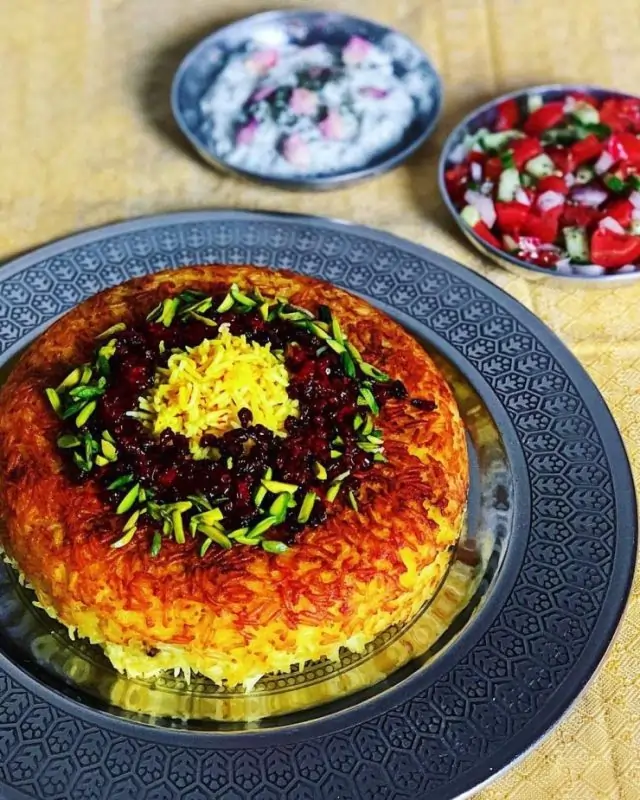
    Tahdig, the coveted crispy, golden-brown rice crust at the bottom of a Persian rice pot, is more than just a delicious side; it’s a culinary tradition, a testament to the artistry of Iranian cooking. This article delves into the history of Tahdig, explores its diverse forms, and provides detailed recipes and tips for each type, ensuring your Tahdig journey is a resounding success.

    A Brief History of Tahdig

    The precise origins of Tahdig are lost to time, woven into the rich tapestry of Persian culinary history. However, its existence is deeply intertwined with the evolution of rice cultivation and cooking techniques in Persia. Centuries ago, before advanced cooking equipment was commonplace, the resourceful Persian cooks discovered that a delicious, crunchy layer formed at the bottom of the pot when rice was cooked slowly over low heat.

    This accidental discovery, born from necessity and resourcefulness, transformed into a culinary treasure cherished across generations. Tahdig became a symbol of hospitality, a delightful ending to a meal, and a testament to the enduring creativity of Persian cuisine. Its simplicity belies its significance, representing a deep connection to the past and the enduring spirit of Iranian cooking.

    Types of Tahdig: Recipes and Tips

    While the fundamental concept remains the same—a crispy rice layer—Tahdig boasts remarkable versatility. Let’s explore some popular varieties:

    Basic Ingredients (for most Tahdig types):

    • Basmati rice: 2 cups
    • Water: 4 cups (for soaking and parboiling)
    • Salt: 1 teaspoon
    • Vegetable oil: ¼ cup (for frying and layering)
    • Butter or ghee (optional): 2 tablespoons
    • Saffron threads (optional, for Saffron Tahdig): a pinch, soaked in 2 tablespoons hot water
    • Plain yogurt (optional, for Yogurt Tahdig): 2 cups

    Specific Ingredients for Different Types of Tahdig:

    1. Plain Tahdig
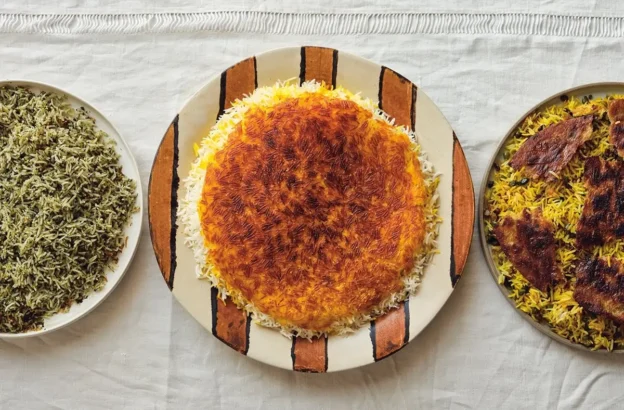
    Plain Tahdig

    • Rice, water, salt, oil, butter (optional)

    Recipe:

    • 2 cups basmati rice, rinsed thoroughly
    • 4 cups water
    • 1 tsp salt
    • ¼ cup vegetable oil
    • 2 tbsp butter or ghee (optional)
    1. Soak rice in cold salted water for at least 30 minutes.
    2. Parboil rice until slightly softened but still firm (about 5-8 minutes). Drain and rinse.
    3. Heat oil and butter in a heavy-bottomed pot.
    4. Spread a thin layer of parboiled rice evenly across the bottom.
    5. Add remaining rice, creating a slightly domed shape. Poke several holes with a wooden spoon.
    6. Cover tightly with a lid wrapped in a kitchen towel. Cook on low heat for 45-60 minutes, or until crispy and golden.
    7. Invert onto a serving platter.

    Tip: For extra crispiness, add a thin layer of oil directly onto the bottom of the pot before adding the rice.

    2. Potato Tahdig (Tahdig Sibzamini)
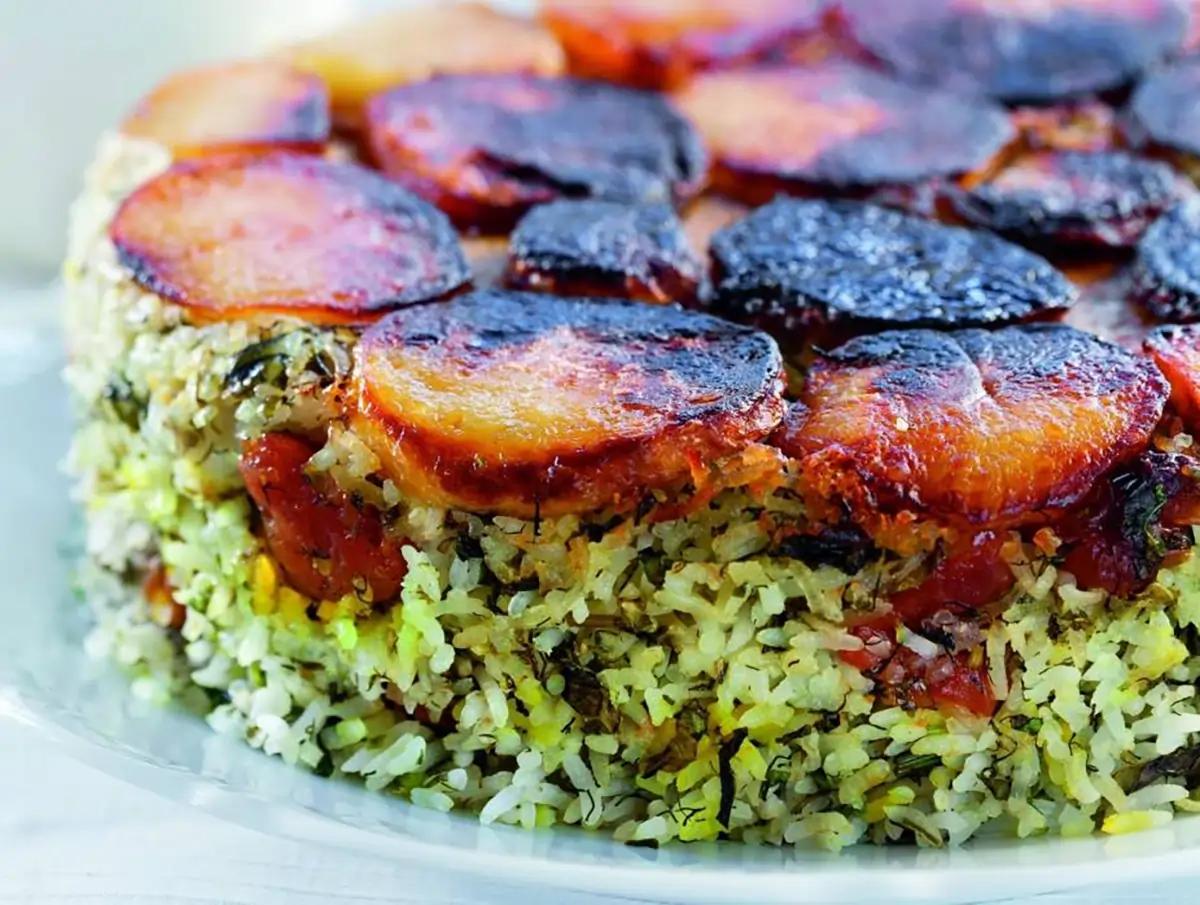
    potato Tahdig close up

    • All ingredients for Basic Tahdig +
    • 2 medium potatoes, thinly sliced

    Recipe:

    • Same as Plain Tahdig, plus:
    • 2 medium potatoes, thinly sliced
    1. Follow steps 1-3 of the Plain Tahdig recipe.
    2. Arrange potato slices in a single layer at the bottom of the pot before adding the rice.
    3. Proceed with steps 4-7 of the Plain Tahdig recipe.

    Tip: Use starchy potatoes for best results. Soaking the potato slices briefly can help prevent them from sticking.

    3. Lavash Bread Tahdig (Tahdig Nan Lavash)
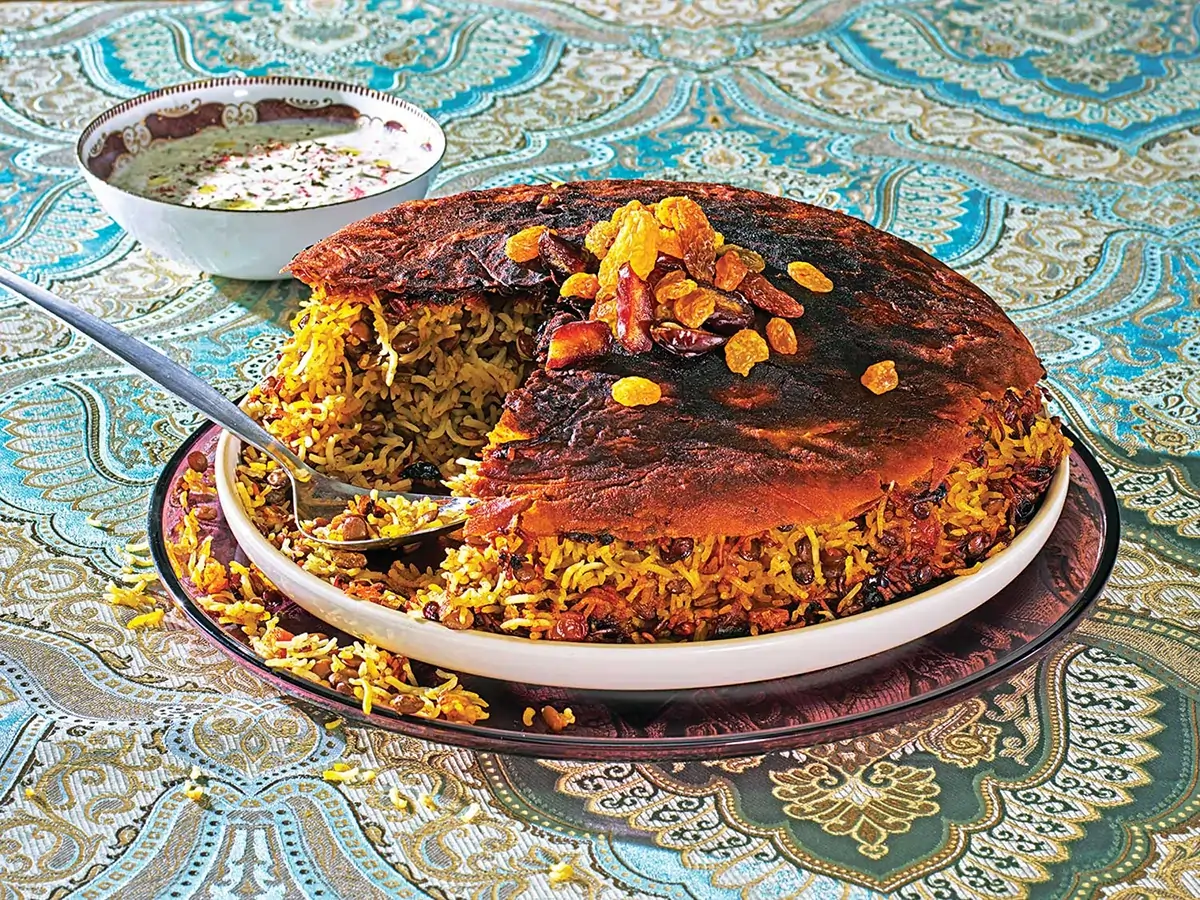
    Lavash Tahdig

    • All ingredients for Basic Tahdig +
    • 1 lavash bread (Torn into pieces)

    Recipe:

    • Same as Plain Tahdig, plus:
    • 1 lavash bread, torn into pieces
    1. Follow steps 1-3 of the Plain Tahdig recipe.
    2. Arrange lavash pieces at the bottom of the pot before adding the rice.
    3. Proceed with steps 4-7 of the Plain Tahdig recipe. Reduce cooking time slightly to prevent burning.

    Tip: Lightly brush the lavash pieces with oil to ensure even crispiness.

    4. Saffron Tahdig (Tahdig Zaferani)
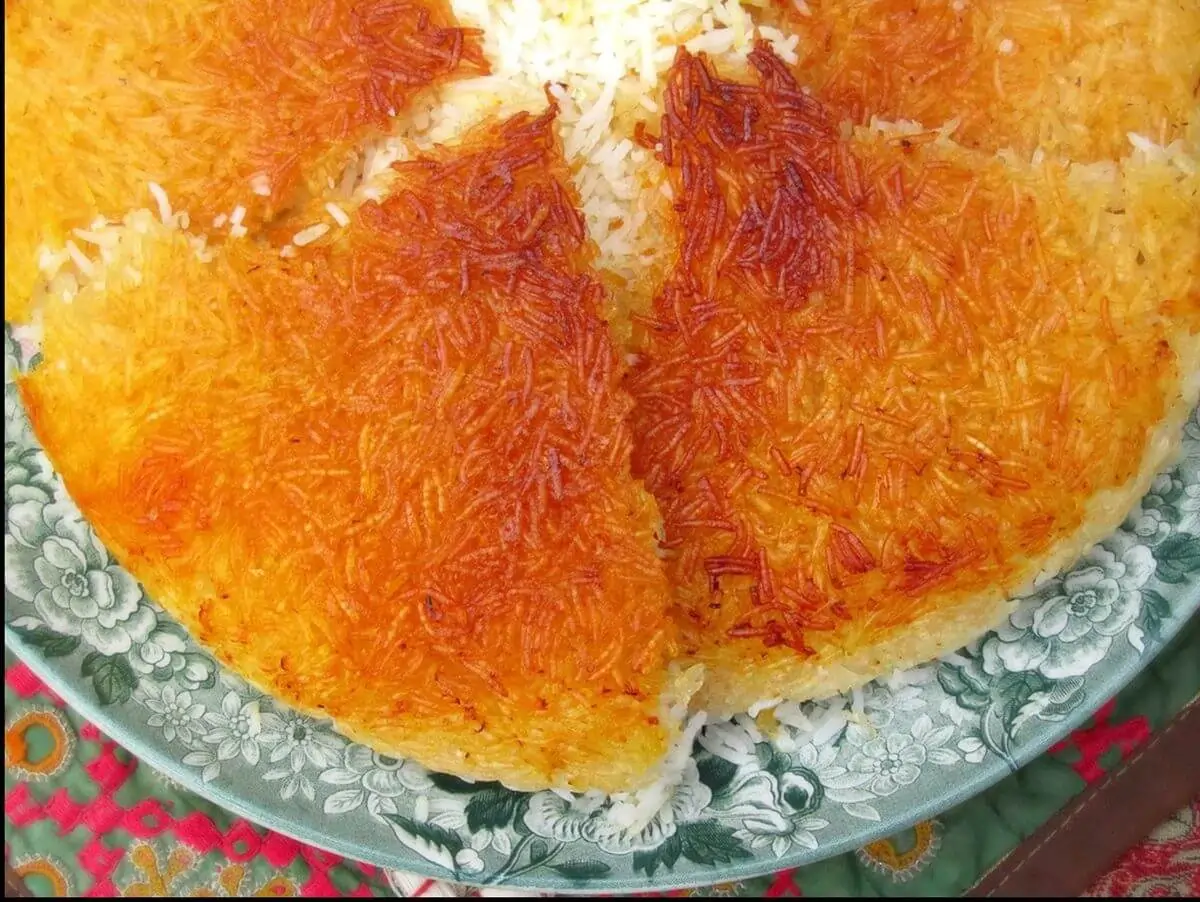
    Saffaron Tahdig

    • All ingredients for Basic Tahdig +
    • Pinch of saffron threads (soaked in hot water)

    Recipe:

    • Same as Plain Tahdig, plus:
    • Pinch of saffron threads, soaked in 2 tbsp hot water
    1. Follow steps 1-3 of the Plain Tahdig recipe.
    2. Mix saffron water with the bottom layer of rice before spreading it in the pot.
    3. Proceed with steps 4-7 of the Plain Tahdig recipe.

    Tip: Use high-quality saffron for the best flavor and color.

    5. Yogurt Tahdig (Tahdig Mast)
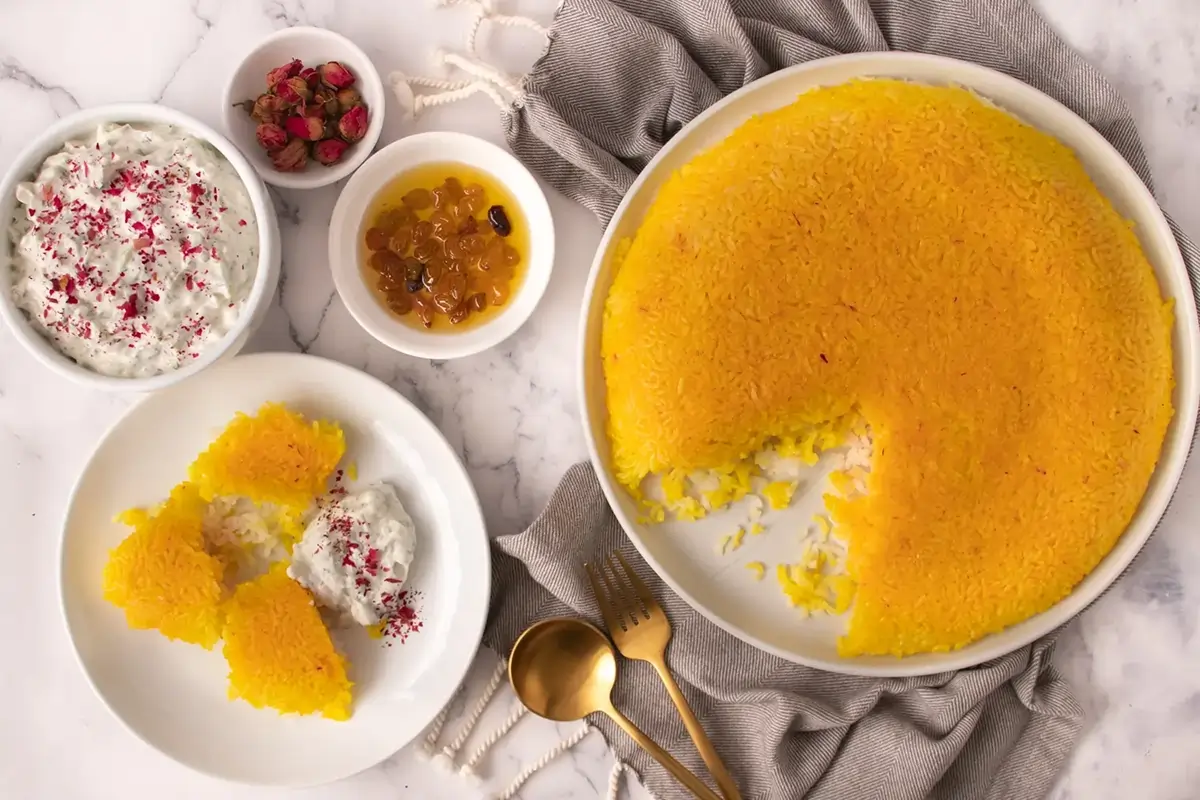
    Yogourt Tahdig

    • All ingredients for Basic Tahdig +
    • 2 cups plain yogurt

    Recipe:

    • 2 cups basmati rice, rinsed thoroughly
    • 4 cups water
    • 1 tsp salt
    • ¼ cup plain yogurt
    • 2 tbsp butter or ghee (optional)
    1. Mix the rinsed rice with the yogurt. Let it sit for 30 minutes.
    2. Parboil rice until slightly softened. Drain and rinse.
    3. Heat butter or ghee in a heavy-bottomed pot.
    4. Spread the yogurt-mixed rice evenly across the bottom.
    5. Add remaining rice, creating a slightly domed shape. Poke several holes with a wooden spoon.
    6. Cover tightly with a lid wrapped in a kitchen towel. Cook on low heat for 45-60 minutes, or until crispy and golden.
    7. Invert onto a serving platter.

    Tip: Use a thick, full-fat yogurt for the best results. Don’t overcrowd the pot.

    What to Serve with Tahdig

    Tahdig complements a variety of dishes, enhancing the overall dining experience. Popular pairings include:

    • Khoresh (Stews): Ghormeh Sabzi, Fesenjan, Gheimeh
    • Kebabs: Koobideh, Joojeh, Barg
    • Salads: Shirazi salad
    • Yogurt: Plain yogurt, especially Greek yogurt
    • Pickled Vegetables (Torshi): Adds a tangy counterpoint.

    No matter which variation you choose, remember that patience and low heat are key to achieving that perfect, crispy Tahdig. Enjoy the process and the delightful results! Nooshe Jaan! (Enjoy your meal!)

    Tahdig, the golden, crispy rice layer at the heart of Persian cooking, is a symbol of tradition, creativity, and hospitality. This beloved dish, with its diverse variations—Plain, Potato, Lavash Bread, Saffron, and Yogurt Tahdig—celebrates the ingenuity of Iranian cuisine and its rich cultural heritage. To explore more about Persian culture, cuisine, and artistry, visit abhavij.com and let us guide you through the fascinating world of Persia. Nooshe Jaan!

    FAQs about cooking Persian Tahdig

    1. What type of rice is best for Tahdig?
    • Basmati rice is the most traditional and highly recommended choice for making Tahdig. Its long grains and starch content create the perfect texture for a crispy crust.
    1. Why is it important to soak the rice before cooking Tahdig?
    • Soaking the rice helps to remove excess starch, which results in a fluffier texture and prevents the rice from becoming sticky. It also allows the rice to cook more evenly.
    1. What kind of pot is best for making Tahdig?
    • A non-stick pot or a heavy-bottomed pot is ideal for making Tahdig. These types of pots help to prevent the Tahdig from sticking and burning.
    1. How do I know when the Tahdig is ready?
    • The Tahdig is ready when it is golden brown and crispy. You should also hear a slight crackling sound from the bottom of the pot. You can carefully lift the lid (avoiding the steam) to check the color.
    1. How can I prevent my Tahdig from sticking to the bottom of the pot?
    • Using a non-stick pot, adding enough oil to the bottom of the pot, and cooking the Tahdig over low heat are all important factors in preventing sticking.
    1. What if my Tahdig burns?
    • If your Tahdig burns, immediately remove the pot from the heat. Let it cool slightly, and then carefully remove the top layers of rice. The burned Tahdig can be discarded, or you can try to salvage the less-burned parts.
    1. How can I make my Tahdig extra crispy?
    • Ensure the lid is wrapped in a clean kitchen towel to absorb moisture, and use a generous amount of oil or butter in the bottom of the pot. Cooking it over low heat for a longer period also contributes to extra crispiness.
    1. Can I make Tahdig ahead of time?
    • While Tahdig is best served immediately, you can prepare it ahead of time. Let it cool completely, then store it in an airtight container in the refrigerator. Reheat it in a low oven or skillet before serving. Note that it might lose some of its crispness.
    1. What are some variations I can try with Tahdig?
    • You can experiment with different types of Tahdig by adding thinly sliced potatoes, lettuce leaves, lavash bread, or other vegetables to the bottom of the pot before adding the rice. You can also add spices like saffron or herbs for extra flavor.
    1. Why is my Tahdig sometimes hard to remove from the pot in one piece?

    *   Letting the pot sit for 5-10 minutes after cooking helps loosen the Tahdig. Make sure it isn’t stuck around the edges using a spatula. Also, use a large serving platter and invert quickly and confidently
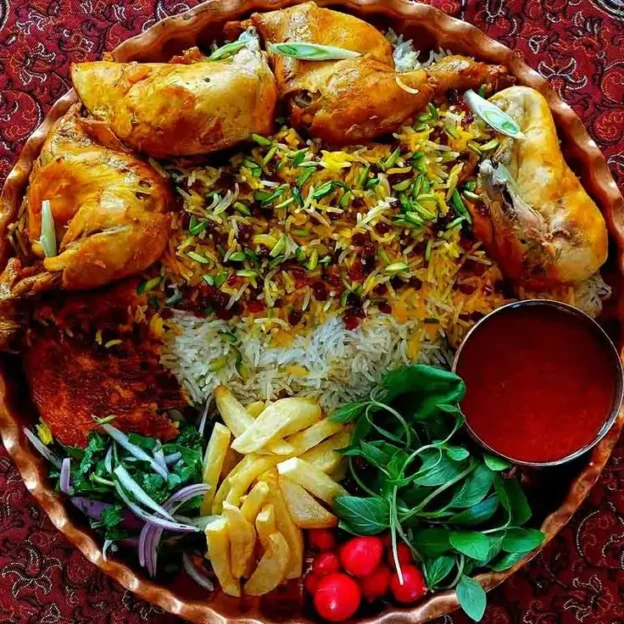
     

  • Delicious Iranian Cuisine: Popular Iranian Dishes

    Iranian cuisine is much more than just food—it’s a window into the nation’s rich culture and centuries-old culinary heritage. With simple ingredients, Persian dishes create unforgettable flavors that showcase the skill and creativity of countless generations of home cooks. Every Iranian family has its own unique “cooking secrets” that make their recipes stand out. In this article, we’re going to introduce you to some famous Iranian dishes which can be found in Persian restaurants and household and share the tricks and tips passed down through generations of Iranian “kitchen masters.”

    Iranian cuisine is a blend of rich flavors, fresh herbs, and aromatic spices like saffron and turmeric. Signature dishes include Chelo Kabab (saffron rice with grilled meat), Ghormeh Sabzi (herb stew), and Fesenjan (walnut-pomegranate stew). Meals are often served with yogurt, fresh herbs, and flatbreads, reflecting a culture where food is a celebration of flavor and hospitality.

    Popular Iranian Dishes

    Iran is truly a land of flavors and colors, with a variety of dishes that have become staples in Iranian homes. The most beloved Iranian dishes are often hearty stews, flavorful kabobs, and savory rice dishes that bring communities together at family gatherings and special occasions.

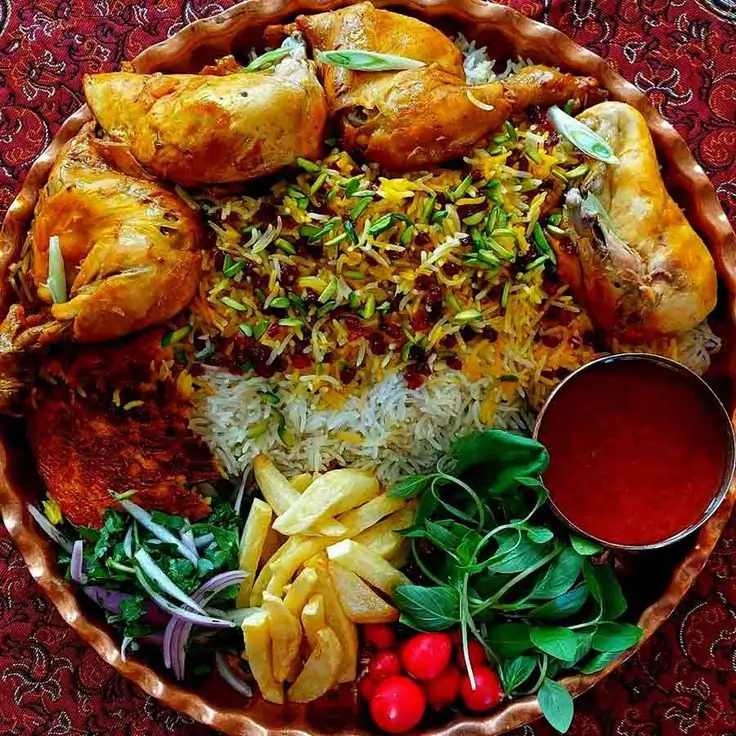
    Dishes like Ghormeh SabziKoobideh KabobZereshk Polo with Chicken, and Fesenjan are among the top favorites. These meals are crafted with fresh and natural ingredients, cooked with care, and bursting with vibrant flavors that leave everyone wanting more. Their popularity lies in the unique balance of aromas, textures, and flavors that have been perfected over generations.

    The Secret Behind Iran’s Culinary Diversity

    The culinary diversity in Iran reflects the country’s four seasons and varied climates. Each region offers its own unique dishes, tailored to the local crops and customs. For example, the southern regions of Iran focus on flavorful seafood like Ghalieh Mahi, while the northern regions offer comforting, veggie-rich dishes like Baghali Ghatogh.

    The thoughtful use of fresh herbs, slow cooking techniques, and signature spices are the secrets that make Iranian cuisine a true masterpiece. Moreover, the culture of family gatherings and hospitality has inspired Iranians to get creative in their cooking, ensuring that every meal feels extra special.

    The Most Delicious Iranian Dish

    Choosing the most delicious Iranian dish is a tough task—it really depends on your taste and preferred flavors. However, if you ask most Iranians, Ghormeh Sabzi easily tops the charts. This hearty herb stew, made with fresh greens, beans, tender meat, and dried limes, creates a magical flavor experience. Paired with Persian-style rice, Ghormeh Sabzi is a meal you’ll never forget. Other contenders for this title include Fesenjan, known for its creamy walnut and pomegranate sauce, and Tahchin, a saffron-rich layered rice dish that’s as stunning as it is delicious.

    The Favorite Iranian Dish Among Foreigners

    For tourists exploring Iranian cuisine, Koobideh Kabob—juicy minced meat kabobs grilled over charcoal—is a clear standout. Its smoky aroma and simple yet flavorful seasoning win the hearts of everyone who tries it. Another favorite among foreigners is Zereshk Polo with Chicken, thanks to the visual beauty and unique flavors of saffron rice mixed with ruby-red barberries. Fesenjoon, with its sweet-and-sour walnut and pomegranate sauce, is another dish that’s loved for its rich texture and surprising flavor. It’s easy to see why these dishes capture the attention of anyone learning about Persian culinary traditions.

    Signature Iranian Dishes & Cooking Tips

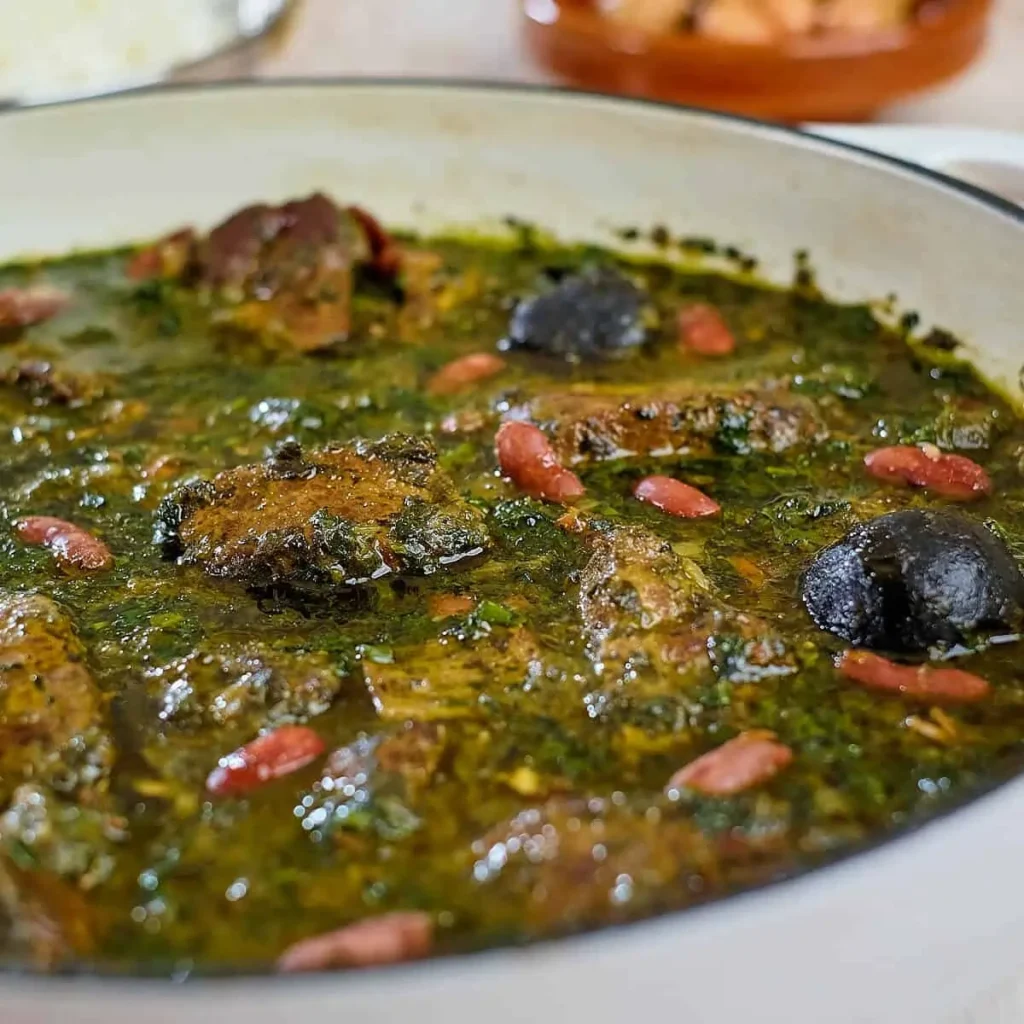
    1. Ghormeh Sabzi: Iconic Persian Herb Stew

    Ghorme sabzi/ Khoresht sabzi

    Ingredients:

    Turmeric, salt, and pepper: To taste

    Fresh herbs for Ghormeh Sabzi (parsley, leek, fenugreek): 500g

    Red kidney beans or pinto beans: 1 cup

    Stew meat (lamb or beef): 300g

    Dried limes: 4

    Onion: 1 large

    Oil: As needed

    Ghormeh Sabzi is considered the king of Persian stews. With its aromatic herbs, dried limes, and tender meat, this dish is a nostalgic masterpiece for all Iranians. If you want a perfectly cooked Ghormeh Sabzi, sauté the herbs gently to release their oil. Make sure to soak the beans overnight, and don’t forget to poke small holes in the dried limes to avoid bitterness!

    Instructions:

    1. Prepare the beans: Soak them overnight and drain.
    2. Sauté the onion: Dice and fry in oil until golden. Add the meat, turmeric, and pepper, and cook until browned.
    3. Cook the herbs: In a separate pan, lightly fry the finely chopped herbs until fragrant.
    4. Assemble the stew: Add the herbs, beans, and limes to the meat along with boiling water. Simmer for several hours.
    5. Serve: Taste for salt towards the end, and serve hot with Persian-style rice.

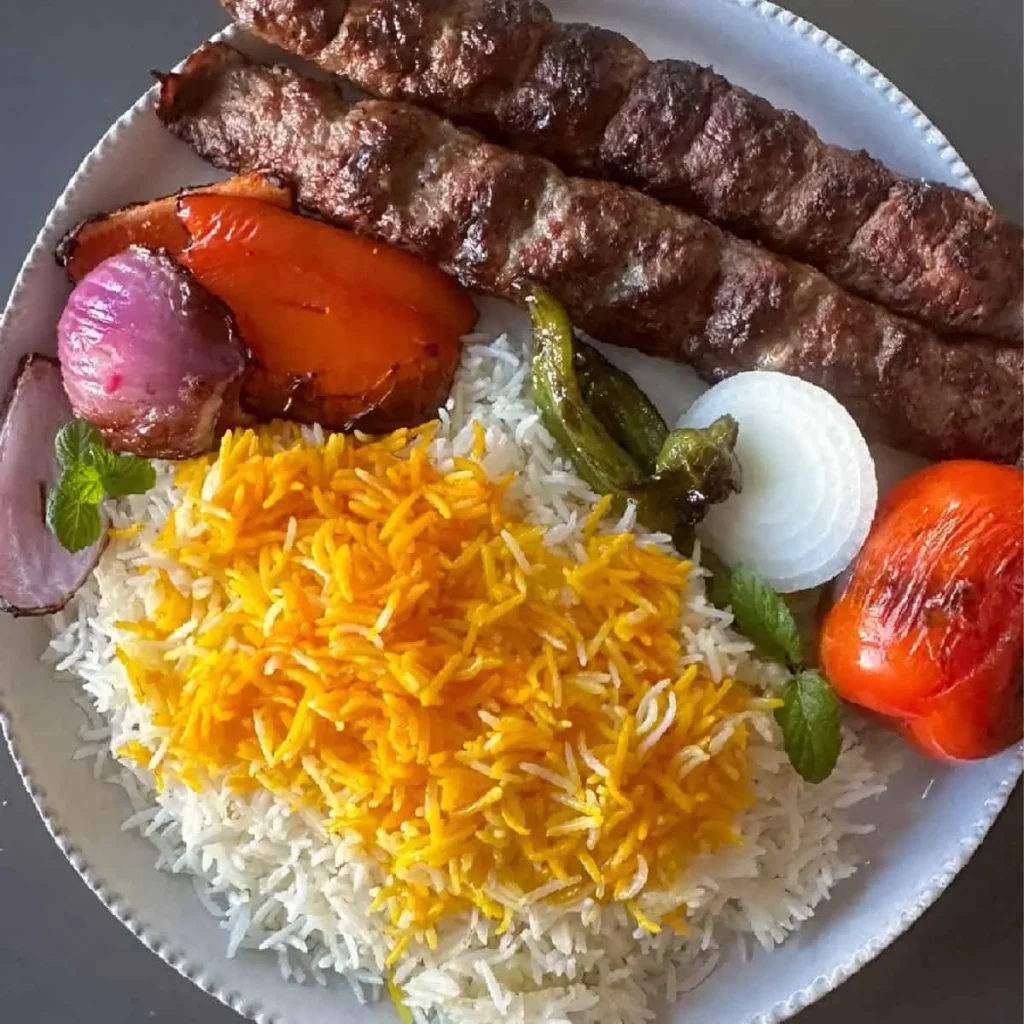
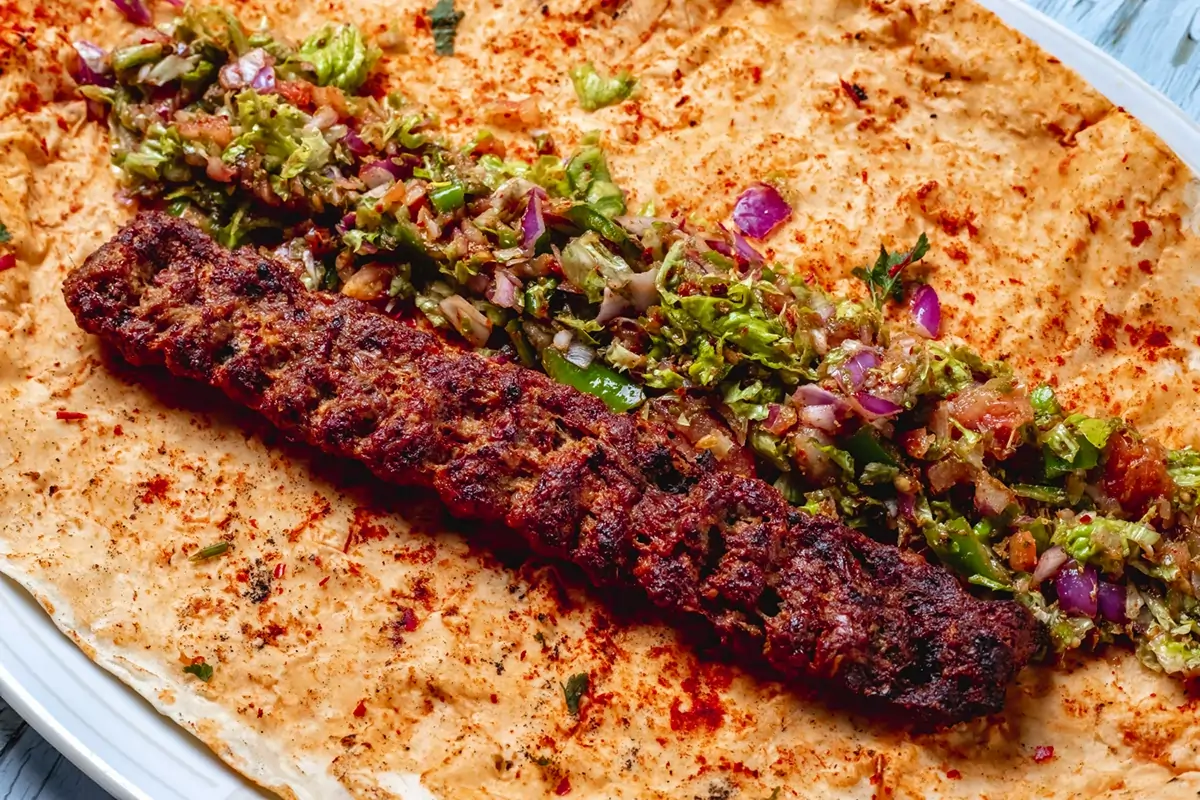
    2. Koobideh Kabob: Grilled Perfection

    Kabab Koobideh

    Ingredients:

    Salt and pepper: To taste

    Ground lamb and beef mix: 500g

    Onion: 2 medium-sized

    Koobideh Kabob is simple yet packed with flavor, making it a favorite at Iranian parties and picnics. The secret lies in using freshly ground meat (ideally lamb and beef mixed) and thoroughly kneading it with grated onion. Chill the mixture before grilling, and always sculpt the kabobs on wet skewers to achieve the perfect shape!

    Instructions:

    1. Grate the onion, squeeze out excess liquid, and mix with the finely ground meat.
    2. Add salt and pepper, then knead extensively until the mixture is firm.
    3. Chill the mixture in the fridge for at least an hour.
    4. Shape the meat onto metal skewers and grill over hot charcoal until golden brown.
    5. Serve with flatbread, grilled tomatoes, and fresh herbs.

    Secret Tip:

    Squeeze the grated onions well—too much liquid will make the kebab mix fall apart on the grill.

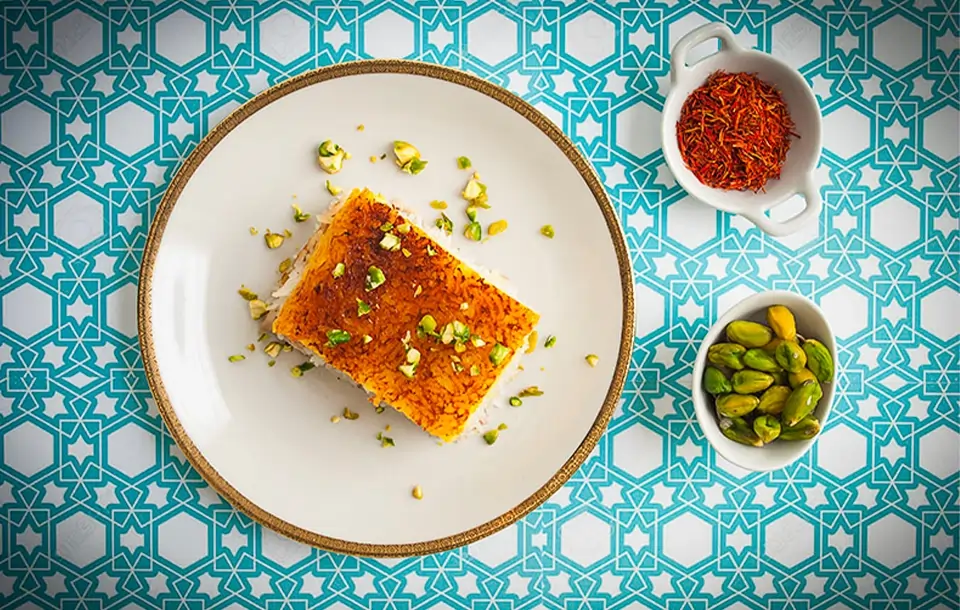
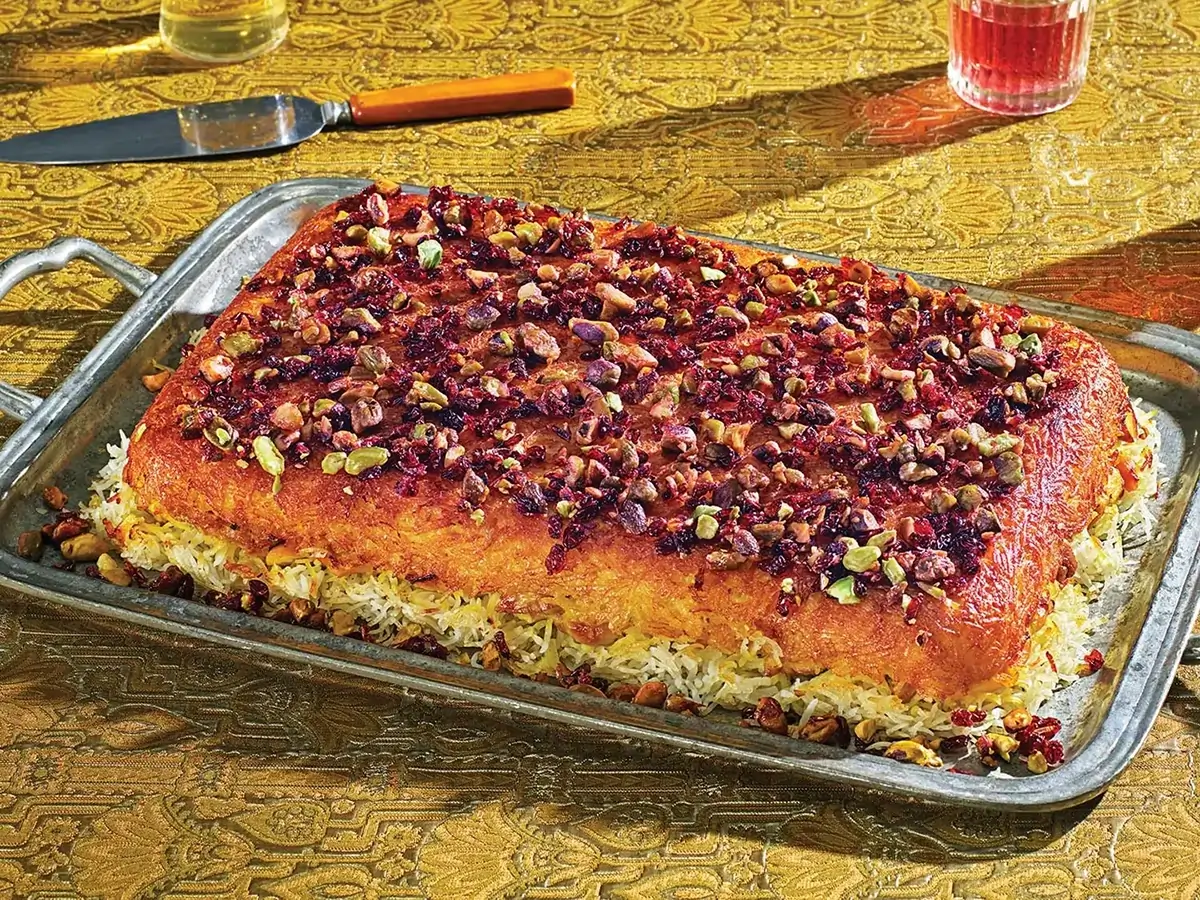
    3. Tahchine Morgh: Layered Saffron Rice Cake

    Tahchine Morgh

    Ingredients:

    Oil/butter: As needed

    Rice: 3 cups

    Chicken (shredded): 300g

    Thick yogurt: 1 cup

    Saffron water: Generous amount

    Egg yolks: 3

    Tahchine Morgh is as much a visual feast as a culinary one. Its golden layers of saffron-infused rice cake called “tahdig” filled with seasoned chicken make it a common choice for celebrations. To achieve perfect layers, ensure the yogurt mixture is deeply incorporated into the rice, and don’t skimp on the saffron.

    How to cook Tahchin:

    1. Mix cooked rice with yogurt, saffron water, and egg yolks.
    2. Grease the base of your pan and pour in half the rice mixture. Add the shredded chicken, and top with the remaining rice.
    3. Cover and cook on low until the rice forms a golden crust.
    4. Flip and serve adorned with fresh herbs or fried barberries.

    Secret Tip:

    Let your Tahchin rest 10 minutes before unmolding—the crust will hold together better and slice beautifully

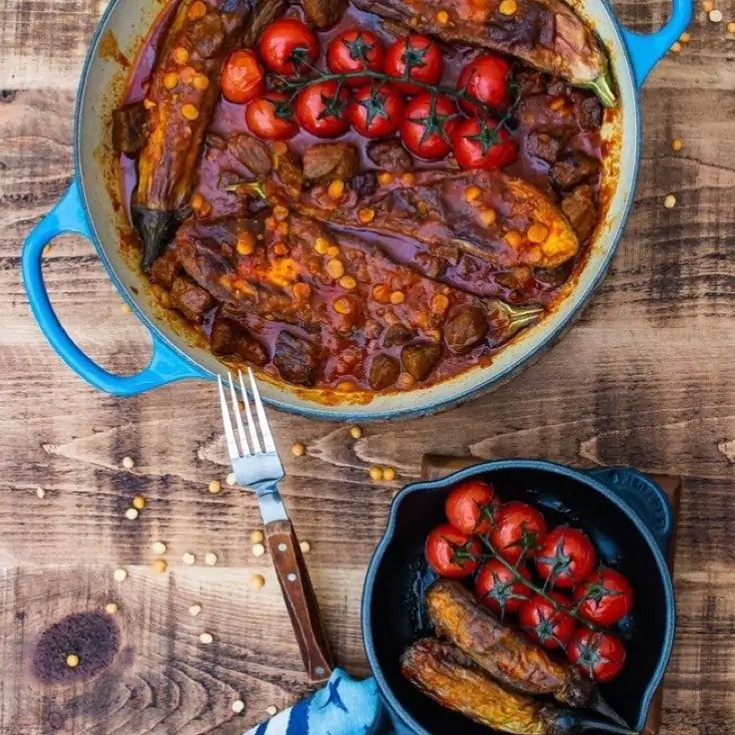
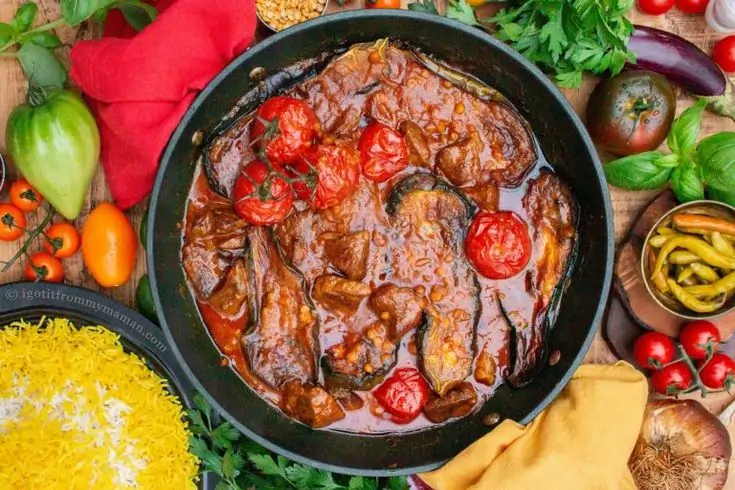
    4. Gheymeh Bademjoon (Eggplant & Split Pea Stew)

    Khoresht Bademjoon

    Ingredients

    Oil

    Eggplant

    Yellow split peas

    Onion

    Garlic

    Mushrooms (for a vegan version)

    Tomato paste

    Turmeric, cumin, coriander, red pepper flakes

    Vegetable broth (or water)

    Gheymeh Bademjoon is a classic Persian stew that pairs velvety eggplant with yellow split peas in a richly seasoned tomato base. Traditionally served with fluffy Persian rice, it’s both hearty and deeply comforting—an icon at family gatherings or special dinners.

    How to Cook:

    1. Peel and salt the eggplant slices, then fry until golden; set aside.
    2. In a large pot, sauté onions and garlic in oil until golden.
    3. Add turmeric, cumin, coriander, and red pepper flakes for 1–2 minutes.
    4. Stir in split peas; toss for a minute.
    5. Add tomato paste and sauté until oil changes color.
    6. Pour in broth and simmer peas for 25-30 minutes.
    7. Gently add fried eggplant and mushrooms, then simmer until the split peas and eggplant are meltingly tender (30 more minutes). Adjust salt and pepper.

    Secret Tip:

    Salt the eggplant and let it sit before frying—this draws out bitterness for a sweeter, silkier result.

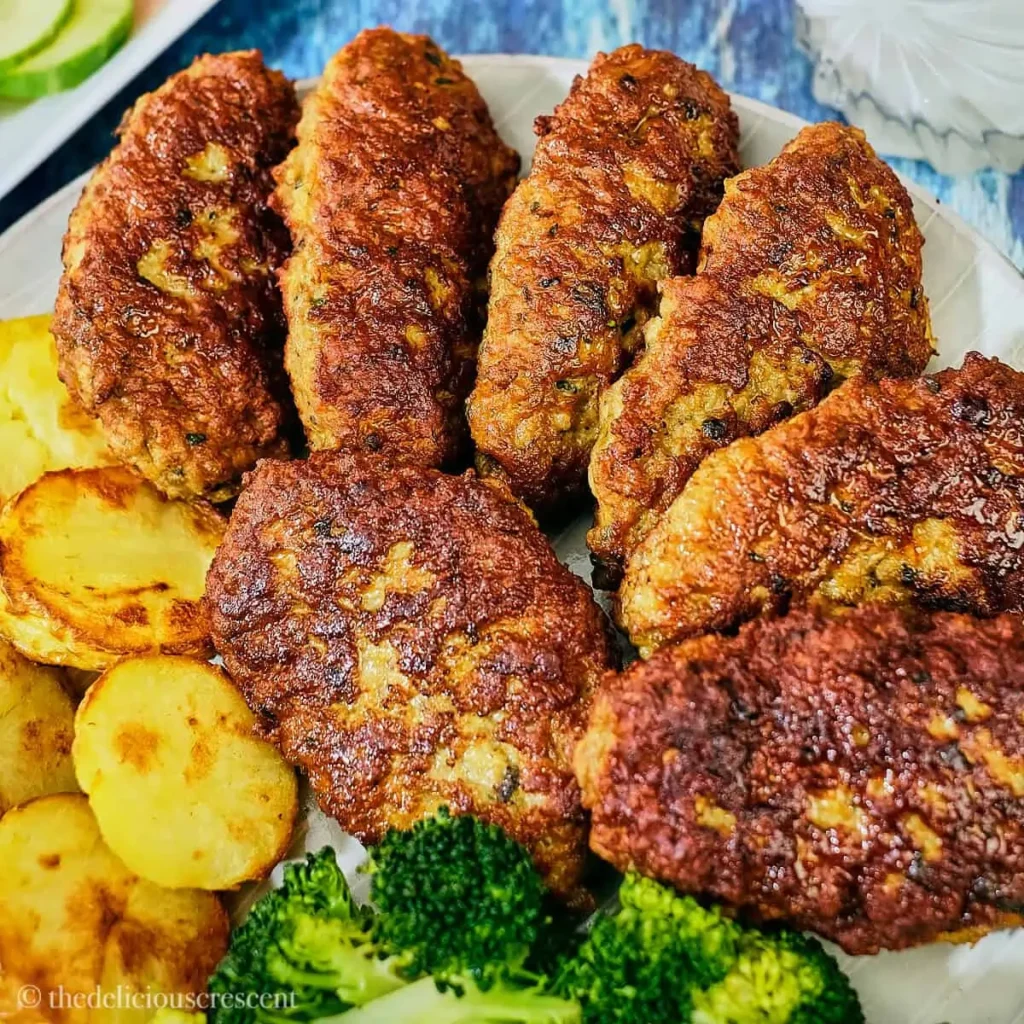
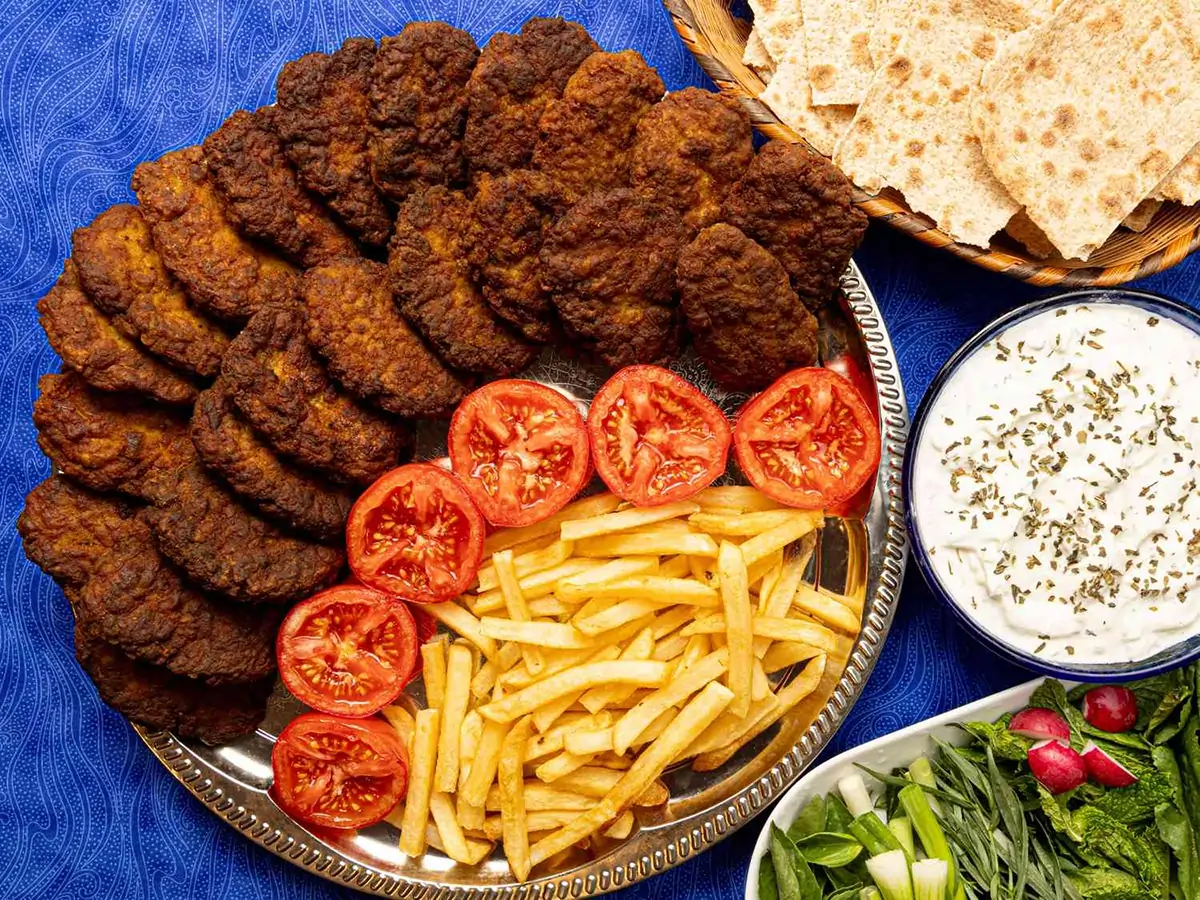
    5. Kotlet (Persian Meat & Potato Patties)

    Persian Kotlet

    Ingredients:

    Oil for frying

    Lean ground beef or lamb

    Russet potatoes (boiled and mashed)

    Onion (grated)

    Eggs

    Salt, pepper, turmeric

    Flour (optional, for dusting)

    Kotlet is Iran’s answer to the croquette—a crispy, golden fritter of ground meat and creamy potatoes, scented with onion and mild spices. It’s perfect hot or cold, whether served with bread or as a snack on trips and picnics.

    How to Cook:

    1. Boil and mash potatoes. Let cool slightly.
    2. Mix ground meat, mashed potatoes, grated onion, eggs, salt, pepper, and turmeric until very smooth.
    3. Shape into small patties; optionally, dust lightly with flour.
    4. Heat oil in a skillet over medium. Fry patties in batches, making a slight dimple on each for even cooking, until deeply browned on both sides (3-4 minutes per side).
    5. Drain on paper towels.

    Secret Tip:

    Chill the mix for 30 minutes before shaping—this helps the kotlets hold their form and makes them extra crisp.

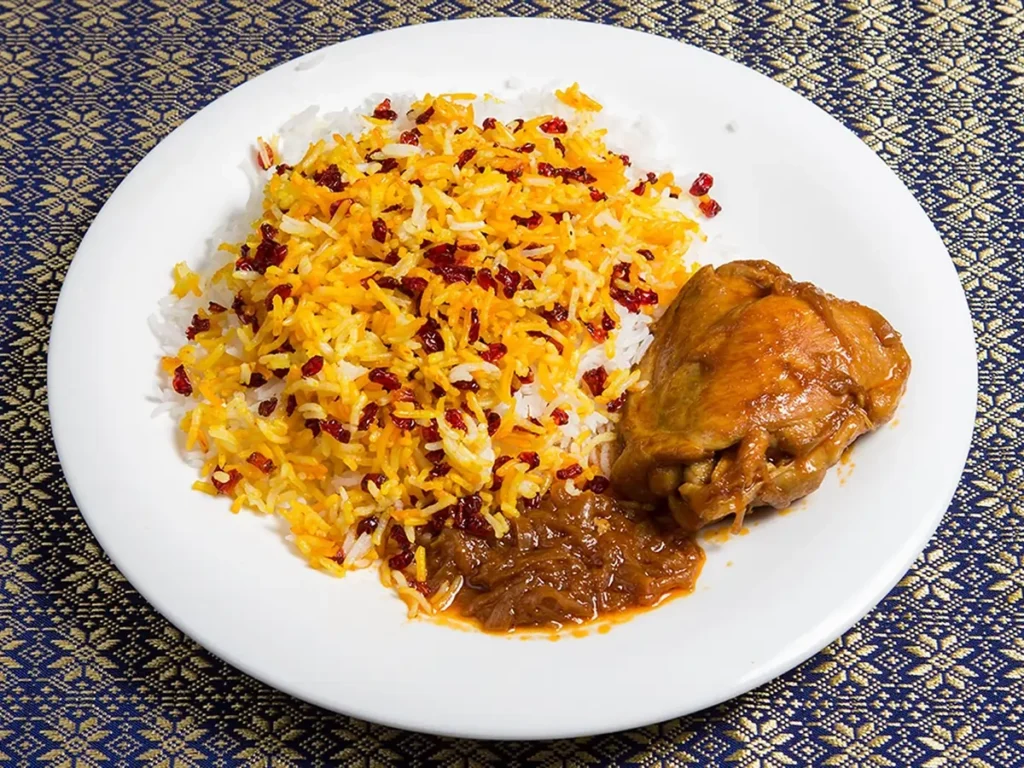
    6. Zereshk Polo ba Morgh (Barberry Rice with Saffron Chicken)

    Zereshk Polo Ba Morgh

    Ingredients:

    Fresh lemon juice

    Long-grain basmati rice

    Chicken breasts or thighs

    Onion, garlic

    Tomato paste

    Turmeric, saffron

    Barberries (zereshk)

    Butter, oil, sugar

    Few dishes are as festive as Zereshk Polo ba Morgh, where tart barberries and luxurious saffron rice meet juicy chicken braised in a tomato and turmeric-infused sauce. It’s a staple at Iranian celebrations and weddings, shining with gem-like colors.

    How to Cook:

    1. Marinate chicken with turmeric, lemon juice, salt, and pepper; sauté onions in oil, then brown chicken on both sides.
    2. Add tomato paste and a splash of water; cover and simmer until tender (30–40 minutes).
    3. For rice: parboil rice, then steam until fluffy.
    4. Soak, rinse, and fry barberries gently in butter with sugar and brewed saffron.
    5. Layer the saffron barberries on top of rice and serve with chicken and its sauce.

    Secret Tip:

    Never overcook barberries—they burn quickly. A quick sauté preserves their tartness and jewel-red color.

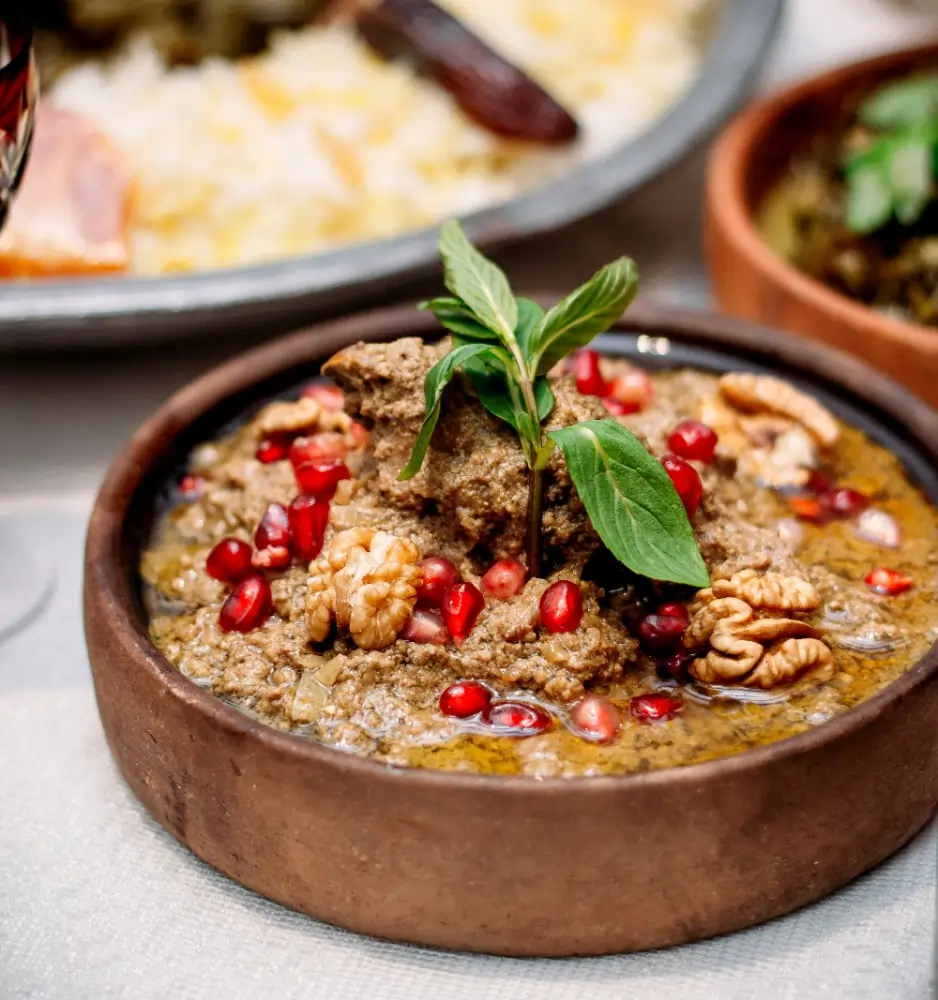
    7. Fesenjoon (Chicken in Walnut & Pomegranate Stew)

    Fesenjoon

    Ingredients:

    Water

    Chicken pieces (legs or breasts)

    Ground walnuts

    Onion

    Pomegranate molasses/concentrate

    Turmeric, salt, pepper

    Oil or butter

    Fesenjoon stew is one of Iran’s most complex and elegant stews, uniting tender chicken with finely ground walnuts and a pomegranate molasses sauce. Sweet, tangy, and rich, it’s a winter favorite, often enjoyed at celebrations.

    How to Cook

    1. Sauté chopped onion in oil. Add chicken pieces, browning on all sides with turmeric, salt, and pepper.
    2. Move chicken to the side, then add ground walnuts. Fry until aromatic.
    3. Pour in water and pomegranate molasses. Return chicken to liquid.
    4. Simmer over low heat for at least 1–2 hours, stirring frequently; sauce should thicken and darken, oils will surface.
    5. Adjust with sugar or extra pomegranate for desired sweet-tart balance.

    Secret Tip

    Use very finely ground walnuts and cook low and slow—the sauce only achieves its lush, thick character after at least an hour of gentle simmering.

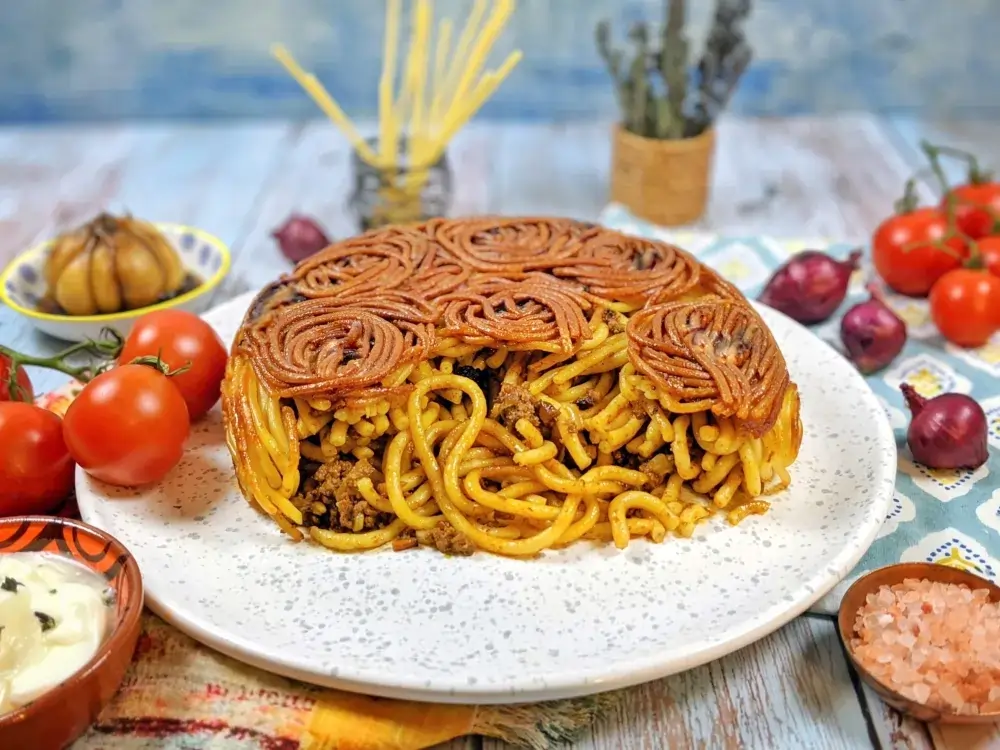
    8. Makarooni (Persian Crispy-Bottom Pasta)

    Persian Makarooni

    Ingredients:

    (Optional: thin potato slices for extra crispy layer)

    Spaghetti or any pasta

    Ground beef or turkey (optional)

    Onion, garlic

    Tomato paste

    Salt, pepper, turmeric

    Oil

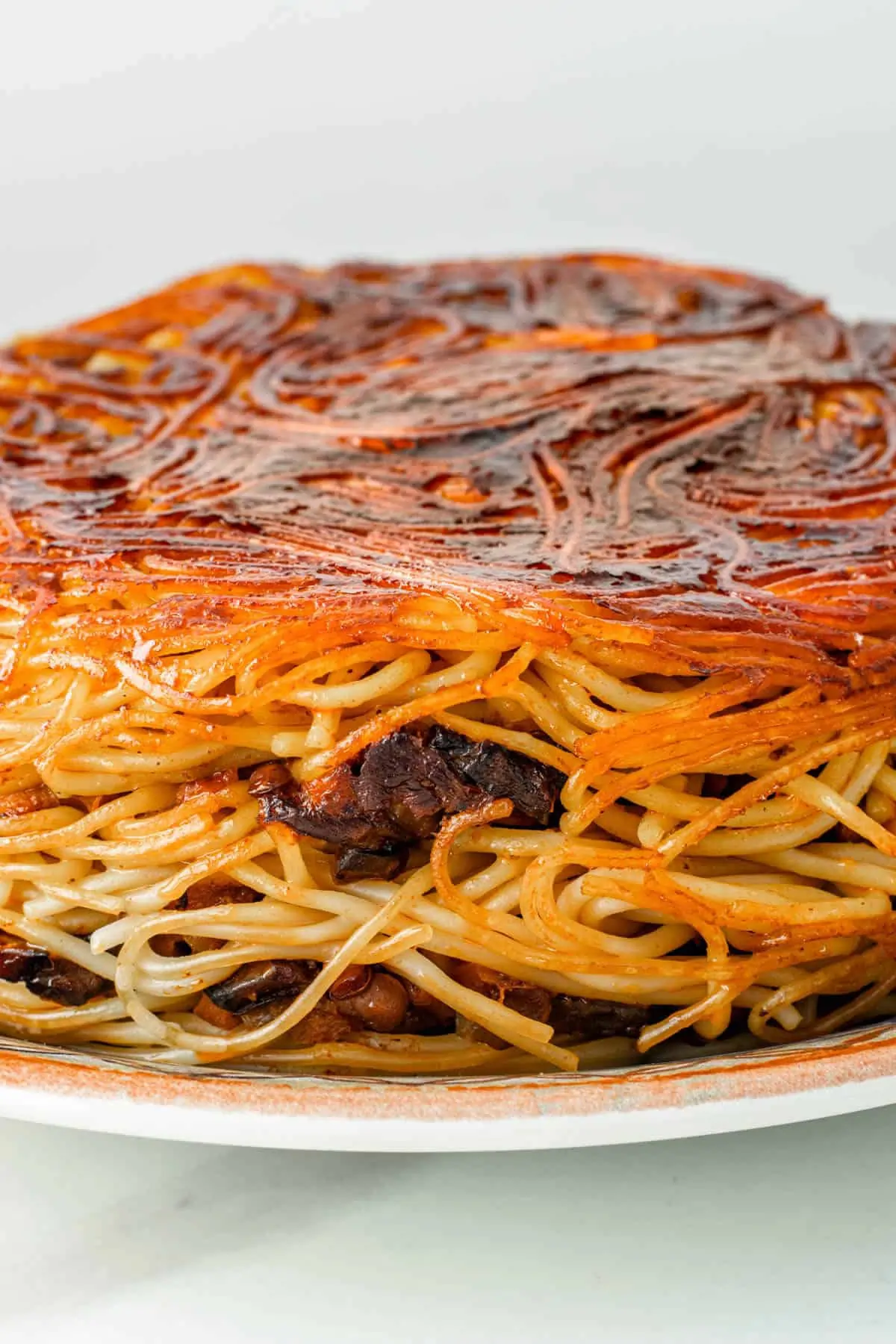
    Makarooni, the Persian version of spaghetti, features a classic tomato-meat sauce paired with pasta, but with one Iranian twist: it’s cooked on the stove until the bottom forms a crispy Tahdig, potato-chip-like crust!

    How to Cook:

    1. Boil pasta until just al dente.
    2. Brown onions and meat in oil; stir in tomato paste and spices, add a splash of water. Simmer into a thick sauce.
    3. Mix pasta and sauce together.
    4. In a nonstick pot, spread oil and/or thin potato slices for extra crunch. Layer the pasta mixture over.
    5. Cover and cook on very low heat for 30–40 minutes, so the bottom crisps up (“macaroni tahdig”).
    6. Invert onto a platter so the crispy base is on top.

    Secret Tip:

    For an extra crispy tahdig, place a layer of sliced potatoes at the bottom of your pot before adding the pasta.

    Conclusion

    From the aromatic stews of Gheymeh Bademjoon and Fesenjoon to the celebratory layers of Tahchin Morgh and the street-food charm of Kotlet and Kabab Koobideh, Iranian cuisine is a masterclass in patience, flavor, and texture. Each dish has its own rhythm, relying on careful layering, slow cooking, and attention to detail. Master the essential secret for each recipe with abhavij, and you’ll bring the true magic of the Persian table into your own kitchen.

    So, roll up your sleeves, and let’s bring a little Persian magic to your kitchen!

  • غذاهای ایرانی محبوب

    غذاهای لذیذ ایرانی و هنر اصیل آشپزی

    غذاهای ایرانی نماد فرهنگ غنی و هنر آشپزی ما هستند که با ترکیب مواد اولیه ساده، طعم‌های بی‌نظیری خلق می‌کنند. هر خانواده ایرانی برای پخت غذاهای سنتی خود تکنیک‌ها و رازهای خاصی دارد که آن‌ها را از دیگران متمایز می‌کند. در این مقاله از آب هویج قصد داریم شما را با چند غذای معروف ایرانی آشنا کرده و فوت‌وفن‌های کدبانوهای ایرانی را برای تهیه این دستپخت‌های بی‌نظیر به شما آموزش دهیم.

    غذاهای ایرانی ترکیبی از طعم‌های غنی، سبزی‌های تازه و ادویه‌های معطر مانند زعفران و زردچوبه هستند. از جمله غذاهای معروف می‌توان به چلوکباب (برنج زعفرانی با گوشت کبابی)، قرمه‌سبزی (خورشت سبزیجات معطر) و فسنجان (خورشت گردو و انار) اشاره کرد. غذاهای ایرانی معمولاً همراه با ماست، سبزی تازه و نان سرو می‌شوند و بازتابی از فرهنگی هستند که غذا را جشن طعم و مهمان‌نوازی می‌داند.

    پرطرفدارترین غذاهای ایرانی

    ایران، سرزمین طعم‌ها و رنگ‌ها، غذاهایی دارد که هر کدام سال‌هاست در سفره‌های خانواده‌های ایرانی جایگاه خاصی پیدا کرده‌اند. پرطرفدارترین غذاهای ایرانی معمولاً شامل خورشت‌ها، کباب‌ها، و انواع پلوهای خاص است که در مناسبت‌های مختلف مانند نوروز تهیه می‌شوند. غذاهایی مثل قرمه‌سبزی، کباب کوبیده، زرشک‌پلو با مرغ، و خورش فسنجان از جمله محبوب‌ترین انتخاب‌ها در بین ایرانیان هستند. این غذاها با فرآیندهای دقیق پخت و استفاده از مواد کاملاً طبیعی و تازه، طعمی دلپذیر و غنی دارند که هر کسی را مجذوب می‌کند. راز محبوبیت این غذاها در ترکیب عطر و طعم بی‌نظیر با فوت‌وفن‌هایی است که نسل به نسل منتقل شده‌اند.

    راز تنوع غذایی در ایران

    ایران به‌عنوان یک کشور با چهار فصل و تنوع اقلیمی بالا، یکی از غنی‌ترین فرهنگ‌های غذایی جهان را دارد. هر منطقه در ایران بسته به آب‌وهوا، محصولات کشاورزی و تاریخ فرهنگ خود، انواع غذایی ویژه‌ای ارائه می‌دهد. از غذاهای دریایی جنوب ایران مثل قلیه‌ماهی گرفته تا غذاهای پرادویه و پرآب شمال کشور مثل باقالی‌قاتوق، همه نشان‌دهنده تنوع غذایی شگفت‌انگیز ایران هستند. ترکیب ادویه‌های خاص، روش‌های پخت آرام و استفاده از سبزیجات تازه راز اصلی این تنوع است. همچنین سنت‌های مهمانی و دورهمی‌های خانوادگی باعث شده مردم ایران در آشپزی به خلاقیت و جذابیت غذاها توجه ویژه‌ای داشته باشند.

    خوشمزه‌ترین غذاهای ایرانی

    انتخاب خوشمزه‌ترین غذای ایرانی بستگی به ذائقه شما و طعم‌هایی دارد که به آن علاقه دارید. اما اگر از اکثر ایرانی‌ها پرسیده شود، خورش قرمه‌سبزی معمولاً تاج‌دار غذاهای خوشمزه محسوب می‌شود. سبزی‌های تازه، لوبیا، گوشت و لیموعمانی وقتی در یک قابلمه با حرارت ملایم ترکیب شوند، معجزه‌ای در آشپزی رخ می‌دهد. ته‌چین مرغ زعفرانی طلایی نیز از گزینه‌های محبوب برای عنوان “خوشمزه‌ترین غذا” هستند.

    در ادامه لیست 8 تایی از بهترین و محبوب ترین غذاهای ایرانی به همراه مواد اولیه و نحوه پخت تهیه کردیم. در پایان هم مهمان آب هویج باشید با یک فوت کوزه گری برای هر غذا:

    قرمه سبزی؛ یک خورش جاافتاده ایرانی

    قرمه سبزی، خاطره‌سازترین غذای سفره‌های ایرانی است که با عطر فوق‌العاده سبزی، لیموعمانی و گوشت دل همه را می‌برد. برای داشتن یک قرمه سبزی جاافتاده و خوش‌رنگ، سبزی‌ها را کمی با حرارت کم تفت بدهید تا روغن سبزی خوب دربیاید. حتماً لوبیاها را از شب قبل خیس کنید تا نفخشان از بین برود. لیموعمانی‌ها را قبل از انداختن در قابلمه سوراخ کنید و اگر سیاه شده‌اند کمی داخل آب گرم قرار دهید تا تلخی‌شان گرفته شود.

    Ghorme sabzi

    مواد اولیه:

    سبزی قرمه (تره، جعفری، شنبلیله): ۵۰۰ گرم

    لوبیا قرمز یا لوبیا چیتی: ۱ پیمانه

    گوشت خورشتی (گوسفندی یا گوساله): ۳۰۰ گرم

    لیموعمانی: ۴ عدد

    پیاز: ۱ عدد بزرگ

    روغن: به مقدار لازم

    زردچوبه، نمک و فلفل: به مقدار لازم

    طرز تهیه:

    ابتدا لوبیا را از شب قبل در آب خیس کرده و چند بار آب آن را عوض کنید، پیاز را نگینی خرد کرده و در قابلمه با کمی روغن تفت دهید تا طلایی شود؛ گوشت را به پیاز اضافه کنید و تفت دهید تا آب آن کشیده شود، سپس زردچوبه و فلفل را اضافه کنید. سبزی خردشده را در تابه‌ای جداگانه با روغن تفت دهید تا رنگ آن تیره تر شود. لوبیا، سبزی و لیموعمانی سوراخ‌شده را به گوشت اضافه کنید. مقداری آب جوش اضافه کرده و خورشت را روی شعله ملایم بگذارید تا جا بیفتد. نمک را در انتهای پخت اضافه کنید و با برنج سرو کنید.

    فوت کوزه‌گری در پخت قورمه سبزی مامان پز:

    خورش را با شعله ملایم و مدت زمان حداقل چهار ساعت بپزید تا جا بیفتد؛ می‌توانید کمی رب گوجه‌فرنگی یا رب انار برای خوشرنگ‌تر شدن خورش اضافه کنید.

    قیمه بادمجون؛ طعمی فراموش‌نشدنی

    این غذا ترکیبی از خورش قیمه و بادمجان‌های سرخ‌شده است که حرف ندارد! برای داشتن یک قیمه خوش‌طعم، لپه را از قبل خیس کنید و به آرامی با گوشت پخته و جا بیندازید. بادمجان‌ها را قبل از سرخ کردن کمی در نمک قرار دهید تا تلخی‌شان گرفته شود. استفاده از رب گوجه‌فرنگی خوش‌رنگ و زعفران دم‌کرده طعم این غذا را حسابی خاص می‌کند.

    Gheyme Bademjoon

    مواد اولیه:

    گوشت خورشتی (گوسفندی یا گوساله): ۳۰۰ گرم

    لپه: ۱ پیمانه

    بادمجان: ۴ عدد متوسط

    سیب‌زمینی (اختیاری): ۱ عدد

    پیاز: ۱ عدد بزرگ

    رب گوجه‌فرنگی: ۲ قاشق غذاخوری

    لیموعمانی: ۳ عدد

    زردچوبه، نمک و فلفل: به مقدار لازم

    روغن: به مقدار لازم

    دستور پخت:

    لپه را از شب قبل در آب بخیسانید تا راحت‌تر پخته شود. پیاز را نگینی خرد و در کمی روغن تفت دهید تا طلایی شود. گوشت را اضافه کنید و با پیاز کمی تفت دهید تا عطرش بلند شود. زردچوبه و رب گوجه را افزوده و کمی دیگر تفت دهید. لپه خیس‌خورده را اضافه کنید. آب جوش را روی مواد بریزید و اجازه دهید خورش با شعله ملایم بپزد. بادمجان‌ها را پوست بگیرید، کمی نمک بزنید تا تلخیش گرفته شود، سپس با روغن سرخشان کنید (برای سبک‌تر شدن، بادمجان‌ها را روی دستمال روغن‌گیر بگذارید).

    در نیمه پخت خورش، لیموعمانی را سوراخ کرده و داخل خورش بیندازید. یک ربع آخر پخت، بادمجان‌های سرخ‌شده را روی خورش بچینید (اگر سیب‌زمینی دوست دارید قطعه‌ای سرخ کنید و نیمه آخر روی خورش بگذارید). خورش را با برنج نوش جان کنید!

    فوت کوزه‌گری در پخت قیمه بادمجان:

    بادمجان‌ها را با قلم‌مو و کمترین میزان روغن سرخ کنید تا سبک‌تر شوند. حتماً رب گوجه‌فرنگی را در روغن تفت دهید تا خامی آن گرفته شود.

    کتلت؛ غذایی ساده و پرخاطره

    کتلت یک غذای سریع و خوشمزه است که می‌تواند انتخابی عالی برای وعده شام یا ناهار باشد. برای داشتن کتلت‌های خوشمزه و سالم، سیب‌زمینی‌ها را رنده کنید و آبشان را بگیرید. گوشت چرخ‌کرده و تخم‌مرغ را با ادویه و پیاز مخلوط کنید و حسابی ورز بدهید. حتماً اندازه کتلت‌ها را یکنواخت کنید تا به‌خوبی در روغن سرخ شوند.

    Kotlet

    مواد اولیه:

    گوشت چرخ‌کرده: ۲۵۰ گرم

    سیب‌زمینی خام: ۲ عدد متوسط

    پیاز: ۱ عدد

    تخم‌مرغ: ۱ – ۲ عدد (بسته به انسجام مواد)

    آرد سوخاری یا آرد نخودچی: ۲ قاشق غذاخوری (اختیاری)

    نمک، فلفل، زردچوبه: به مقدار لازم

    روغن: به مقدار لازم

    دستور پخت:

    سیب‌زمینی و پیاز را رنده ریز کنید و آب اضافی‌شان را بگیرید. گوشت چرخ‌کرده، سیب‌زمینی، پیاز، تخم‌مرغ، ادویه‌ها و اگر مایل بودید کمی آرد سوخاری را داخل یک کاسه بریزید و خوب ورز دهید تا مواد منسجم شود. با دست مواد را به شکل بیضی یا گرد فرم دهید. داخل تابه روغن بریزید و کتلت‌ها را در روغن داغ سرخ کنید تا هر دو طرف طلایی و برشته شود. کتلت‌ها را روی دستمال روغن‌گیر کمی استراحت دهید تا روغن اضافی‌شان گرفته شود. با نان تازه، سبزی خوردن، گوجه و خیارشور سرو کنید.

    فوت کوزه‌گری کتلت:

    اگر کتلت در روغن ترک می‌خورد، مخلوط را بیشتر ورز بدهید یا یک قاشق آرد به مواد اضافه کنید.

    کباب کوبیده؛ شاهکار ایرانی بر روی زغال

    کباب کوبیده یکی از محبوب‌ترین غذاهای ایرانی است که همیشه پای ثابت مهمانی‌هاست؛ ما ایرانی ها حتی اگر موقعیت آماده سازی آن را نداشته باشیم حتما خود را به اولین رستوران می رسانیم. چه در ایران و چه در خارج از ایران رستوران های ایرانی کباب کوبیده را به صورت پای ثابت منوی خود خود دارند. برای داشتن کبابی که کاملاً روی سیخ بماند، حتماً گوشت را چند مرتبه چرخ کنید و خیلی خوب ورز دهید. پیاز را آب بگیرد تا کباب آب نیندازد و حتماً گوشت را قبل از سیخ زدن مدتی در یخچال بگذارید.

    Kabab Koobide

    مواد اولیه:

    گوشت گوسفندی و گوساله (چرخ‌کرده): ۵۰۰ گرم

    پیاز: ۲ عدد متوسط

    نمک و فلفل: به مقدار لازم

    طرز تهیه:

    گوشت چرخ‌کرده را دو بار چرخ کنید تا یکدست شود. پیاز را رنده کنید و آب آن را کاملاً بگیرید. پیاز را به گوشت اضافه کرده و همراه با نمک و فلفل خوب ورز دهید تا مواد منسجم شوند. مخلوط گوشت را حداقل یک ساعت در یخچال قرار دهید. گوشت را به سیخ گرفته و روی زغال یا گریل با حرارت متوسط کباب کنید. کباب‌ها را با نان، سبزی و گوجه‌فرنگی کبابی سرو کنید.

    فوت کوزه‌گری کباب کوبیده:

    هنگام سیخ زدن دست‌هایتان را مرتب با آب سرد خیس کنید تا گوشت راحت روی سیخ قالب بخورد.

    زرشک پلو با مرغ؛ غذای محبوب مهمانی‌ها

    زرشک پلو یکی از مجلل‌ترین وعده‌های ایرانی است. این غذا در عین سادگی بسیار خوشمزه و پرطرفدار است؛ زرشک پلو با مرغ، درست مانند کباب کوبیده، در بسیاری از رستوران های ایرانی پای ثابت منو است؛ مرغ را با پیاز و ادویه‌جات به آرامی بپزید تا کاملاً مزه‌دار شود. زرشک را در روغن و کمی شکر تفت دهید؛ شکر باعث می‌شود زرشک طعم ترش مطبوعی پیدا کند. از زعفران دم‌کرده برای رنگ و طعم بی‌نظیر برنج استفاده کنید.

    Zereshk polo ba Morgh

    مواد اولیه:

    برنج: ۳ پیمانه

    مرغ (ران یا سینه): ۴ تکه

    پیاز: ۲ عدد

    زرشک: ۱ پیمانه

    شکر: ۲ قاشق غذاخوری

    زعفران دم‌کرده: به مقدار لازم

    نمک، فلفل، زردچوبه: به مقدار لازم

    طرز تهیه:

    مرغ‌ها را با پیاز درشت خردشده، زردچوبه، نمک و فلفل تفت دهید. سپس مقداری آب اضافه کنید و اجازه دهید بپزد. برنج را آبکش کنید و دم بگذارید. زرشک را به همراه شکر و کمی روغن و زعفران دم‌کرده تفت دهید. مرغ پخته‌شده را با کمی رب گوجه تفت دهید تا رنگ بگیرد. برنج را با زرشک، زعفران و مرغ سرو کنید.

    فوت کوزه‌گری رنگ زرشک پلو:

    برای بهتر شدن رنگ زرشک، هنگام تفت دادن کمی آب زعفران اضافه کنید و حتماً زرشک را روی حرارت کم تفت دهید.

    فسنجون؛ مزه‌ای از گردو و انار

    خورش فسنجان، لطیف‌ترین خورش ایرانی است که با گردو آسیاب‌شده و رب انار تهیه می‌شود. گردو را روی حرارت ملایم تفت دهید تا روغن بیندازد و مرغ یا گوشت قلقلی را جداگانه سرخ کنید. رب انار را به آرامی اضافه کنید و مقداری شکر به خورش اضافه کنید تا طعم شیرین‌تر یا ملس‌تر داشته باشد.

    Fesenjoon

    مواد اولیه:

    گردو آسیاب‌شده: ۲ پیمانه

    رب انار: ۳ تا ۴ قاشق غذاخوری

    گوشت قلقلی یا مرغ (ران یا سینه): ۳۰۰ گرم

    شکر: به مقدار دلخواه (اختیاری)

    نمک: به مقدار لازم

    طرز تهیه:

    گردو را در یک قابلمه با حرارت بسیار ملایم تفت دهید تا رنگ آن کمی تیره شود. سپس آب سرد اضافه کنید. گردو باید حدود ۲ ساعت با شعله ملایم بجوشد تا روغن بیاندازد. رب انار را به گردو اضافه کنید. گوشت قلقلی یا مرغ را جداگانه تفت داده و به خورش اضافه کنید.سی دقیقه دیگر بگذارید خورش جا بیفتد. طعم غذا باید ملس باشد، بنابراین می‌توانید شکر اضافه کنید. فسنجان را با برنج سرو کنید.

    فوت کوزه‌گری یک فسنجان خوش زنگ و لعاب:

    برای داشتن فسنجان روغنی و خوش‌رنگ، آب سرد به گردو تفت‌داده اضافه کنید؛ این کار باعث می‌شود گردو خوب روغن بیاندازد.

    ته‌چین مرغ؛ یک دیس طلایی و خوش‌مزه

    ته‌چین مرغ، شروع یک مهمانی باشکوه است! برای تهیه یک ته‌چین عالی، ماست، زعفران و تخم‌مرغ را با برنج مخلوط کنید و مرغ ریش‌شده را بین لایه‌های برنج قرار دهید. حتماً ته قابلمه را با روغن و کمی کنجد یا زرشک تزئین کنید تا ته‌چین به‌خوبی طلایی شود.

    Tahchin-e Morgh

    مواد اولیه:

    برنج: ۳ پیمانه

    ماست چکیده: ۱ پیمانه

    زعفران دم‌کرده: به مقدار لازم

    زرده تخم‌مرغ: ۳ عدد

    مرغ ریش‌شده: ۳۰۰ گرم

    نمک و فلفل: به مقدار لازم

    طرز تهیه:

    برنج را آبکش کرده و کنار بگذارید. ماست، زعفران و زرده تخم‌مرغ را مخلوط کنید. نیمی از برنج را به مخلوط ماست اضافه کنید. قابلمه را چرب کرده و مقداری روغن یا کره بریزید. اگر دوست دارید، ته قابلمه را با کنجد یا زرشک تزئین کنید. لایه اول برنج زعفرانی، لایه دوم مرغ و لایه سوم برنج سفید را در قابلمه بریزید. ته‌چین را با حرارت ملایم دم کنید و سپس با ماست و سبزیجات سرو کنید.

    فوت کوزه‌گری ته چین مرغ:

    برنج ته‌چین را قبل از مخلوط کردن با مواد کاملاً آبکش کنید تا لایه‌ها خوب از هم جدا شوند.

    ماکارونی؛ غذای محبوب کودکان و بزرگ‌ترها

    ماکارونی یکی از غذاهای محبوب و ساده ایرانی است. برای داشتن ماکارونی خوشمزه و خوش‌رنگ، گوشت را همراه با رب گوجه‌فرنگی تفت دهید و قارچ یا هر نوع سبزیجات دلخواه خود را اضافه کنید. ماکارونی را کمی آبکش کنید و لایه‌لایه با مواد گوشتی مخلوط کنید. دم گذاشتن با شعله کم، راز خوش‌طعمی ماکارونی است.

    Makaroni

    مواد اولیه:

    ماکارونی: ۴۰۰ گرم

    گوشت چرخ‌کرده: ۳۰۰ گرم

    پیاز: ۱ عدد

    رب گوجه‌فرنگی: ۳ قاشق غذاخوری

    فلفل دلمه‌ای: ۱ عدد

    قارچ: ۲۰۰ گرم

    نمک، فلفل، زردچوبه: به مقدار لازم

    طرز تهیه:

    پیاز را خرد کرده و با کمی روغن تفت دهید. گوشت را اضافه کرده و خوب تفت دهید. سپس فلفل دلمه‌ای خردشده و قارچ را اضافه کنید. رب گوجه‌فرنگی را اضافه کرده و اجازه دهید مواد به خوبی پخته شوند. ماکارونی را در آب جوش همراه با نمک بپزید و سپس آبکش کنید. ته قابلمه نان یا سیب‌زمینی قرار دهید. لایه‌ای ماکارونی و لایه‌ای از مواد گوشتی بریزید. قابلمه را دم کرده و سپس با سالاد شیرازی سرو کنید.

    فوت کوزه‌گری ته دیگ ماکارونی:

    برای داشتن ماکارونی با ته‌دیگ خوشمزه، نان لواش یا سیب‌زمینی حلقه‌ای را ته قابلمه قرار دهید.

    محبوب‌ترین غذای ایرانی در بین خارجی‌ها

    یکی از محبوب‌ترین غذاهای ایرانی در بین گردشگران خارجی، کباب کوبیده است. این غذای ساده اما خوش‌طعم به‌واسطه عطر دودی زغال و تازگی گوشت چرخ‌کرده تحسین بسیاری را جلب می‌کند. گردشگران خارجی معمولاً عاشق طعم خاص استفاده از زعفران و ادویه در غذاهای ایرانی می‌شوند. زرشک‌پلو با مرغ نیز یکی دیگر از غذاهای محبوب در بین خارجی‌هاست؛ چراکه ترکیب زرشک، زعفران، و مرغ خوش‌طعم، زیبایی بصری و طعمی خاص دارد. خورش فسنجان هم به دلیل استفاده از گردو و رب انار، بافت کرمی و ملس آن همیشه نظر خارجی‌ها را جلب کرده است.

    کلام آخر

    غذاهای ایرانی، نه‌تنها یک وعده غذایی، بلکه نماد فرهنگ و هنر آشپزی این سرزمین هستند. قرمه سبزی، قیمه بادمجون، کتلت، کباب کوبیده، زرشک پلو با مرغ، فسنجون، ته‌چین مرغ، و حتی ماکارونی هر کدام نمایانگر سلیقه ایرانی در طبخ غذا هستند که با صبر و دقت خاصی تهیه می‌شوند. پخت این غذاها نیاز به زمان، عشق و توجه به جزئیات دارد و نشان می‌دهد که آشپزی ایرانی فراتر از یک مهارت ساده است. هر غذایی داستانی دارد و طعمی به یادماندنی که نسل به نسل منتقل شده است. پس در کنار احترام به سنت‌های آشپزی، فوت‌وفن‌ها و قلق‌های خاص آشپزی ایرانی را باید حفظ کنیم تا طعم و رنگ خوراکی‌های اصیل ایرانی همیشه ماندگار بماند.

  • Persian Online Supermarkets

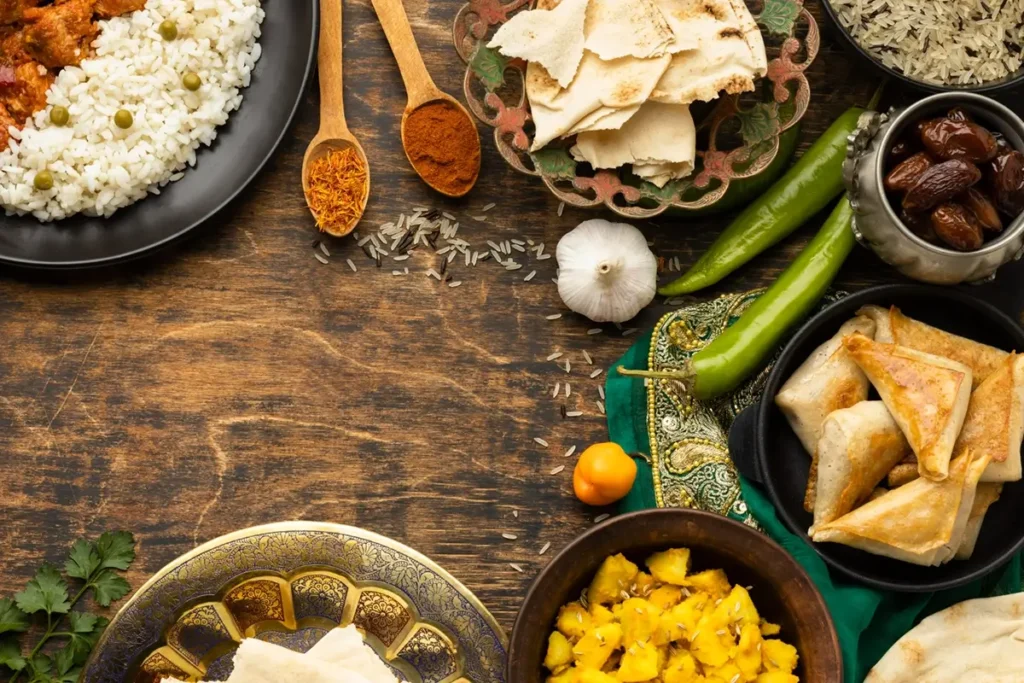
    In today’s digital age, the convenience of online supermarkets has made it easier than ever to access authentic Persian ingredients, no matter where you are. Whether you’re craving saffron, lavashak, or traditional spices, there are numerous online Persian grocery stores offering delivery services to your doorstep. Below is a list of 15 Persian supermarkets with their details, websites, and social media handles to help you get started.

    1. Persian Basket

    Website: persianbasket.com

    Instagram: @persian_basket

    Facebook: Persian Basket

    Description:

    Persian Basket is a popular online supermarket specializing in authentic Persian, Middle Eastern, and Iranian groceries. Their inventory includes fresh produce, dry goods, and prepared foods. Customers can enjoy the convenience of browsing and ordering traditional Persian ingredients like saffron, nuts, dried fruits, and more. Free ground shipping is available for orders above $60, excluding ready-to-eat meals.

    2. Kalamala

    Website: kalamala.com

    Instagram & Facebook: Not Mentioned

    Description:

    Kalamala is your go-to online destination for a wide selection of Persian, Kurdish, Armenian, Turkish, and Afghani delicacies. Based in Los Angeles, they offer flat-rate shipping of $7.99 within the US, allowing customers to conveniently order essentials such as rice, dried fruits, spices, and baked goods. Their easy-to-navigate website makes shopping for Middle Eastern groceries effortless.

    3. Super Iran

    Website: superiran.com

    Instagram: @superiran

    Description:

    Super Iran is a dedicated Persian supermarket catering to Persian cuisine lovers in Europe and the US. They provide everything from pistachios, rosewater, lavashak, saffron, and more. Known for their reliable shipping, they deliver high-quality Persian products straight from Iran.

    4. Shahriar Market

    Website: shahriarmarket.com

    Instagram: @shahriarmarket

    Description:

    Shahriar Market specializes in Persian ingredients like spices, dried herbs, pickles, and ready-made Persian stews. They also offer sweets like Persian nougat and gaz. Their efficient delivery ensures your items arrive fresh and on time.

    5. Pars Market

    Website: parsmarketcolumbia.com

    Facebook: Pars Market Columbia

    Description:

    Pars Market, located in Maryland, USA, serves both local and online customers with Persian, Middle Eastern, and Mediterranean groceries. They are celebrated for their high-quality saffron, dried herbs, nuts, and jams.

    6. Khayyam Persian Online Store

    Website: khayyamstore.com

    Instagram: @khayyamstore

    Description:

    Khayyam Store focuses on traditional Persian flavors. Their products include various pickles, dried fruits, herbal remedies, teas, and cooking ingredients. They also feature seasonal Persian sweets during events like Nowruz.

    7. Bazari Persian Grocery

    Website: bazarishop.com

    Instagram: @bazarishop

    Description:

    Bazari offers a one-stop shop for Persian and Mediterranean groceries, ranging from authentic dried limes and pomegranate molasses to Tahdig-making tools.

    Persian ingredients

    8. Iranian Grocery Online

    Website: iraniangroceryonline.com

    Instagram: @iranian_grocery_online

    Description:

    Iranian Grocery Online delivers unique Persian products worldwide. Their inventory includes essential pantry items, sweets, and specialty Iranian snacks like lavashak and sohan.

    9. Sadaf

    Website: sadaf.com

    Instagram: @sadaffoods

    Facebook: Sadaf Foods

    Description:

    Sadaf is an established Persian food brand known for their premium saffron, spices, pickles, and baking items. Their website features recipes and cooking inspiration alongside their products.

    10. Online Persian Store

    Website: onlinepersianstore.com

    Instagram: @onlinepersianstore

    Description:

    This online supermarket caters to Persian shoppers by offering a range of dried fruits, nuts, canned goods, and traditional oils. They are particularly recognized for providing halal-certified products.

    11. Mastanoo

    Website: mastanoo.com

    Instagram: @mastanoo_store

    Description:

    Mastanoo aims to keep traditional Persian recipes alive. Their focus is mainly on high-quality Persian saffron, barberries, and nuts sourced directly from Iran.

    12. Pardis Persian Store

    Website: pardispersianstore.com

    Instagram: @pardis_store

    Description:

    Pardis Persian Store offers extravagant Persian spices, teas, jams, and Iranian art pieces. They also sell Persian dinnerware sets!

    13. Tehran Market Online

    Website: tehranmarket.com

    Instagram: @tehranmarket

    Description:

    Tehran Market started as a physical store and now delivers online. Their signature offerings include kabob skewers, pickles, dried fruits, and essentials like Basmati rice.

    14. Hami Bazar

    Website: hamibazar.com

    Instagram: @hamibazar_store

    Description:

    Hami Bazar guarantees the freshest produce and dry goods directly delivered to your door. Their standout items include fresh vegetables, Persian spices, and teas.

    15. Chai Shirin

    Website: chaishirin.com

    Instagram: @chaishirin

    Description:

    The ultimate hub for Persian sweets and cookies! Chai Shirin specializes in Gaz, Sohan, and Persian teas, making it a beloved choice for dessert lovers.

    16. Balboa International Market


    website: balboamarket.com/

    instagram: balboamarketsandiego

    description:

    Balboa International Market is a trusted destination for high-quality food products at excellent value. They are an international specialty market that showcases a diverse selection of global and ethnic foods from around the world, alongside a variety of traditional and conventional groceries.

    Conclusion

    With so many options available, you can now fill your pantry with authentic Persian ingredients without leaving your home. Whether you’re preparing a traditional Nowruz meal or just indulging in nostalgic flavors, these online supermarkets cater to Persian and Middle Eastern cuisine enthusiasts worldwide.